
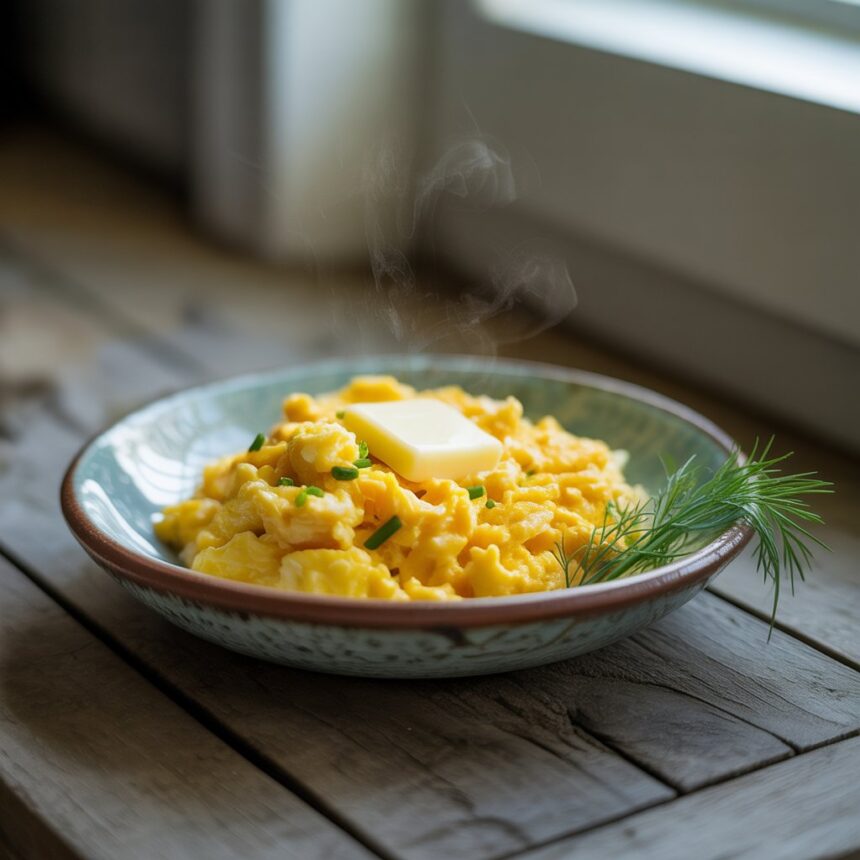
There’s something deceptively simple about scrambled eggs. At first glance, it’s just eggs whisked, cooked, and served—but anyone who’s ever ended up with rubbery curds or bland, watery results knows the truth: mastering the art of the perfect scrambled eggs is a culinary rite of passage. Whether you’re aiming for creamy, velvety folds or fluffy clouds kissed by butter, this classic breakfast staple holds infinite possibilities—if you know the secrets. In this article, we’ll crack open those secrets, guiding you step-by-step to achieve flawless scrambled eggs every single time, turning your morning routine into a gourmet experience. “`html
Mastering the Art of the Perfect Scrambled Eggs Every Time begins with making thoughtful choices about your eggs and the freshest supporting ingredients. Whether it’s the richness of free-range eggs or the crispness of handpicked herbs, these details set the foundation for a creamy, fluffy scramble that feels like a gourmet indulgence at breakfast or brunch.
Choosing the Ideal Eggs and Fresh Ingredients for Creamy Scramble
For the creamiest scramble, start by selecting the best eggs you can find—preferably free-range or organic eggs. Their yolks tend to be a deeper golden color and richer in flavor. Freshness plays a crucial role; the fresher, the better, since older eggs tend to produce less tender curds. Alongside your eggs, opt for fresh cream or whole milk to add silkiness, and consider incorporating delicately chopped chives, parsley, or even diced heirloom tomatoes to brighten the dish with natural freshness.
Techniques to Achieve Fluffy Texture and Consistent Cooking
Patience and technique are the secret weapons here. Use a gentle folding motion—avoid frantic stirring that breaks the curds into tiny bits. Begin by whisking the eggs thoroughly to introduce air, which boosts fluffiness. Cook low and slow over medium-low heat with gentle, consistent stirring to create tender curds. Remove the pan from heat just before the eggs fully set, as residual warmth finishes the cooking, preventing dryness.
Essential Tools and Temperature Tips for Perfect Control
Having the right tools significantly boosts your control. A non-stick skillet with a thick base evenly distributes heat and prevents scorching. Use a silicone spatula for delicate folding and scraping. A kitchen thermometer can help maintain steady cooking temperatures—ideally about 160°F (70°C)—to evade overcooking. Remember, owning a heat diffuser can be a game changer for stability on gas stoves.
Creative Flavor Enhancements to Elevate Your Scrambled Egg Experience
Transform your scramble by introducing layers of flavor. Try a pinch of smoked paprika, freshly cracked black pepper, or a dash of truffle oil for decadence. Incorporate finely grated aged cheese like Gruyère or Parmesan for nutty undertones. For herbaceous depth, fresh tarragon or dill works wonders. Lastly, a pat of herb-infused butter melted in the pan before adding eggs contributes a lush, aromatic base.
Prep and Cook Time
- Prep time: 5 minutes
- Cook time: 7 minutes
- Total time: 12 minutes
Yield
Serves 2 generously
Difficulty Level
Easy – Perfect for cooks of all skill levels
Ingredients
- 4 large free-range eggs, room temperature
- 2 tbsp whole milk or heavy cream
- 1 tbsp unsalted butter
- Salt, to taste
- Freshly ground black pepper, to taste
- 1 tbsp finely chopped fresh chives or parsley
- (Optional) 2 tbsp grated Gruyère or Parmesan cheese
- (Optional) Pinch of smoked paprika or truffle oil drizzle for finishing
Instructions
- Whisk the eggs: In a bowl, vigorously whisk the eggs with milk or cream until the mixture is homogenous and slightly frothy—this uniforms texture and incorporates air for fluffiness.
- Preheat your pan: Place a non-stick skillet over medium-low heat and melt butter gently, watching for it to foam but not brown. This creates a flavorful, non-stick base.
- Cook slowly: Pour the eggs into the pan. Allow the edges to set slightly without stirring for 15-20 seconds, then gently fold the eggs inward with a silicone spatula, working from the edges toward the center.
- Fold, don’t scramble aggressively: Continue to fold the eggs slowly every 15 seconds. This method helps create tender curds rather than tiny granules.
- Remove just before fully set: When the eggs look creamy and slightly underdone—that glossy, barely wet finish—remove from heat. They will continue cooking off the pan’s residual warmth.
- Season and add herbs: Season It seems your instructions got cut off at step 6. Here is a completion and suggestion to finish the recipe instructions smoothly:
- Season and add herbs: Season the eggs with salt and freshly ground black pepper to taste. Fold in the chopped fresh chives or parsley gently. If using, sprinkle in the grated cheese now, allowing it to melt slightly from the warmth of the eggs. For an extra touch of flavor, drizzle a bit of truffle oil or sprinkle smoked paprika just before serving.
If you’d like, I can help put this into a full finalized recipe or assist you with formatting or content improvements!
Q&A
Q&A: Mastering the Art of the Perfect Scrambled Eggs Every Time
Q: What makes scrambled eggs “perfect”?
A: Perfect scrambled eggs strike a balance between creamy softness and gentle fluffiness, with no rubbery or dry patches. They should be tender, luscious, and bright yellow—inviting you to dive right in.
Q: Is it better to use straight eggs or whisked eggs?
A: Always whisk your eggs before cooking! Whisking incorporates air, creating fluffier, lighter curds. It also ensures the yolks and whites are fully blended for consistent texture and rich color.
Q: What’s the secret to creamy scrambled eggs?
A: Low and slow is your mantra. Cook eggs over low heat, stirring gently but continuously to allow small, soft curds to form. Adding a splash of cream or milk can enhance creaminess, but don’t overdo it—you want silkiness, not soupy eggs.
Q: Should I add seasoning before or after cooking?
A: Salt can toughen eggs if added too early, so sprinkle it toward the end of cooking or right after plating. Pepper, herbs, or cheese can be added as you like, with some stirred in at the end to preserve their texture and flavor.
Q: What cookware is best for scrambled eggs?
A: Non-stick pans are ideal for even heat and easy release. A well-seasoned cast iron skillet is also a great choice if you prefer a little more control and flavor development. Avoid stainless steel unless you’re an expert—it can cause sticking.
Q: Can I customize my scrambled eggs without ruining their texture?
A: Absolutely! Add-ins like finely chopped herbs, sautéed mushrooms, or a sprinkle of cheese can elevate your eggs. Just fold them in gently near the end to maintain that velvety texture.
Q: How do I avoid overcooking scrambled eggs?
A: Remove the eggs from heat when they still look slightly underdone—they will continue to cook with residual heat. Overcooked eggs lose moisture and become rubbery, so timing is everything.
Q: Any tips for making scrambled eggs ahead of time?
A: Scrambled eggs taste best fresh, but if you must prep ahead, cook them just shy of done and cool quickly. Reheat gently on low heat with a splash of milk or cream to revive that creamy texture.
Q: What’s a simple trick to elevate flavor in scrambled eggs?
A: Try finishing with a small pat of cold butter stirred in last minute. It adds richness and a glossy finish that transforms humble eggs into something spectacular.
Q: Can scrambled eggs be healthy and indulgent at once?
A: Yes! Eggs are nutrient-packed, and by controlling the amount of butter or cream, you can keep dishes light. Adding veggies like spinach or tomatoes boosts vitamins, while a sprinkle of cheese offers satisfying indulgence without going overboard.
Mastering scrambled eggs is a blend of technique, patience, and a little love for your skillet. With these tips, you’re ready to turn breakfast into a gourmet experience—every single time.
In Summary
With these tips and techniques in your culinary toolkit, mastering the art of perfect scrambled eggs becomes less a kitchen gamble and more a guaranteed delight. Whether you prefer them soft and silky or cooked through with a slight fluff, the secret lies in understanding your eggs, your pan, and your patience. So crack those shells with confidence, whisk with intention, and watch as simple ingredients transform into a breakfast masterpiece every single time. Remember, the perfect scramble isn’t just a dish—it’s an invitation to savor the little moments that make cooking an art.