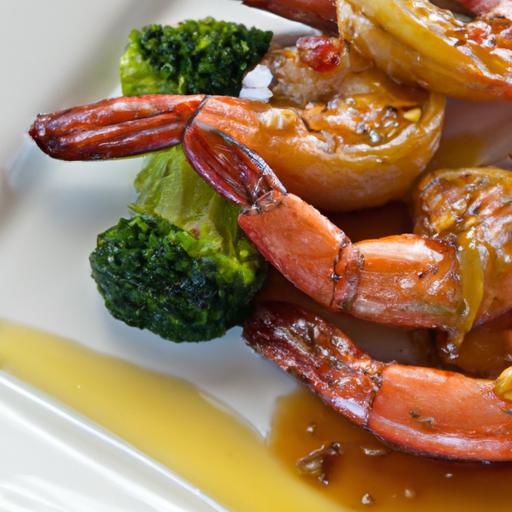

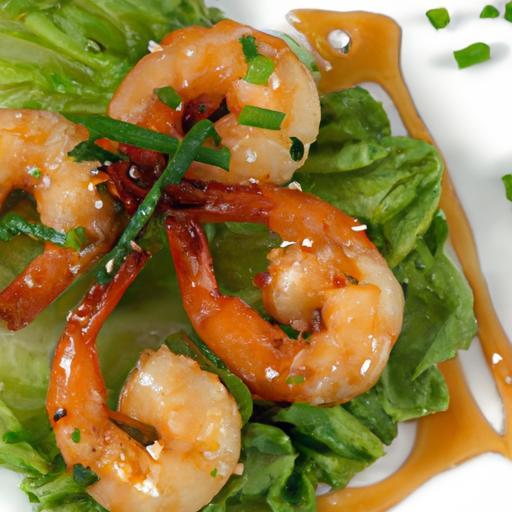
From the bustling streets of Shanghai to the tranquil coastal villages of Guangdong, shrimp has long held a cherished place in Chinese cuisine, weaving its delicate flavors into countless beloved dishes. Embarking on a flavorful culinary journey through China’s diverse shrimp specialties reveals not only the seafood’s exquisite taste but also the rich cultural heritage and artistry behind each recipe. whether stir-fried with fragrant garlic, simmered in savory broths, or crispy-fried to golden perfection, Chinese shrimp dishes offer a tantalizing blend of textures and aromas that captivate the palate. Join us as we dive deep into the essence of savoring Chinese shrimp-exploring traditional techniques, regional variations, and the stories that make every bite an unforgettable experience.
Savoring Chinese Shrimp Dishes: A Flavorful Culinary Journey
savoring Chinese shrimp dishes unlocks a realm rich with history, vibrant flavors, and culinary artistry that’s steeped in regional diversity. From the fiery spice of Sichuan’s chili shrimp to the delicate sweetness found in Cantonese steam preparations, each recipe tells a distinct story.My personal journey began in a bustling Shanghai market where fresh shrimp glistened under the neon lights – a humble beginning that blossomed into a lifelong passion for mastering these authentic flavors in my own kitchen.
prep and Cook Time
- Planning: 20 minutes
- cooking: 15 minutes
- Total Time: 35 minutes
Yield
Serves 4 generous portions
Difficulty Level
Medium – perfect for home cooks eager to explore Chinese culinary techniques with confidence.
Ingredients
- 500g fresh shrimp, peeled and deveined (tails on for presentation)
- 2 tablespoons vegetable oil (preferably peanut or canola oil)
- 3 cloves garlic, finely minced
- 1 tablespoon fresh ginger, julienned
- 2 fresh red chilies, sliced thinly (adjust for spice preference)
- 1 tablespoon Shaoxing wine (Chinese cooking wine)
- 1 tablespoon light soy sauce
- 1 teaspoon dark soy sauce (for color)
- 1 teaspoon sugar (balances the savory)
- 1/2 teaspoon white pepper
- 2 scallions, chopped (both white and green parts)
- 1 teaspoon sesame oil
- 1 teaspoon cornstarch mixed with 2 tablespoons water (optional, for thickening sauce)
- Fresh cilantro or Chinese parsley, for garnish
Instructions
- Prepare the shrimp: Rinse shrimp under cold water and pat dry with paper towels. Toss shrimp lightly with a pinch of salt and white pepper to start layering flavor.
- heat the oil: In a wok or large skillet, heat the vegetable oil over medium-high heat until shimmering but not smoking.
- Aromatics first: Add minced garlic, julienned ginger, and sliced chilies. Sauté for about 30 seconds to release their fragrance, stirring constantly to avoid burning.
- Cook shrimp: Add shrimp in a single layer. Sauté until they start turning pink and curl (about 2-3 minutes). Flip and cook the other side until just opaque but still tender. Avoid overcooking to keep shrimp juicy.
- Deglaze and season: Pour in Shaoxing wine and let it evaporate slightly. Add light soy sauce, dark soy sauce, and sugar. Stir well to coat shrimp evenly.
- Optional sauce: If a thicker glaze is preferred, add the cornstarch slurry now. Cook while stirring until sauce thickens, about 1 minute.
- Finish: Stir in chopped scallions and drizzle sesame oil for that nutty aroma. Toss gently to combine all flavors.
- Plate and garnish: Transfer shrimp to a serving dish and garnish with fresh cilantro or Chinese parsley for a radiant contrast.
Chef’s Notes & Tips for Success
- Freshness is key: Always choose fresh,firm shrimp for the best texture. Frozen shrimp can work but ensure they’re fully thawed and patted dry to prevent excess water diluting the sauce.
- Regional variations: experiment by substituting chilies with Sichuan peppercorns for a numbing kick, or try steaming with ginger and scallions for a Cantonese twist.
- Shaoxing wine substitute: Dry sherry or a mild dry white wine can be used if Shaoxing wine is unavailable,though authentic flavor is best with traditional rice wine.
- Make ahead: Prep the shrimp and aromatics in advance but cook just before serving to maintain freshness.
- Balancing heat: Adjust chili quantity to suit your spice tolerance; removing seeds reduces heat without losing flavor.
Serving suggestions
Serve this vibrant chinese shrimp dish with steamed jasmine rice or fragrant coconut rice to soak up the luscious sauce.For texture contrast, accompany with a crunchy stir-fried vegetable medley such as bok choy or snap peas tossed lightly in garlic. Garnish with extra scallions and a sprinkle of toasted sesame seeds to elevate presentation and flavor.
pair this dish with refreshing jasmine tea or a light, crisp white wine such as Riesling to complement the spices and sweetness. For an authentic dining experience, consider pairing it with classic dim sum plates or chilled Chinese beer for a casual feast.
| Nutrient | Per Serving |
|---|---|
| Calories | 210 kcal |
| Protein | 36 g |
| Carbohydrates | 5 g |
| Fat | 4 g |

Explore more seafood delights in our Chinese Seafood Recipes Collection and deepen your mastery of authentic Asian flavors. For detailed background on Chinese culinary traditions and ingredients, visit the China highlights Food Guide.
Q&A
Q&A: Savoring Chinese Shrimp Dishes – A Flavorful Culinary Journey
Q1: What makes Chinese shrimp dishes so unique and beloved worldwide?
A1: Chinese shrimp dishes are a delightful harmony of fresh ocean flavors and masterful seasoning. The uniqueness lies in the balance of textures-tender, juicy shrimp paired with crisp vegetables-and the use of aromatic ingredients like garlic, ginger, and scallions. Techniques such as stir-frying, steaming, and deep-frying enhance shrimp’s natural sweetness while infusing bold, savory notes. This intricate layering of taste and texture has made Chinese shrimp dishes a global favorite.
Q2: Which classic chinese shrimp dishes should every food lover try?
A2: A culinary journey through Chinese shrimp includes iconic dishes such as “Shrimp with Lobster Sauce,” known for its savory fermented black beans; “Salt and Pepper Shrimp,” offering a crispy, spicy crunch; and “Kung Pao Shrimp,” which delivers a perfect balance of sweet, sour, and spicy elements with peanuts and chili peppers.Don’t miss ”Shrimp Fried Rice,” a comforting staple, or “Cantonese Steamed Shrimp,” which highlights simple yet pristine flavors.
Q3: How do regional Chinese cuisines influence shrimp preparations?
A3: China’s vast geography means regional flavors shine through shrimp dishes. In Sichuan cuisine, shrimp is frequently enough prepared with bold, numbing spices and chili oil, creating a fiery and tantalizing experience. Cantonese cuisine emphasizes fresh, light seasoning and quick cooking to preserve shrimp’s delicate flavor. Meanwhile, in Shanghai, shrimp might be braised in a sweet soy glaze, showcasing the region’s preference for subtle sweetness. Each regional style offers a unique window into China’s culinary diversity.
Q4: What are some tips for cooking shrimp in authentic Chinese style at home?
A4: Start with fresh, high-quality shrimp and ensure they are deveined for smooth texture. Use a hot wok to achieve the signature “wok hei” or ‘breath of the wok’-a smoky, savory essence.marinate shrimp briefly in Shaoxing wine or soy sauce for depth.Keep cooking times short to preserve shrimp’s tenderness. Incorporate classic aromatics-garlic,ginger,scallions-and finish with a dash of sesame oil or a sprinkle of toasted nuts to elevate the dish.
Q5: Can shrimp dishes be paired with traditional Chinese beverages?
A5: Absolutely! light and fragrant teas like jasmine or oolong complement shrimp’s natural sweetness and cleanse the palate. for an alcoholic pairing, a chilled bottle of Chinese rice wine (Shaoxing wine) or a crisp lager balances the spice and richness in manny shrimp dishes. These pairings not only enhance flavors but also enrich the cultural dining experience.
Q6: Why are shrimp dishes an essential part of Chinese celebrations and festivals?
A6: In Chinese culture, shrimp symbolize happiness and good fortune due to the vibrant color and joyful “jumping” movement during cooking. Shrimp dishes often grace festival tables-especially Lunar New Year-for their auspicious meanings. Sharing these flavorful delights brings families together, embodying prosperity and joyful bonds, making shrimp an integral festive culinary treasure.
Q7: How has modern Chinese cuisine evolved in its approach to shrimp?
A7: Contemporary Chinese chefs creatively blend tradition with innovation by incorporating fusion flavors, using sustainable seafood practices, and adapting classic shrimp recipes for modern palates. Techniques like sous-vide cooking or molecular gastronomy are occasionally integrated, providing new textures and presentation styles, while still honoring the robust heritage of chinese shrimp dishes.
Embark on this flavorful culinary journey and let each bite of these exquisite shrimp creations transport you to the heart of Chinese gastronomy-where every dish tells a story of tradition, innovation, and the joy of savoring life.
To Wrap It Up
As we conclude our flavorful journey through the vibrant world of Chinese shrimp dishes, it’s clear that these delicate morsels offer far more than just a meal-they tell stories of tradition, innovation, and the artful balance of texture and taste. Whether marinated in aromatic spices, stir-fried to perfection, or gently steamed to showcase their natural sweetness, chinese shrimp recipes invite us to savor each bite as a festivity of culinary heritage. So the next time you encounter shrimp shimmering under a glossy sauce or nestled in a fragrant broth, take a moment to appreciate the rich tapestry of flavors and history that make every dish a truly unforgettable experience.