
Stepping into the world of Thai cuisine is like embarking on a vibrant journey through a tapestry of flavors-spicy,sweet,sour,and salty all dancing harmoniously on the palate. From bustling street markets to refined dining tables, thailand offers a culinary experience that is as diverse as its rich culture. In this guide, “Taste Thailand: A Guide to Common and Classic Thai Dishes,” we will explore the iconic meals that have captured the hearts and appetites of food lovers worldwide. Whether you’re a curious newcomer or a seasoned foodie, get ready to discover the stories behind the dishes, the key ingredients that define them, and tips to savor Thailand’s beloved flavors in every bite.
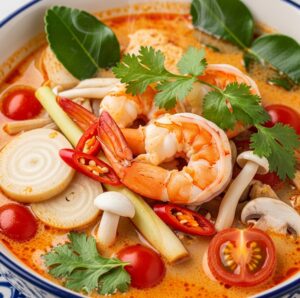
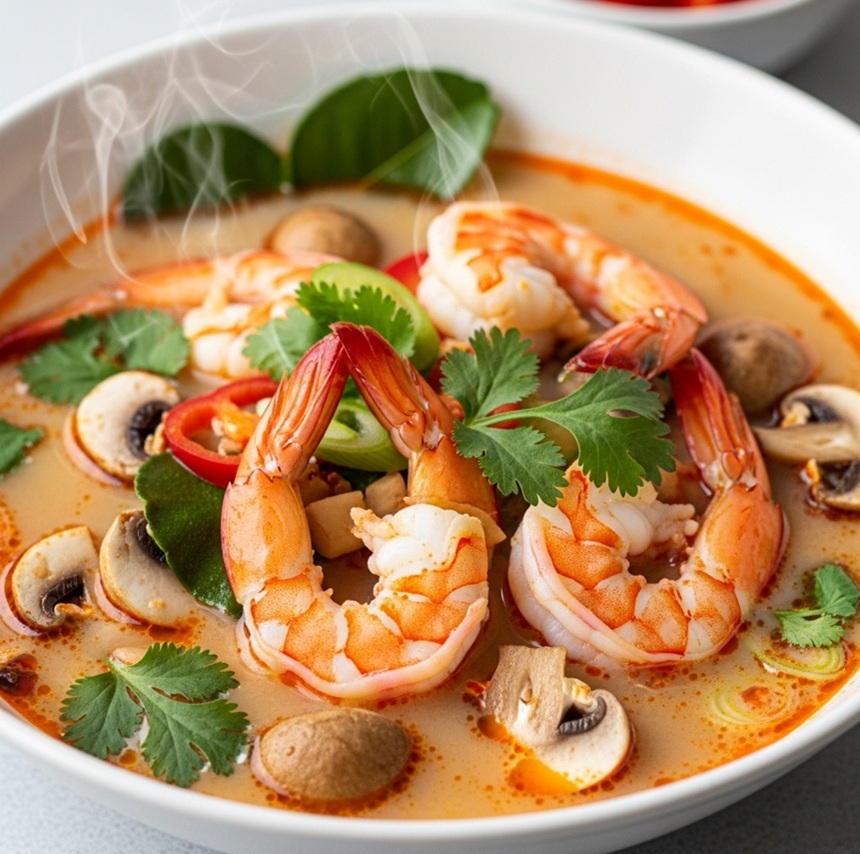
Taste Thailand: A Guide to Common and Classic Thai Dishes invites you on a sensory journey through the vibrant tapestry of Thai flavors, textures, and aromas. Thai cuisine masterfully balances sweet, sour, salty, bitter, and spicy notes, creating dishes that captivate both the palate and the soul. One iconic dish that embodies this harmony is Tom Yum Goong, a fragrant and fiery shrimp soup that’s a beloved emblem of Thailand’s culinary heritage.
Prep and Cook Time
- Planning: 15 minutes
- Cooking: 20 minutes
Yield
- Serves 4 generous portions
difficulty Level
- Medium – suitable for adventurous home cooks comfortable with balancing bold flavors
Ingredients
- 6 cups water or light chicken broth
- 1 stalk lemongrass, trimmed and smashed
- 3 kaffir lime leaves, torn
- 4 slices galangal, about 1/4 inch thick
- 4-6 Thai bird’s eye chilies, crushed (adjust to taste)
- 300g (10 oz) fresh shrimp, peeled and deveined
- 200g (7 oz) straw mushrooms or button mushrooms, halved
- 2 tbsp fish sauce
- 1-2 tbsp fresh lime juice (to taste)
- 1 tsp palm sugar or brown sugar
- 1 medium tomato, quartered
- Fresh coriander leaves for garnish
Instructions
- Make the broth: In a large pot, bring water or broth to a gentle simmer. Add the smashed lemongrass,torn kaffir lime leaves,galangal slices,and crushed chilies. Let it infuse over medium heat for 10-15 minutes until fragrant but not boiling vigorously.
- Add mushrooms and tomato: Toss in the mushrooms and quartered tomato.Continue simmering for another 5 minutes, allowing the vegetables to soften and release thier flavors.
- Cook the shrimp: Add the prepared shrimp to the simmering broth.Cook until they turn pink and opaque,approximately 2-3 minutes. Avoid overcooking to maintain their tenderness.
- season the soup: Stir in fish sauce, palm sugar, and most of the lime juice. Taste and adjust seasoning for the perfect balance-bright, spicy, and savory.
- Final touch: Remove from heat. Discard the lemongrass, galangal, and lime leaves for a smooth broth. Ladle the soup into bowls and garnish generously with fresh coriander leaves and extra lime wedges for squeezing at the table.
Chef’s Tips for Success
- Use fresh ingredients like lemongrass and kaffir lime leaves for authentic depth-dried versions will alter the flavor significantly.
- Adjust the number of chilies to your heat preference; start mild and add more if you love spice.
- For a creamier variation, stir in 1/2 cup of coconut milk after cooking shrimp, adding richness and mellowing heat.
- Make the broth base ahead and refrigerate for a day-the flavors deepen, making the soup even more intoxicating the next day.
- if fresh shrimp isn’t available,frozen peeled shrimp work fine; just thaw carefully and don’t overcook.
Serving Suggestions
savor this soup piping hot, accompanied by fragrant jasmine rice that soaks up the luscious broth. complement your meal with a crisp green papaya salad (Som Tum) or a refreshing Mango Sticky Rice dessert. Presentation is key: serve in shallow bowls, garnished with sliced fresh chili and lime wedges for added colour and zing.
| Nutrient | Per serving |
|---|---|
| Calories | 180 |
| Protein | 22g |
| Carbohydrates | 8g |
| Fat | 4g |
Dive deeper into authentic Thai cooking techniques to elevate your culinary skills. For in-depth knowledge about customary Thai ingredients and culinary culture,visit Tourism authority of Thailand.

Q&A
Q&A: Taste Thailand – A Guide to Common and Classic Thai Dishes
Q1: What makes Thai cuisine so unique and beloved worldwide?
A1: Thai cuisine is a vibrant mosaic of flavors, artfully balancing sweet, sour, salty, bitter, and spicy in every bite. This harmony of contrasting tastes, combined with fresh herbs and bold spices, creates dishes that are as complex as they are comforting. The use of ingredients like lemongrass,galangal,kaffir lime leaves,and chili peppers ensure each mouthful is an exotic journey.
Q2: What are some must-try classic Thai dishes for first-timers?
A2: To truly experience Thailand on a plate, start with these iconic dishes:
- Pad Thai: Stir-fried rice noodles with tamarind, shrimp or chicken, peanuts, and bean sprouts-a symphony of sweet, salty, and tangy.
- Tom Yum Goong: A hot and sour shrimp soup that packs a fragrant punch with lemongrass, lime, and chili.
- Green Curry (Gaeng Keow Wan): Creamy coconut milk curry with green chilies, fresh basil, and tender meat or tofu.
- Som Tum: A spicy green papaya salad, balancing heat with crunchy freshness.
Q3: How spicy is Thai food, and can it be adjusted?
A3: Thai cuisine is famously spicy, but the heat level is flexible. Many restaurants tailor spice levels to your preference-from mild to scorchingly hot. Don’t be shy to communicate your tolerance, as the chili kick enhances flavors but shouldn’t overpower them.
Q4: Are there vegetarian or vegan Thai dishes?
A4: absolutely! Thai cuisine offers plenty of plant-based options. Dishes like pad Pak Ruam Mit (mixed stir-fried vegetables), Vegetarian Pad Thai, and Tom Kha Hed (coconut mushroom soup) are delicious and very satisfying. Just ask to leave out fish sauce or shrimp paste, which are common in many recipes.
Q5: What role do herbs and spices play in Thai cooking?
A5: Herbs and spices are the heartbeats of Thai dishes.Ingredients such as fresh cilantro, thai basil, mint, galangal, and kaffir lime leaves don’t just add flavor-they add layers of aroma and texture that transform simple staples into culinary masterpieces. Each herb brings its own personality,weaving complexity into every bite.
Q6: Where can I experience authentic Thai food outside of Thailand?
A6: Authentic Thai food thrives in dedicated Thai restaurants worldwide, often run by chefs with roots in Thailand. for a true taste,look for places that prepare food fresh,use traditional ingredients,and offer dishes beyond the typical “tourist menu.” Farmers’ markets and street food festivals also occasionally feature vibrant Thai stalls,perfect for sampling street-style favorites.Q7: How should I pair drinks with Thai food?
A7: Pairing drinks with Thai cuisine is an adventure itself. The spiciness calls for beverages that soothe and refresh-think chilled Thai iced tea with its creamy sweetness, crisp lager, or aromatic jasmine tea. For wines,opt for off-dry Rieslings or Gewürztraminers,which complement the sweet and spicy balance beautifully.
Q8: What cultural experience does Thai food offer beyond just taste?
A8: Eating Thai food is stepping into a world rich with cultural stories-the communal style of dining encourages sharing and connection, reflecting Thailand’s values of togetherness. Each dish carries centuries-old traditions, regional influences, and a passionate party of harmony, both in food and life.
Exploring Thai cuisine opens a door not only to tantalizing tastes but also to the heart of Thai culture itself. So grab your chopsticks, prepare your palate, and get ready to embark on an unforgettable culinary voyage. Sawatdee khrap/ka!
To Wrap It Up
from the fiery depths of a classic Tom Yum soup to the sweet embrace of mango sticky rice, Thailand’s culinary landscape offers a vibrant tapestry of flavors that dance on the palate and tell stories of culture, history, and tradition. Whether you’re a curious foodie or a seasoned traveler, tasting these iconic dishes is more than just a meal-it’s an invitation to experience the heart of Thailand itself. So next time you find yourself craving something bold, aromatic, and utterly unforgettable, remember: the journey to Thailand’s soul begins with a single bite. Happy eating, and sawatdee krap/ka!