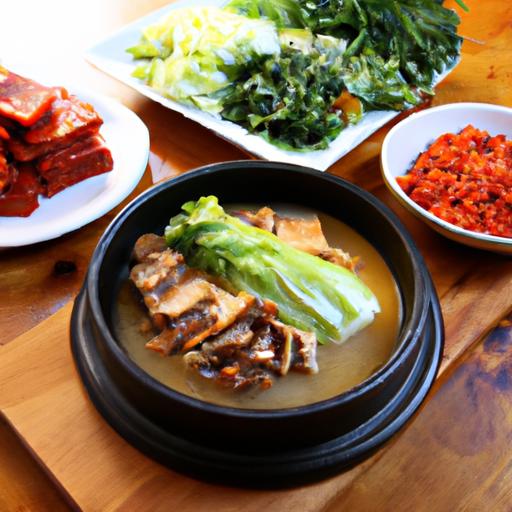

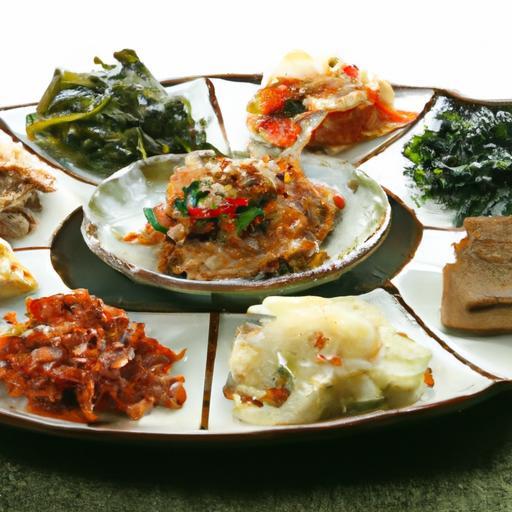
Step into a world where every bite tells a story-welcome too the vibrant realm of authentic korean cuisine. From the fiery depths of kimchi to the savory embrace of bulgogi,Korean recipes offer a symphony of flavors that captivate the senses and nourish the soul. In this article, we’ll embark on a culinary journey to uncover customary dishes crafted with passion and heritage, inviting you to savor the rich tapestry of tastes that define Korea’s beloved food culture. Whether you’re a seasoned foodie or a curious newcomer, prepare to discover recipes that bring the heart of Korea straight to your kitchen table.
Mastering the Art of Kimchi and Beyond with Step-by-Step Techniques
Discover Authentic Korean Recipes: Flavors to Savor Today starts with embracing the vibrant and transformative process of making kimchi, the heart and soul of Korean cuisine.This traditional fermented side dish has warmed my family’s table for years and carries the perfect balance of spicy, tangy, and umami-packed flavors that awaken every meal. Whether you’re a seasoned cook or new to Korean flavors, mastering kimchi opens the door to countless other recipes and authentic dishes rich in culture and taste.
Prep and Cook time
- Planning: 40 minutes (active), plus 24-48 hours fermentation
- Cook time: None (fermentation-based)
Yield
- Approximately 2 quarts of kimchi (serves 6 as a side)
Difficulty Level
- Medium – Requires patience and attention to fermentation
Ingredients
- 1 large Napa cabbage (about 2-3 lbs), quartered and soaked
- 1/2 cup sea salt (for salting the cabbage)
- 4 cups water (for brining)
- 1 tablespoon glutinous rice flour
- 1 cup Korean red pepper flakes (gochugaru) – adjust for spice preferences
- 1/4 cup fish sauce (or soy sauce for vegetarian option)
- 1 tablespoon sugar
- 6 cloves garlic, minced
- 1-inch piece fresh ginger, minced
- 2 scallions, chopped
- 1 small carrot, julienned
- 1 Korean radish (mu), cut into matchsticks
Instructions
- Prepare the cabbage: Rinse and quarter the Napa cabbage. Dissolve 1/2 cup sea salt in 4 cups water and submerge the cabbage in this brine. Leave it for 2 hours, turning every 30 minutes to ensure even salting. This process wilts the leaves and draws out moisture essential for fermentation.
- Rinse and drain: Once salted, rinse the cabbage thoroughly under cold water to remove excess salt. Drain well and set aside.
- Make the rice paste: In a small pot, whisk 1 tablespoon glutinous rice flour with 1 cup water. Cook over medium heat, stirring until it thickens (about 3-4 minutes). Remove from heat and cool.
- prepare kimchi paste: In a large bowl,combine the cooled rice paste,1 cup Korean red pepper flakes,1/4 cup fish sauce,1 tablespoon sugar,minced garlic and ginger. Mix until uniform, creating a vibrant red, aromatic paste.
- Add vegetables: Stir in the chopped scallions, julienned carrot, and radish into the pepper paste thoroughly.
- Coat the cabbage: Wearing gloves, carefully spread the kimchi paste between each leaf of the cabbage quarters, ensuring full coverage for depth of flavor and proper fermentation.
- Pack and ferment: Place the coated cabbage into a clean, airtight container or jar. Press down firmly to remove air pockets. Leave at room temperature for 24-48 hours depending on the ambient temperature and desired fermentation level, then refrigerate. The flavor will develop over time-allow at least 1 week to enjoy fully matured kimchi.
Tips for Success
- Use gloves when handling gochugaru paste to prevent irritation and staining.
- Adjust the amount of red pepper flakes for milder or spicier kimchi depending on your palate.
- Use a fermenting weight or a smaller jar lid inside your container to keep cabbage submerged in its own juices, reducing mold risks.
- Incorporate seafood alternatives like dried shrimp or anchovy paste for deeper umami if fish sauce isn’t preferred.
- Kimchi improves with age; if unsure, taste it every day during fermentation to find your preferred tang.
Serving Suggestions
- Serve chilled as a vibrant banchan (side dish) alongside Korean BBQ or steaming bowls of soup.
- Incorporate small amounts into fried rice, pancakes (jeon), or stews for an instant flavor boost.
- Top with toasted sesame seeds and scallion ribbons for an appealing, colorful presentation.
- Enjoy wrapped in fresh lettuce leaves with grilled meats, enhancing texture and flavor balance.

| Nutrient | Per Serving (approx.) |
|---|---|
| Calories | 35 kcal |
| protein | 2 g |
| Carbohydrates | 6 g |
| fat | 0.5 g |
Once you’ve mastered kimchi, you can explore deeply comforting Korean soups like Doenjang Jjigae (soybean paste stew), a soulful dish paired perfectly with the crisp, fermented bite of kimchi. For further reading on the rich history of kimchi, visit National Geographic’s feature on kimchi.
Q&A
Q&A: Discover Authentic Korean Recipes – Flavors to Savor Today
Q1: What makes Korean cuisine unique compared to other Asian cuisines?
A1: Korean cuisine is a vibrant tapestry of bold flavors,combining spicy,sweet,sour,and savory elements in a harmonious dance. What sets it apart is its emphasis on fermentation, the use of staple ingredients like gochujang (red chili paste), kimchi, and sesame oil, and the cultural practice of serving multiple small side dishes called banchan alongside the main meal. this creates a dynamic eating experience that’s both healthy and deeply satisfying.
Q2: What are some must-try authentic Korean dishes for beginners?
A2: for those new to Korean food, start with classics like Bibimbap-a colorful bowl of rice topped with seasoned vegetables, beef, a fried egg, and spicy gochujang sauce. Another favorite is Bulgogi, thinly sliced marinated beef grilled to perfection. Don’t miss Kimchi Jjigae, a hearty stew featuring kimchi and pork or tofu, perfect for those cold nights craving comfort food.
Q3: How crucial is fermentation in Korean cooking?
A3: fermentation is a cornerstone of Korean cuisine, lending dishes their distinct depth and complexity.Fermented foods like kimchi, doenjang (soybean paste), and ganjang (soy sauce) don’t just add flavor-they also promote gut health and longevity. The process transforms simple ingredients into powerful flavor bombs that define much of Korea’s culinary identity.
Q4: Can authentic Korean recipes be adapted for home cooks outside Korea?
A4: Absolutely! While some traditional ingredients may be harder to find, many Korean markets around the world stock items like gochujang and dried seaweed.Fresh vegetables and meats are readily available everywhere, making it possible to prepare genuine flavors with a little creativity.Plus,online resources and pre-made pastes make cooking Korean dishes more accessible than ever.
Q5: What tips do you recommend for someone looking to master Korean flavors at home?
A5: Start with quality ingredients-fresh vegetables,good-quality garlic,and authentic fermented products. don’t rush the processes,especially when it comes to marinating or simmering stews. Embrace the balance of flavors: sweet, salty, spicy, and umami. And most importantly, remember that Korean meals are about sharing and enjoying food together, so invite friends or family to savor your creations.
Q6: How do Korean meals reflect the culture and beliefs of Korea?
A6: Korean meals embody the philosophy of balance, respect, and harmony. The variety of banchan represents a respect for nature’s bounty and seasonality, while sharing food reflects the value Koreans place on community and connection. The emphasis on fermentation mirrors a belief in patience and conversion, symbolizing resilience and tradition passed down through generations.
Dive into these authentic Korean recipes and let your taste buds embark on a flavorful journey that’s both steeped in history and bursting with modern zest!
Key Takeaways
As you embark on your culinary journey through these authentic Korean recipes, let each bite tell a story – one steeped in tradition, vibrant flavors, and heartfelt heritage. Whether you’re savoring the fiery kick of kimchi or the comforting embrace of bibimbap, you’re not just enjoying a meal; you’re connecting with a culture rich in history and passion. So gather your ingredients, fire up your stove, and dive into the bold tastes of Korea. Your palate will thank you, and your kitchen will soon become a gateway to a world of unforgettable flavors. Happy cooking, and more importantly, happy savoring!