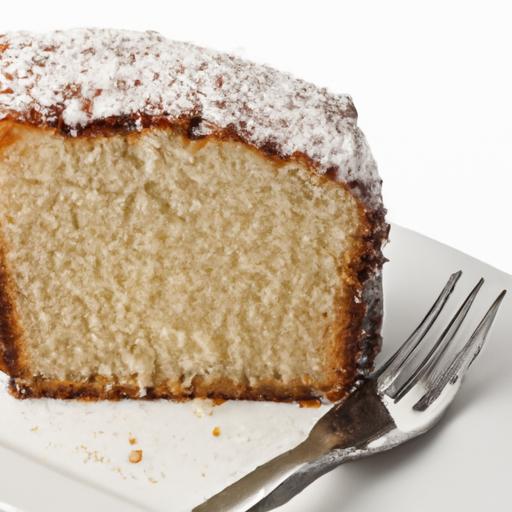

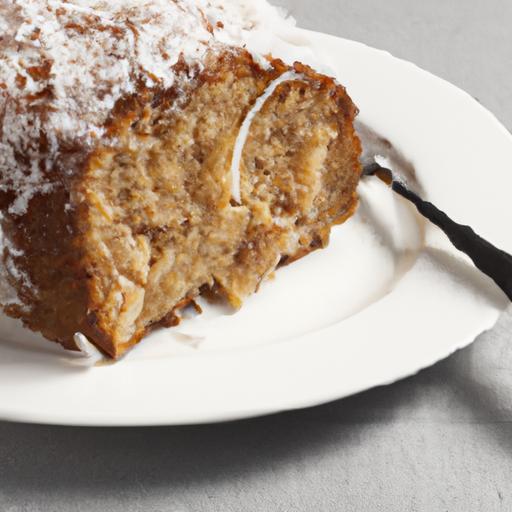
In the world of baking, finding a treat that’s both satisfyingly appetizing and wonderfully light can feel like a quest for the holy grail. Enter coconut flour-a versatile, nutrient-rich ingredient that’s transforming the way we think about cakes. With it’s subtle sweetness and delicate texture, coconut flour offers a unique foundation for creating cakes that won’t weigh you down, yet promise every bite is as moist and flavorful as the classic versions we love. Whether you’re gluten-free, health-conscious, or simply curious about new baking horizons, mastering the art of the perfect coconut flour cake opens up a realm of delightful possibilities. Join us as we explore the secrets and techniques behind crafting this light, luscious dessert that’s as nourishing as it is delicious.
Deliciously Light: How to make the Perfect Coconut Flour Cake begins with selecting the ideal coconut flour to achieve that heavenly texture we all crave. Not all coconut flours are created equal – from finely ground to slightly coarser textures, choosing the right one deeply influences your cake’s crumb and moisture retention.
Choosing the Right Coconut Flour for Ultimate Texture
When shopping for coconut flour, look for a finely sifted, ultra-fine variety that promises a light, fluffy crumb rather than a dense, crumbly bite. Organic, non-GMO coconut flour ofen carries the freshest and most natural flavor. avoid heavily processed brands, as coarser flours can result in a heavier cake that lacks the delightful airiness you desire. The absorbency of coconut flour is much higher than other flours, so a finely milled version helps maintain balance.
Mastering Moisture Balance to Keep Your Cake Light and Fluffy
the key challenge with coconut flour is its remarkable thirst; it soaks up liquid quickly, which can lead to dry, heavy cakes if not handled properly.This is where mastering moisture balance comes in. I recommend combining ample eggs and natural liquids like coconut milk or almond milk with mild oil or melted butter to enhance fat content.These ingredients harmonize to create a tender crumb while safeguarding moistness. Incorporating a dollop of Greek yogurt or unsweetened applesauce adds extra hydration without watering down the flavor.
Incorporating Natural Sweeteners for Enhanced Flavor and Health
Natural sweeteners such as pure honey, maple syrup, or coconut sugar not only elevate sweetness but also contribute depth and complexity to the cake’s flavor profile. Unlike refined sugar, these alternatives infuse subtle notes-caramel tones from coconut sugar or floral hints from honey-that meld beautifully with coconut flour’s mild nuttiness. Using natural sweeteners also boosts the health benefits by providing antioxidants and minerals, appealing to health-conscious bakers longing for indulgence without guilt.
expert Tips for Baking and Storage to Preserve Freshness
Oven temperature and baking time play starring roles in achieving the perfect coconut flour cake. Bake at a moderate 325°F (160°C) for around 30-35 minutes, monitoring doneness with a toothpick to avoid overbaking.Let your cake cool wholly in the pan for 10-15 minutes, then transfer to a wire rack; this prevents sogginess and keeps the exterior tender. To store, wrap tightly in plastic wrap or an airtight container at room temperature for up to 3 days, or refrigerate for up to a week. For longer preservation, freeze individual slices wrapped in parchment, then sealed in a freezer bag.
Prep and Cook Time
- Prep Time: 20 minutes
- Cook Time: 35 minutes
- Total Time: 55 minutes
Yield
Serves 8 generous slices
Difficulty Level
Medium – perfect for home bakers eager to master gluten-free baking
Ingredients
- 1/2 cup finely sifted coconut flour
- 6 large eggs, room temperature
- 1/2 cup organic coconut sugar
- 1/4 cup virgin coconut oil, melted
- 1/2 cup full-fat coconut milk, well shaken
- 1 teaspoon pure vanilla extract
- 1/2 teaspoon baking soda
- 1/4 teaspoon sea salt
- 2 tablespoons raw honey (optional, for extra natural sweetness)
Instructions
- Preheat your oven to 325°F (160°C). Grease an 8-inch round cake pan and line the bottom with parchment paper for easy removal.
- In a large bowl, whisk together the eggs and coconut sugar until frothy and pale, about 3 minutes with a hand mixer.
- Add the melted coconut oil, coconut milk, vanilla extract, and raw honey, continuing to whisk until fully combined and smooth.
- In a separate bowl, sift the coconut flour, baking soda, and salt to remove lumps and evenly distribute the leavening.
- Gradually fold the dry ingredients into the wet mixture using a spatula. Be gentle and ensure no dry pockets remain. The batter will thicken quickly-this is normal.
- Pour the batter into the prepared cake pan,smoothing the top with a spatula.
- Bake for 30 to 35 minutes or until a toothpick inserted in the center comes out clean. Begin checking at 30 minutes to avoid overbaking.
- Remove from oven and cool in the pan for 10-15 minutes,then transfer to a wire rack to cool completely.
- Once fully cooled, frost or serve as desired.
Tips for Success
- Always use freshly sifted coconut flour to prevent lumps and uneven texture.
- Eggs are the ultimate binder here-do not substitute with flax or chia without adjusting moisture ratios dramatically.
- If batter seems too thick, add 1-2 tablespoons extra coconut milk; if too thin, sprinkle in a little more coconut flour cautiously.
- Allow the cake to cool thoroughly before slicing to maintain structural integrity.
- Consider layering with fresh whipped coconut cream or a light lemon glaze for a refreshing contrast.
Serving Suggestions
Present your coconut flour cake on a rustic wooden board garnished with toasted coconut flakes and a scattering of fresh berries-think blueberries, raspberries, or sliced strawberries. A sprig of fresh mint adds a pop of vibrancy. For a decadent touch, drizzle with homemade passionfruit coulis or a dusting of powdered coconut sugar. Pair with a warm cup of chai latte or delicate green tea to complete your light yet indulgent experience.
| Nutrition per Slice | Calories | Protein | Carbs | fat |
|---|---|---|---|---|
| 1 Slice (1/8 cake) | 250 | 7g | 18g | 16g |
Learn more about the benefits of coconut flour to boost your baking confidence and nutritional knowledge.
Explore our Gluten-Free Desserts Collection for more recipes that celebrate wholesome, delicious alternatives.

Q&A
Q&A: Deliciously Light – How to Make the Perfect Coconut Flour Cake
Q1: Why choose coconut flour for cake baking?
A1: Coconut flour is a fantastic gluten-free alternative that’s naturally rich in fiber and healthy fats. It lends a subtle, tropical sweetness and a delicate crumb to cakes, delivering a moist texture without the heaviness of traditional flours. Plus,it’s perfect for those seeking grain-free or low-carb treats.
Q2: What makes baking with coconut flour different from regular flour?
A2: Unlike wheat flour, coconut flour is highly absorbent. It soaks up more liquid, meaning you need to use less flour and add extra eggs or moisture to keep your cake tender and light. Think of it as a sponge that demands balance-a little more liquid, a little more love.
Q3: How do I prevent my coconut flour cake from drying out?
A3: Hydration is key! Coconut flour cakes thrive on moist ingredients like yogurt, mashed bananas, or applesauce. Incorporating enough eggs also helps bind the cake while adding richness. don’t skimp on the liquids, and avoid overbaking by checking for doneness early.
Q4: Can I use regular sugar in a coconut flour cake?
A4: Absolutely! You can sweeten your cake with regular sugar, coconut sugar, honey, or even maple syrup. Each adds its own character-coconut sugar, as a notable example, enhances the tropical notes, while honey or maple syrup introduce a gentle, floral sweetness.Just adjust the wet ingredients as some sweeteners add extra moisture.
Q5: What’s the secret to achieving a fluffy texture?
A5: Eggs play a starring role here. they’re the lift and structure behind a fluffy coconut flour cake. Make sure to whisk them well, sometimes even separately whipping the whites before folding them in to create extra airiness. Also, gently folding your batter instead of overmixing keeps it light and tender.
Q6: Are there flavor pairings that complement coconut flour cake?
A6: Coconut flour’s mild coconutty essence pairs beautifully with tropical fruits like pineapple and mango,warm spices such as cinnamon and nutmeg,and rich extras like dark chocolate or toasted nuts. A tangy cream cheese frosting or a drizzle of passionfruit glaze can elevate your creation to paradise-level indulgence.
Q7: Can I make a coconut flour cake vegan?
A7: Yes-though it requires some creative swaps. Use flax or chia “eggs” (a mix of seeds and water) to replace eggs, and substitute dairy with almond milk or coconut yogurt for moisture. Vegan coconut flour cakes may be denser, but with the right balance of ingredients, they’re deliciously satisfying.Q8: Tips for beginners wanting to try coconut flour cake?
A8: Start simple! Follow a trusted recipe designed for coconut flour, measure carefully, and don’t rush the batter mixing or baking time. Remember, coconut flour behaves uniquely-patience and practice yield the perfect slice of airy, tropical bliss.
Embark on your baking adventure with coconut flour-the lighter, tastier canvas for your cake creativity awaits!
To Wrap It Up
Baking the perfect coconut flour cake is more than just following a recipe-it’s about embracing the delicate balance between flavor and lightness. With its subtle sweetness and airy texture,this cake proves that indulgence doesn’t have to weigh you down. Whether you’re catering to dietary needs or simply craving a fresh twist on a classic dessert, mastering coconut flour cake opens the door to a world of deliciously light possibilities.So, armed with your newfound knowledge and creativity, it’s time to whisk, bake, and savor every fluffy, coconut-kissed bite. Your perfect slice awaits-ready to delight and inspire your next baking adventure.