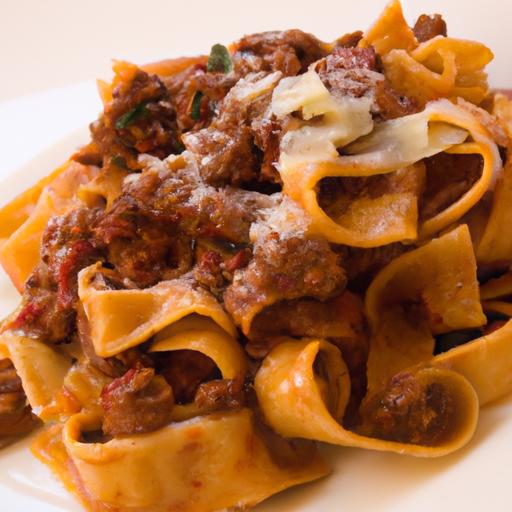

There’s a certain magic in the marriage of hand-crafted pasta and a deeply flavorful sauce-a culinary dance that transports the senses to a rustic countryside kitchen. Enter pappardelle with wild boar ragu: a dish that captures the essence of tradition, earthiness, and slow-simmered devotion. This hearty Italian classic invites you to savor wide ribbons of fresh pasta drenched in a rich, aromatic ragu made from tender wild boar, herbs, and red wine. Beyond just a meal, it’s an experience that tells a story of bold flavors, ancient recipes, and the joy of rustic indulgence. Join us as we uncover the origins, ingredients, and step-by-step artistry behind this unforgettable Italian delight.
Savoring pappardelle with rustic wild boar ragu delight is a culinary journey that immerses you in the heart of Italian tradition. This dish, rooted in the time-honored recipes of tuscany, captures the essence of rich, slow-cooked flavors paired with the delicate, broad ribbons of handmade pappardelle. The gamey yet tender profile of wild boar melds beautifully with a mélange of fresh herbs and velvety tomatoes, delivering an elegant yet unpretentious feast for the senses.
Prep and Cook Time
- Preparation: 30 minutes
- Cooking: 3 hours 15 minutes (includes slow simmering the ragu)
Yield
Serves 6 hearty portions
Difficulty Level
Medium – involves homemade pasta making and slow-cooking techniques
Ingredients
- For the Wild Boar Ragu:
- 2 lbs wild boar shoulder,trimmed and cut into 1-inch cubes
- 3 tbsp extra virgin olive oil
- 1 large onion,finely chopped
- 2 carrots,diced
- 2 celery stalks,diced
- 4 cloves garlic,minced
- 1 cup dry red wine (such as Chianti)
- 1 (28 oz) can san Marzano tomatoes,crushed
- 1 tbsp tomato paste
- 2 sprigs fresh rosemary
- 2 sprigs fresh thyme
- 2 bay leaves
- salt and freshly ground black pepper,to taste
- 1 cup beef or game stock
- 1 tsp crushed red pepper flakes (optional)
- Fresh flat-leaf parsley,chopped (for garnish)
- For the Pappardelle:
- 3 cups all-purpose flour,sifted (plus extra for dusting)
- 4 large eggs,at room temperature
- 1 tbsp olive oil
- Pinch of salt
Instructions
- Prepare the Wild Boar Ragu: Pat the wild boar cubes dry with paper towels to ensure proper browning. in a large heavy-bottomed dutch oven,heat the olive oil over medium-high heat. Add the meat in batches, searing until deep golden brown on all sides, about 6 minutes per batch. Remove and set aside.
- Add the chopped onion,carrot,and celery to the pot. Sauté until softened and fragrant, about 8 minutes, stirring occasionally. Incorporate the minced garlic and cook for an additional minute,careful not to let it burn.
- Deglaze the pot by pouring in the dry red wine, scraping up all browned bits from the bottom with a wooden spoon. Let it reduce by half, about 5-7 minutes, which concentrates the flavor.
- Return the browned wild boar to the pot. Stir in the crushed San Marzano tomatoes, tomato paste, rosemary, thyme, bay leaves, and stock. Season generously with salt, black pepper, and optional crushed red pepper flakes. Bring everything to a gentle simmer.
- Cover partially with the lid and let the ragu cook on low heat for about 3 hours, stirring occasionally. The wild boar will become incredibly tender while the sauce thickens to a luscious consistency.
- Craft the Pappardelle dough: On a clean work surface, mound the sifted flour and create a well at the center. Crack the eggs into the well, add olive oil and a pinch of salt.
- Using a fork, gently beat the eggs and start incorporating flour from the inner edge of the well, gradually combining until a shaggy dough forms.
- Knead the dough powerfully for 10 minutes until silky and elastic. If sticky, dust with additional flour sparingly. Wrap in plastic and rest at room temperature for 30 minutes to relax the gluten.
- Divide the dough into smaller portions. Using a pasta machine or rolling pin, roll each portion into thin sheets about 1.5mm thick. Lightly flour the sheets to prevent sticking.
- Cut wide ribbons approximately ¾ inch (2 cm) wide for perfect pappardelle. Toss lightly with flour to separate strands.
- Cook the Pappardelle: Bring a large pot of salted water to a rolling boil. Cook the fresh pappardelle for 2-3 minutes until al dente. Drain carefully, reserving a cup of pasta water.
- Combine the freshly cooked pappardelle with the wild boar ragu in a large pan. Pour in a splash of reserved pasta water to marry the sauce and noodles with a silky finish. Toss gently to coat evenly.
- Plate your creation with a sprinkle of chopped flat-leaf parsley and a drizzle of high-quality extra virgin olive oil for brightness.
Tips for Success
- Choosing Wild Boar: Look for well-marbled cuts for extra tenderness and flavor. If unavailable, a gamey pork shoulder substitute works well but won’t replicate the unique character of wild boar.
- Slow Cooking: patience is key-low and slow heat breaks down connective tissue, yielding that melt-in-your-mouth richness.
- Pasta Dough: Ensure eggs are at room temperature for easier mixing.resting dough prevents shrinking during rolling.
- Make-Ahead: the ragu improves when made a day ahead; flavors deepen beautifully after refrigeration. Reheat gently before serving with fresh pappardelle.
- Texture Balance: When tossing pasta with sauce, use reserved pasta water sparingly to avoid diluted sauce.
Serving Suggestions
Serve this hearty dish alongside a rustic mixed greens salad dressed with lemon and olive oil to refresh your palate.For a truly elevated meal, offer crusty Tuscan bread to soak up every last drop of the sumptuous ragu. A light shaving of aged Parmigiano-reggiano or Pecorino Toscano adds a nutty, salty finish that complements the wild boar’s earthiness.
| nutritional Info per Serving | Calories | protein | Carbs | Fat |
|---|---|---|---|---|
| Wild Boar Ragu with Pappardelle | 620 kcal | 45 g | 50 g | 24 g |

Pairing Wine and Sides to Elevate Your Rustic Italian Feast
The richness of savoring pappardelle with rustic wild boar ragu delight calls for robust Italian reds like a velvety Brunello di Montalcino or a rustic Chianti Classico. These wines with structured tannins and bright acidity balance the hearty meat and tomato base perfectly.For side dishes, oven-roasted root vegetables such as rosemary-infused potatoes or sautéed wild mushrooms echo the forest flavors beautifully, turning this meal into an unforgettable, authentic Italian occasion.
For more Italian pasta recipes, explore our Homemade Pasta Essentials article, or learn about pairing traditions at Wine Enthusiast.
Q&A
Q&A: Savoring Pappardelle with Rustic Wild Boar Ragu Delight
Q1: What makes pappardelle the perfect pasta choice for wild boar ragu?
A1: Pappardelle’s broad, ribbon-like shape is tailor-made to cradle the rich, hearty clumps of wild boar ragu. Unlike thinner pastas, its hearty surface offers just the right texture and bite, ensuring every mouthful bursts with the sauce’s deep, rustic flavors.
Q2: How does wild boar ragu differ from conventional beef or pork ragus?
A2: Wild boar brings an earthier, more intense gamey depth that beef or pork simply can’t match. Slow-cooked with red wine,aromatic herbs,and forest-foraged fungi,the ragu transforms into a bold,savory symphony that evokes woodland trails and rustic Italian countryside kitchens.
Q3: What are the key flavor elements in a rustic wild boar ragu?
A3: Think layers of complexity: robust wild boar meat,pungent garlic,sweet candied carrots,sharp tomatoes,fragrant rosemary,and a whisper of smoky pancetta. All melded with a splash of rich red wine, the result is a hearty, soul-warming sauce that’s simultaneously bold and comforting.
Q4: Can wild boar ragu be made ahead of time?
A4: Absolutely! Wild boar ragu often tastes better the next day. Like many slow-cooked dishes, the flavors deepen and intertwine beautifully after resting. Make it a day in advance, then gently reheat and serve over freshly cooked pappardelle for an effortless gourmet experience.
Q5: What wine pairs best with pappardelle and wild boar ragu?
A5: Choose a robust red wine with earthy undertones, like a Chianti Classico or a Barolo.The subtle tannins and fruity depth complement the gaminess of the boar and the richness of the sauce, elevating every bite and sip into a harmonious dance of flavors.Q6: Is wild boar difficult to cook for home chefs?
A6: Not at all! While wild boar benefits from slow and gentle cooking to tenderize its lean, muscular texture, patience is the main ingredient. With a good ragu recipe and some simmering time,even novice cooks can create a dish that feels like a rustic masterpiece.
Q7: What sides enhance the rustic experience of this dish?
A7: Simple, earthy accompaniments work best-think sautéed greens like rapini, a crusty artisan bread to soak up extra sauce, or a light salad dressed in lemon and olive oil.These elements balance the richness while keeping the focus on the luscious pappardelle and wild boar ragu.
Q8: why is this dish considered a comfort food?
A8: There’s something profoundly satisfying about indulging in tender ribbons of pasta blanketed in a slow-cooked, flavorsome meat sauce. It conjures warmth, tradition, and the joy of hearty home-cooked meals, making it a perfect dish to savor when seeking culinary comfort with a rustic twist.
Closing Remarks
as the rich aroma of wild boar ragu lingers in your kitchen and the tender ribbons of pappardelle melt on your palate, you’ve tapped into a culinary tradition that marries rustic heritage with sublime comfort. This dish isn’t just a meal-it’s an invitation to slow down, savor bold flavors, and celebrate the artistry found in simplicity. Whether shared around a lively table or enjoyed in quiet reflection,pappardelle with wild boar ragu offers a timeless taste of the forest’s bounty,reminding us that the heart of great cooking lies in patience,passion,and a touch of wild adventure. So go ahead-dive in, relish every bite, and let this rustic delight transport you to the rolling hills and woodlands where it all began.