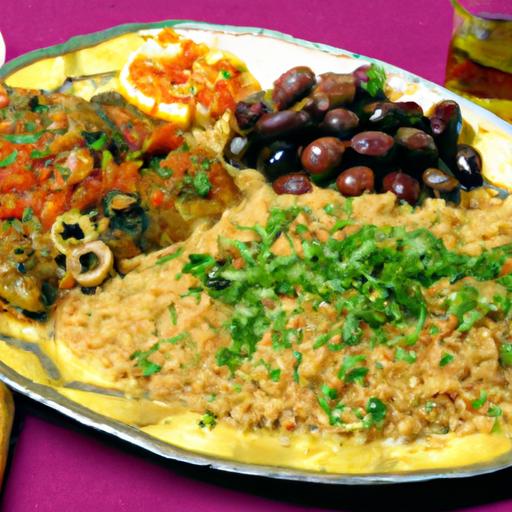

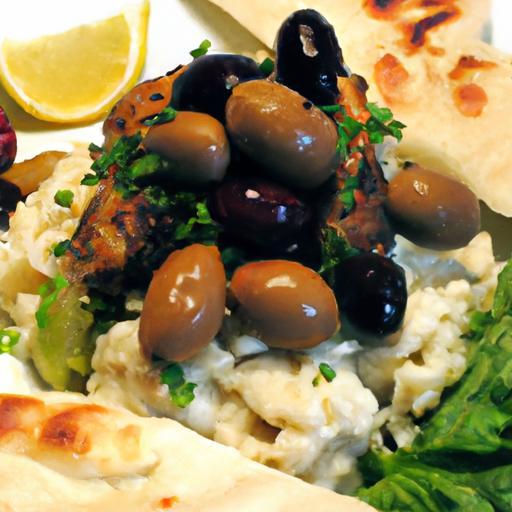
Step into a world were every bite tells a story, where spices dance on your palate and centuries of tradition simmer in every dish. The Middle East, a crossroads of ancient civilizations and vibrant cultures, offers a culinary tapestry rich with bold flavors, fragrant herbs, and timeless recipes handed down through generations. In this guide, we invite you to savor the authentic tastes of Middle Eastern cuisine – from the smoky embrace of grilled meats to the delicate sweetness of rose-infused desserts. Whether you’re a seasoned foodie or an adventurous newcomer, discover the ingredients, techniques, and cultural nuances that make these dishes not just meals, but experiences. Prepare to embark on a flavorful journey that will awaken your senses and deepen your gratitude for one of the world’s most celebrated culinary traditions.
Savor the Flavors of Middle eastern cuisine through an aromatic journey with its enchanting spices and herbs that invoke centuries of tradition and culinary artistry. From the warm embrace of sumac to the cooling essence of fresh mint, these ingredients are the soul of every dish – transforming simple recipes into memorable feasts.
Prep and cook Time
- Preparation: 20 minutes
- Cooking: 40 minutes
- Total: 1 hour
Yield
Serves 6-8 as a main course or 10-12 as part of a mezze spread.
Difficulty Level
Medium – Ideal for adventurous home cooks eager to explore vibrant Middle Eastern flavors with confidence.
Essential Ingredients That Bring Middle Eastern Cuisine to Life
- 2 cups bulgur wheat (fine or medium grind)
- 1 large bunch fresh parsley, finely chopped
- 1/2 cup fresh mint leaves, finely chopped
- 4 medium ripe tomatoes, finely diced
- 1 small red onion, finely diced
- 1/4 cup fresh lemon juice (about 2 lemons)
- 1/4 cup high-quality extra virgin olive oil
- 2 teaspoons ground sumac
- 1 teaspoon ground allspice
- Salt and freshly ground black pepper, to taste
- Optional: 1 cucumber, finely diced (for added freshness)
Signature Dishes You Must Try for an Authentic Culinary Experience
One iconic dish that defines this lush flavor universe is the classic Tabbouleh salad. this refreshing, herb-packed salad captures the essence of Middle Eastern hospitality – light yet deeply satisfying. Its balancing act of zesty lemon, fragrant herbs, and subtle spice envelops the palate in pure delight.
Instructions
- Soak the bulgur: Place bulgur in a large bowl and cover with boiling water. Let it soak for 15 minutes until tender but not mushy. Drain any excess water by pressing bulgur through a fine sieve or using a kitchen towel.
- Prepare herbs and veggies: While bulgur is soaking, finely chop parsley, mint, tomatoes, red onion (and cucumber if using). Fresh herbs are the heart of this dish – ensure they’re finely minced to release their oils and aroma.
- Mix the ingredients: In a large mixing bowl,combine soaked bulgur,chopped parsley,mint,tomatoes,onion,and optional cucumber. Toss gently but thoroughly.
- Add flavorings: Drizzle the olive oil and lemon juice over the mixture. Sprinkle in sumac and allspice, then season with salt and freshly ground black pepper. Stir gently to blend all the taste layers without bruising the herbs.
- Rest and marry flavors: Refrigerate the tabbouleh for at least 30 minutes before serving. This resting period allows the flavors to meld beautifully, elevating the experience.
Tips for Pairing Middle eastern Flavors with Wines and Beverages
To complement this vibrant medley of herbs, citrus, and spices, try light-bodied white wines like Sauvignon Blanc or a dry Riesling, as their acidity cuts through the brightness of lemon and freshness of parsley. For red wine lovers, a chilled Pineau d’Aunis or a soft Grenache pairs beautifully without overpowering the subtle spices. Non-alcoholic options like sparkling water infused with rose or mint add a refreshing contrast and honor traditional Middle Eastern flavors.
Chef’s Notes
- Herb substitution: If fresh mint is unavailable, dried mint can be used sparingly, but fresh leaves offer a more vibrant flavor.
- Sumac alternatives: If sumac is hard to find,substitute with a sprinkle of lemon zest mixed with a pinch of paprika to mimic the tangy earthiness.
- Make-ahead tip: Prepare the bulgur and chop herbs ahead of time. store separately, then combine just before serving to maintain the freshest textures.
- Texture variation: If you prefer a chunkier salad, increase the size of tomato and cucumber dices slightly.
Serving Suggestions
Serve chilled with warm, soft pita bread or crispy lavash crackers. Garnish with a few lemon wedges and a sprinkle of sumac on top for a beautiful finish. Pair tabbouleh alongside grilled meats, falafel, or stuffed grape leaves to create a vibrant Middle Eastern feast perfect for any occasion.

| Nutrient | Per Serving (100g) |
|---|---|
| Calories | 130 kcal |
| Protein | 3 g |
| Carbohydrates | 20 g |
| Fat | 5.5 g |
Explore more on pairing bold Middle eastern flavors with global wines in our Wine Pairings for Spicy Food guide.For an authoritative insight into Middle Eastern spices, visit Encyclopaedia Britannica.
Q&A
Q&A: savor the Flavors – A Guide to Authentic Middle Eastern Dishes
Q1: What makes Middle Eastern cuisine uniquely flavorful?
A1: Middle Eastern cuisine is a vibrant tapestry woven from centuries-old traditions,where aromatic spices like cumin,sumac,and za’atar mingle with fresh herbs such as parsley and mint. the magic lies in the harmony of bold flavors, balanced textures, and wholesome ingredients like olive oil, legumes, and grains, creating dishes that are as comforting as they are exciting.
Q2: Which dishes are essential to truly experience Middle Eastern flavors?
A2: To embark on an authentic journey, start with classics like hummus-a creamy chickpea dip kissed with tahini and lemon; falafel-crispy fritters spiced with coriander and cumin; and tabbouleh-a refreshing salad bursting with parsley, bulgur, and pomegranate seeds. Don’t miss out on rich stews like lamb tagine or savory rice dishes such as maqluba, which combine layers of flavor and history.
Q3: How do Middle Eastern chefs use spices without overwhelming the palate?
A3: The art of Middle Eastern cooking lies in balance and layering. Spices are gently toasted to release their oils and then combined thoughtfully, enhancing rather than dominating the dish.This technique creates depth and warmth, inviting you to savor each bite rather than race through it.
Q4: Are authentic Middle Eastern dishes typically healthy?
A4: Absolutely! Many dishes shine as of their reliance on fresh vegetables, lean meats, legumes, and heart-healthy olive oil.Grilling, roasting, and slow-cooking are common methods, preserving nutrients while building flavor.These dishes are celebration plates that nourish the body as much as the spirit.Q5: Can I recreate Middle Eastern dishes at home without specialized ingredients?
A5: Definitely! While some ingredients like sumac or pomegranate molasses add authentic flair, many Middle Eastern recipes start with pantry staples: garlic, lemon, olive oil, and herbs. With a little creativity and a willingness to experiment,your kitchen can transform into a fragrant marketplace brimming with the scents of the Middle East.
Q6: What cultural importance do Middle Eastern dishes carry?
A6: Middle Eastern food is deeply intertwined with hospitality and celebration. Sharing a meal is a gesture of friendship and respect, often serving as the heart of family gatherings and festive occasions. Each dish carries stories of heritage, migration, and community, making every bite a tasty connection to history.
Q7: How has modern cuisine influenced traditional Middle Eastern dishes?
A7: Contemporary chefs are reimagining Middle Eastern cuisine by blending traditional ingredients with global techniques,creating fusion dishes that honor the past while embracing innovation. Yet, the soul of the cuisine-its bold spices, fresh produce, and communal spirit-remains a constant, making every modern twist a tribute to authentic flavors.
ready to dive spoon-first into this rich culinary world? Let Middle Eastern dishes transport you to sun-drenched markets and warm hearths, where every flavor tells a story.Bon appétit-or as they say in Arabic, Bil hana wa shifa!
Key Takeaways
As your culinary journey through the vibrant and aromatic world of Middle eastern cuisine comes to a close, one thing is clear: these authentic dishes are more than just food-they are a harmonious blend of history, culture, and passion served on a plate. From the smoky depths of grilled kebabs to the delicate sweetness of rose-infused desserts,every bite invites you to savor the flavors that have been cherished for centuries. Whether you’re recreating these recipes at home or seeking them out at a local eatery, embracing Middle Eastern cuisine is an invitation to connect with a rich tapestry of traditions and stories. So go ahead-explore, taste, and let these timeless dishes transport your senses to the heart of the Middle East. Bon appétit!