

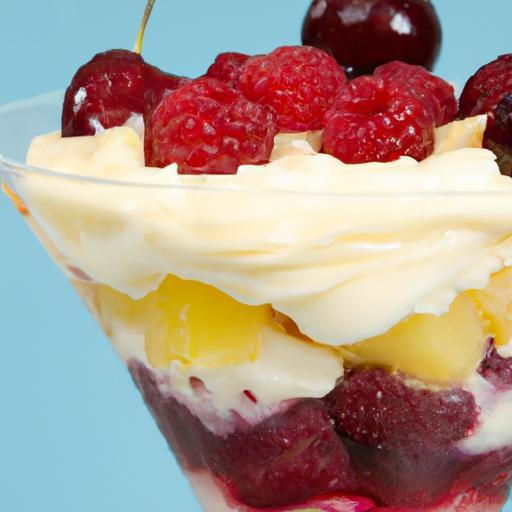
Beneath its seemingly simple exterior, the trifle is a confectionary marvel-a mosaic of textures and tastes that has delighted palates for centuries. Frequently enough mistaken for just a casual dessert,the trifle’s story is anything but ordinary. from aristocratic banquets to humble family gatherings, this layered delight weaves together history and flavor in every spoonful. In “Trifle Uncovered: A Layered Delight of History and Flavor,” we embark on a journey through time and taste, peeling back the delicate layers to reveal the rich heritage and culinary artistry that make trifle a beloved classic in kitchens around the world.
Trifle uncovered reveals a captivating journey of layered delight that transcends centuries,weaving together history and flavor in every spoonful. Originating in England during the 16th century, this indulgent dessert began as a simple mixture of sweet cream and sponge but has since evolved into an artful composition of textures, colors, and tastes that delight every palate. My first encounter with trifle was at a quaint countryside gathering, where the vibrant ruby reds of sherry-soaked fruit contrasted beautifully with the pale custard and whipped cream-an experience that inspired my passion for mastering this classic confection. Now, let’s embark on an enriching exploration of choosing authentic ingredients and creative touches to elevate your own trifle to unforgettable heights.
Prep and Cook Time
- preparation: 25 minutes
- Chilling: 4 hours (preferably overnight)
- Total Time: 4 hours 25 minutes
Yield
Serves 8 to 10 delightful portions
Difficulty Level
Medium – Perfect for weekend entertaining or special occasions
Ingredients
- 1 large sponge cake (store-bought or homemade, cut into 1-inch cubes)
- 1/2 cup sherry or fruit juice (for soaking the sponge)
- 2 cups mixed fresh berries (strawberries, raspberries, blueberries)
- 1 cup fruit preserves (raspberry or apricot works beautifully)
- 2 cups rich custard (vanilla or homemade egg custard)
- 2 cups heavy cream (whipped to soft peaks)
- 3 tablespoons sugar (divided between custard and cream)
- 1 teaspoon pure vanilla extract
- Optional: toasted flaked almonds or edible flowers for garnish
Instructions
- Prepare the sponge base: Cut the sponge cake into uniform cubes and place them in a large glass trifle bowl or individual serving glasses. Drizzle evenly with sherry or fruit juice to infuse moisture and subtle flavor. Let it soak for 10 minutes until tender but not soggy.
- Add the fruit preserves layer: Spread a thin, even layer of fruit preserves over the soaked sponge cubes, providing a concentrated burst of sweetness and color contrast.
- Layer fresh berries: Scatter the mixed fresh berries generously atop the preserves, allowing the vibrant reds and blues to peek enticingly through the transparent bowl walls.
- Pour the custard: Gently pour chilled custard over the fruit layer,smoothing with the back of a spoon to fill gaps and create a creamy veil enveloping the fruits.
- Whip the cream: Beat the heavy cream with 2 tablespoons sugar and vanilla extract until soft peaks form. Dollop or pipe the whipped cream elegantly over the custard layer, adding a fluffy, airy texture that contrasts with the denser custard.
- Chill thoroughly: Cover the trifle with plastic wrap and refrigerate for at least 4 hours, or preferably overnight.This step allows the flavors to harmonize and the textures to meld into a luscious symphony.
- Garnish and serve: Just before serving, sprinkle toasted flaked almonds or scatter edible flowers on top for a refined presentation that elevates this time-honored dessert.
Tips for an Authentic Trifle Experience
- Choose quality sponge: A light, airy sponge soaks up liquid without turning mushy-homemade Victoria sponge or store-bought pound cake are excellent choices.
- Balance sweetness: Adjust sugar depending on the fruit’s tartness and your taste; fresh berries should brighten, not overwhelm.
- Perfect your custard: Use a silky, vanilla-infused custard for richness and depth. For a shortcut, high-quality custard pudding from trusted brands can substitute brilliantly.
- Experiment with soak liquids: For children or alcohol-free options, swap sherry with apple juice or cranberry nectar.
- Make ahead: Trifle benefits from resting overnight, making it an ideal make-ahead dessert for effortless entertaining.
- Creative layering: Incorporate other textures like toasted nuts or crushed biscuits for an exciting crunch.
Creative Twists to Elevate Traditional Trifle
While the classic trifle is a masterpiece on its own, adding personalized flair invites a delightful reimagination. Consider swapping fresh berries for tropical fruits like kiwi, mango, and passion fruit for an exotic twist. Integrate flavored liqueurs such as Grand Marnier or Amaretto in the soaking syrup to deepen complexity. Alternatively, swap custard for mascarpone cream infused with lemon zest for a tangy brightness. For chocolate lovers, layering brownie bites and chocolate ganache between custard and cream intensifies decadence. Thes creative variations encourage adventurous cooks to honor tradition while crafting a dessert unique to their taste.
Nutritional Information
| Nutrient | per Serving |
|---|---|
| Calories | 320 kcal |
| Protein | 5 g |
| Carbohydrates | 45 g |
| Fat | 12 g |

Layered delight of custard, sponge, berries, and cream – a feast for the eyes and palate
For further inspiration on classic British desserts, explore our Classic British Desserts Collection or dive into the rich history of custards at Encyclopedia Britannica.
Q&A
Q&A: Trifle Uncovered - A Layered Delight of History and Flavor
Q1: What exactly is a trifle?
A1: At its heart, a trifle is a beautifully layered dessert that combines sponge cake, fruit, custard, jelly, and whipped cream into a harmonious, visually stunning treat. It’s as much a feast for the eyes as it is for the palate, with each spoonful delivering a medley of textures and flavors.
Q2: Where did the trifle originate?
A2: The trifle’s story begins in 16th century England. Originally, it was a simple concoction of thick cream flavored with sugar, rosewater, and spices. over time, it evolved into the indulgent, multi-layered dessert we certainly know today, reflecting centuries of culinary creativity and cultural influences.
Q3: How has the trifle evolved over the years?
A3: From its humble origins as a cream infused with delicate flavorings, the trifle grew to incorporate soaked sponge cake (often in sherry or other fortified wines), layers of jelly, fresh fruit, rich custard, and a cloud of whipped cream. Each era and region introduced its own twists-some adding nuts, others swapping in exotic fruits-making the trifle a versatile masterpiece of dessert artistry.
Q4: What makes the layers in a trifle so important?
A4: The layers are where the magic happens. Each component brings a unique texture and taste: the sponge soaks up the syrupy wine, the tartness of fruit cuts through the sweetness of custard, and the airy whipped cream rounds it all with luscious softness. Together, they create a symphony of flavors that unfold with every bite.
Q5: Can trifles be customized?
A5: Absolutely! The trifle’s layered nature invites endless customization. You can play with the cake base-vanilla, chocolate, or even gingerbread. Fruits can be seasonal or exotic,jams can replace jelly,and custards can be spiced or infused with coffee or liqueurs. The trifle is a canvas waiting for your culinary imagination.
Q6: Why does the trifle remain a beloved dessert today?
A6: Beyond its delightful taste, the trifle is a nostalgic bridge between past and present. It’s a celebratory dish, frequently enough gracing holiday tables and family gatherings. Its layered construction symbolizes abundance and sharing,inviting everyone to savor not just dessert but tradition itself.Q7: How can one present a trifle to best showcase its layers?
A7: Openness is key! Traditionally served in a clear glass bowl or trifle dish, the layers are revealed in striking bands of color and texture.This visual appeal entices guests, turning dessert into a centerpiece.Taking care to layer evenly and thoughtfully ensures that the trifle’s beauty matches its flavor.
Q8: Any tips for making the perfect trifle at home?
A8: Start with quality ingredients-fresh seasonal fruit and rich custard make all the difference. Don’t rush the soaking of the sponge; let it absorb the wine or juice to infuse flavor and moisture. Chill the trifle for several hours, or overnight if possible, to let the layers meld beautifully. and most importantly,have fun layering your creation-trifle is as much about joyful assembly as it is about indulgent eating!
In essence,the trifle is more than just dessert-it’s a flavorful story told in layers,capturing centuries of history and a world of flavor.
Key Takeaways
As we’ve peeled back the layers of the trifle, from its storied origins to the vibrant medley of flavors that dance upon the palate, it becomes clear that this dessert is more than just a sweet treat-it is a delicious tapestry woven from history, culture, and culinary artistry. Each spoonful invites us to savor not onyl the harmonious blend of textures and tastes but also the rich legacy that has shaped this layered delight through centuries. Whether enjoyed at a festive gathering or as a comforting finale to a quiet meal, the trifle remains a timeless testament to how food can connect past and present in the most delectable way. So next time you indulge in this elegant concoction, remember: every layer tells a story waiting to be uncovered.