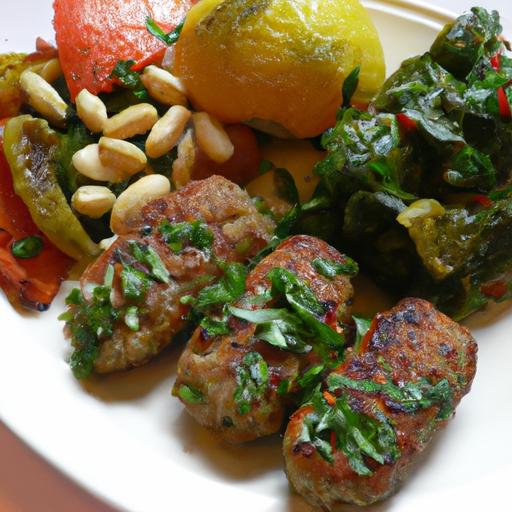

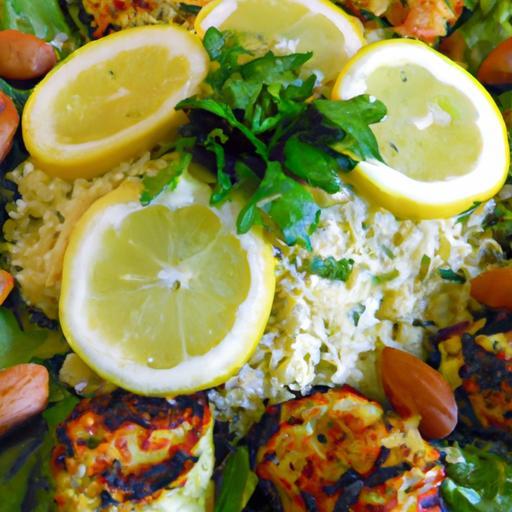
Embark on a culinary adventure that transcends borders and awakens your senses-welcome to the world of authentic Lebanese cuisine. Rooted in centuries of tradition and vibrant culture, Lebanese recipes offer a mosaic of flavors, colors, and aromas that tell stories of sun-kissed olive groves, bustling souks, and family gatherings passed down through generations. In this flavorful journey, we invite you to discover the heart and soul of Lebanon’s kitchen: from fragrant spices and fresh herbs to wholesome grains and succulent meats.Whether you’re a seasoned cook or a curious foodie, these timeless dishes promise not only to delight your palate but also to connect you with a rich heritage brimming with warmth and hospitality. Get ready to explore authentic Lebanese recipes that turn every meal into a celebration of life.
Discover Authentic Lebanese Recipes at home and immerse yourself in the vibrant flavors and aromatic spices that have defined Lebanese cuisine for centuries. This journey into traditional ingredients and classic dishes captures everything from the lively mezze platters to comforting main courses that narrate stories of family gatherings, sun-kissed Mediterranean landscapes, and rich cultural heritage.
Prep and Cook Time
- prep Time: 25 minutes
- Cook Time: 40 minutes
- Total Time: 1 hour 5 minutes
Yield
- Serves 4 to 6 people
Difficulty Level
- Medium
Ingredients
- 1 cup fine bulgur wheat, soaked in cold water for 15 minutes and drained
- 2 medium cucumbers, finely diced
- 4 medium ripe tomatoes, finely chopped
- 1 bunch fresh parsley, finely chopped (about 1½ cups packed)
- ½ cup fresh mint leaves, finely chopped
- 4 green onions, thinly sliced
- 3 tablespoons extra virgin olive oil
- 3 tablespoons freshly squeezed lemon juice
- 1 teaspoon ground allspice
- 1 teaspoon ground cinnamon
- Salt and freshly ground black pepper, to taste
- Optional garnish: pomegranate seeds, toasted pine nuts
Instructions
- Soak the bulgur: Place the bulgur in a large bowl and cover with cold water. Let it soak for 15 minutes until softened but not mushy. Drain thoroughly, pressing out any excess water with your hands or a fine sieve.
- Prepare fresh vegetables and herbs: While the bulgur soaks, finely chop the cucumbers, tomatoes, parsley, mint, and slice the green onions. The freshness and precision of the cuts will elevate the texture and flavor of the dish.
- Combine main ingredients: In a large mixing bowl, gently toss the drained bulgur with cucumbers, tomatoes, parsley, mint, and green onions. Stir carefully to avoid bruising the herbs.
- Season and dress: Add the olive oil, lemon juice, allspice, cinnamon, salt, and black pepper. Mix thoroughly but gently, ensuring all flavors meld without wilting the herbs.
- Rest for flavors to develop: Cover the bowl with plastic wrap and refrigerate for 30 minutes to allow the flavors to marry beautifully.
- Final touch: Before serving, give the tabbouleh a gentle stir. Sprinkle with optional pomegranate seeds and toasted pine nuts for a burst of color and crunch.
Tips for Success
- Balancing freshness and moisture: Be careful not to over-soak the bulgur; it should retain a slight chew to stand out against the crunchy vegetables.
- Herb selection: Always use fresh, shining parsley and mint. These herbs are the heart of the dish, lending a vibrant, aromatic quality that dried versions cannot replicate.
- Spices: Ground allspice and cinnamon add warm, subtle nuances that make the dish genuinely Lebanese – don’t skip them.
- Make-ahead tip: Tabbouleh tastes even better after a few hours as the ingredients harmonize. Prepare it a day ahead, but keep it refrigerated and lightly tossed before serving.
Serving Suggestions
this salad shines brightest as part of a traditional mezze spread alongside hummus, baba ganoush, and warm pita bread. Serve chilled, garnished with a few lemon wedges for an extra zesty finish. Pair it with grilled meats or kebabs to balance rich, smoky flavors with refreshing brightness. For an authentic dining experience, accompany your meal with a chilled glass of mint-infused lemon water or a classic Lebanese arak cocktail.

| Nutrient | Per Serving |
|---|---|
| Calories | 180 kcal |
| Protein | 4 g |
| Carbohydrates | 28 g |
| Fat | 6 g |
Lebanese cuisine’s magic unfolds through its delicate interplay of textures and spices, inviting you to master not just recipes but the vrey soul of its mezze culture. Ready to explore more? Check our Ultimate Middle Eastern Mezze Guide for inspiration, and dive into the rich culinary heritage further with helpful tips from Encyclopaedia Britannica.
Q&A
Q&A: Discover Authentic Lebanese Recipes: A Flavorful Journey
Q1: What makes Lebanese cuisine stand out among Middle Eastern flavors?
A1: Lebanese cuisine is a vibrant mosaic of fresh ingredients, aromatic spices, and centuries-old traditions. It emphasizes balance-think tangy lemon meets fragrant herbs,rich olive oil drizzled over crisp vegetables,and a symphony of textures from creamy hummus to crunchy falafel. Its freshness, simplicity, and communal spirit make every dish a celebration of both taste and culture.
Q2: Which ingredients are essential in authentic Lebanese recipes?
A2: Staples include chickpeas, lentils, garlic, olive oil, sumac, za’atar, fresh parsley, mint, lemon, pomegranate, and an array of nuts like pine nuts and almonds. These ingredients combine to create layers of flavor-earthy, zesty, and subtly sweet-defining the essence of Lebanese cooking.
Q3: Can you name a few iconic Lebanese dishes that every food lover should try?
A3: Absolutely! Start with Tabbouleh,a refreshing parsley and bulgur salad; Kibbeh,a ground meat and bulgur meatball delicacy; Manakish,a flatbread topped with za’atar or cheese; and of course Hummus,the beloved chickpea dip. Don’t miss out on Baba Ghanoush, smoky eggplant spread, and Kafta, spiced meat skewers.
Q4: How do Lebanese recipes reflect the country’s culture and history?
A4: Lebanese dishes are like edible stories-told through ingredients sourced from the Mediterranean’s bounty and inspired by Phoenician, Ottoman, and Arab influences. They embody values like hospitality, family unity, and respect for nature’s gifts. Sharing a mezze platter is more than eating; it’s a ritual of connection and celebration.
Q5: What tips can definitely help someone start cooking authentic Lebanese food at home?
A5: Begin with quality,fresh ingredients and don’t shy away from herbs and spices-they are the stars! Master easy recipes like hummus and tabbouleh to build confidence. Use olive oil generously, embrace slow cooking (especially for hearty stews), and most importantly, cook with love and curiosity.Authenticity is in the passion.
Q6: How can exploring Lebanese recipes enrich one’s culinary repertoire?
A6: Diving into Lebanese cuisine introduces cooks to vibrant vegetarian options, creative uses of grains and legumes, and a new palate of flavors. It encourages mindful eating,communal dining,and an appreciation for simplicity transformed into sublime dishes. This flavorful journey can inspire creativity and open eyes to a world where food is an art of balance and heart.
Embark on this flavorful voyage, and let every authentic Lebanese recipe bring a slice of the Levantine soul to your table!
The Conclusion
As you close this flavorful journey through authentic Lebanese cuisine, remember that each recipe is more than just a dish-it’s a story woven from centuries of culture, tradition, and heartfelt hospitality. By bringing these vibrant flavors and time-honored techniques into your kitchen, you’re not only savoring flavorful meals but also connecting with a rich culinary heritage. So gather your ingredients, embrace the aromas, and let the spirit of Lebanon inspire your next cooking adventure.After all, every bite is an invitation to experience the warmth and passion of a truly remarkable cuisine.