
China’s culinary landscape is a vibrant mosaic, where centuries of tradition blend seamlessly with regional innovation to create an extraordinary palette of flavors. Each dish tells a story-of ancient emperors and humble villagers, of bustling street markets and serene tea houses, of bold spices and delicate aromas.In “Exploring the Flavors: A Journey Through Chinese Dishes,” we embark on a flavorful adventure across this vast and diverse country, uncovering the secrets behind iconic staples and hidden gems alike. Prepare to awaken your senses as we dive into the rich tapestry of ingredients, techniques, and cultural nuances that define the essence of Chinese cuisine.
Mastering Conventional Techniques: The Art and Science Behind Iconic Chinese Recipes
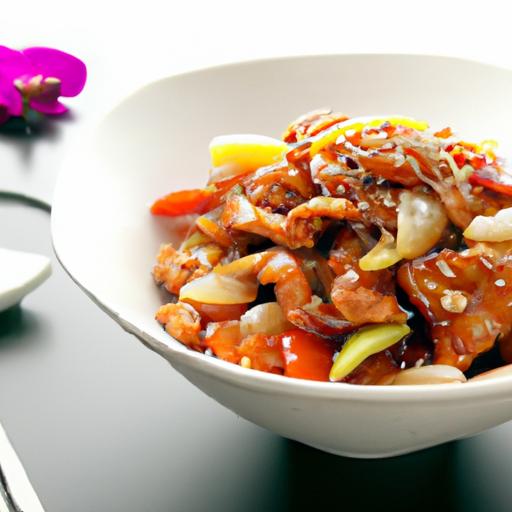
Exploring the Flavors: A Journey Through Chinese Dishes begins with an intimate dive into Kung Pao Chicken,a beloved staple of Sichuan cuisine that perfectly embodies the complexity and balance of Chinese culinary art. Originating in the heartlands where bold, spicy, and savory profiles reign supreme, this dish brings together tender chicken, toasted peanuts, and a vibrant, tongue-tingling sauce. The secret lies not just in the ingredients, but in mastering the timing and technique-stir-frying at high heat to lock in juiciness while creating a crisp exterior is paramount.
Kung Pao Chicken is a testament to how traditional methods and fresh ingredients harmonize into a dish that intrigues the palate and warms the soul. From the crackle of the wok to the final garnish of green onions and chilies, every step is a celebration of texture and flavor.
Prep and Cook Time
- Readiness: 20 minutes
- Cooking: 15 minutes
- Total Time: 35 minutes
Yield
Serves 4 generous portions
Difficulty Level
Medium – Ideal for home cooks looking to elevate their wok skills and explore authentic Chinese techniques
Ingredients
- 500g boneless chicken breast, cut into 1-inch cubes
- 3 tbsp light soy sauce
- 1 tbsp Shaoxing wine (Chinese cooking wine)
- 2 tsp cornstarch
- 3 tbsp vegetable oil, divided
- 10-12 dried red chilies, halved and seeds removed for less heat
- 3 cloves garlic, finely minced
- 1-inch piece ginger, thinly sliced
- 1/2 cup roasted peanuts, unsalted
- 4 green onions, sliced diagonally
- For the Sauce:
- 2 tbsp light soy sauce
- 1 tbsp dark soy sauce
- 1 tbsp Chinkiang vinegar (black rice vinegar)
- 1 tbsp sugar
- 1/2 cup water or chicken stock
- 1 tsp cornstarch mixed with 2 tsp water (slurry)
Instructions
- Marinate the Chicken: In a bowl, combine the chicken cubes with light soy sauce, Shaoxing wine, and cornstarch. Toss well and let it rest for 15 minutes. This step tenderizes the meat and creates a glossy texture after cooking.
- Prepare the Sauce: Whisk together all sauce ingredients (both soy sauces, vinegar, sugar, water, and slurry) in a small bowl.Set aside.
- Heat the Wok: Add 2 tablespoons of vegetable oil over high heat. When shimmering,add dried red chilies and stir-fry for about 30 seconds until fragrant but not burnt.
- Sauté Aromatics: Quickly add garlic and ginger, stirring to release their full aroma, for about 15 seconds.
- Cook the Chicken: Add the marinated chicken cubes in a single layer. Do not overcrowd the wok to allow even searing. Stir-fry until the chicken turns white and starts to brown on edges, about 5 minutes.
- Combine Sauce and Nuts: Pour the prepared sauce into the wok. Stir continuously until the sauce thickens and coats the chicken evenly, approximately 2-3 minutes. Add roasted peanuts and half of the sliced green onions. Stir to combine.
- Final Touch: Drizzle the remaining 1 tablespoon of oil around the edge of the wok to add a subtle gloss and richness. Remove from heat and transfer to a serving dish.
- Garnish: Scatter the remaining green onions on top to add freshness and color contrast.
Tips for Success
- Fresh Peanuts: Use freshly roasted peanuts to ensure crunchy texture and bold flavor. Avoid salted nuts to balance the dish’s saltiness.
- Chicken Alternatives: For a twist, substitute chicken with diced firm tofu or shrimp for variety, adjusting cooking times accordingly.
- Control the Heat: Adjust the number of dried chilies based on your spice tolerance. Removing seeds softens the intensity without sacrificing flavor.
- wok Care: Preheat your wok thoroughly before adding oil to prevent sticking and enhance caramelization.
- Make-Ahead: The sauce can be mixed in advance and stored in the refrigerator for up to 3 days.
Serving Suggestions
Present this vibrant Kung Pao Chicken atop a bed of steamed jasmine rice or alongside delicate scallion pancakes for texture contrast. Offer crisp cucumber slices or lightly pickled vegetables to temper the fiery sauce. Garnish with a sprinkle of toasted sesame seeds or fresh coriander for an elevated finish. pair with a chilled jasmine tea or a light beer to create a balanced dining experience.

| Nutrient | Amount per Serving |
|---|---|
| calories | 380 kcal |
| Protein | 34 g |
| Carbohydrates | 15 g |
| Fat | 18 g |
For more exploration of authentic regional recipes that showcase china’s culinary soul, don’t miss our detailed guide on Regional Chinese Cuisines and Their Signature Flavors.To deepen your grasp of traditional cooking techniques, explore the South China Morning Post’s expert insights on Sichuan cuisine.
Q&A
Q&A: Exploring the Flavors – A Journey Through Chinese Dishes
Q1: What makes Chinese cuisine so diverse and unique?
A1: Chinese cuisine is a vast mosaic shaped by thousands of years of history,geography,and culture. From the spicy, bold flavors of Sichuan to the delicate, dim-sum traditions of Cantonese cooking, each region contributes its own ingredients, techniques, and stories. This diversity creates a flavorful tapestry that’s both rich and endlessly intriguing.
Q2: Which are the essential flavor profiles that define Chinese dishes?
A2: Chinese dishes often balance the five key flavors: sweet,sour,salty,bitter,and umami. Many recipes masterfully blend these to create harmony on the palate. For instance,the combination of spicy chili and numbing Sichuan peppercorns delivers a distinctive,mouth-tingling sensation unique to Sichuan cuisine.
Q3: How important is the use of fresh ingredients in Chinese cooking?
A3: Freshness is paramount. Chinese cooking emphasizes seasonality and the use of vibrant, fresh produce, meats, and seafood. This focus ensures that dishes not only have robust flavors but also maintain nutritional value. Markets bustling with fresh ingredients are the lifeblood of authentic Chinese culinary artistry.
Q4: Can you highlight a few iconic Chinese dishes and their cultural significance?
A4: Certainly! Peking Duck, with its crispy skin and tender meat, symbolizes imperial luxury from Beijing. Dim sum, a beloved Cantonese tradition, is more than food-it’s a social experience, bringing friends and family together over bite-sized delicacies. Mapo Tofu exemplifies the fiery spirit of Sichuan cuisine, representing boldness and warmth.
Q5: How has Chinese cuisine evolved in the modern world?
A5: While traditional methods remain cherished,modern Chinese chefs are blending innovation with heritage.Fusion cuisine incorporates global influences without sacrificing authentic flavors. Additionally, health-conscious adaptations now see less oil and more plant-based ingredients, making Chinese food both trendy and enduring.
Q6: What advice would you give to someone eager to start exploring Chinese flavors?
A6: Start with an open mind and a willingness to taste boldly! Begin by sampling popular staples like dumplings and fried rice, then venture into regional specialties like hotpot or Cantonese roast pork. Don’t be afraid to experience new textures and spice levels-each bite is a story waiting to be discovered.
Q7: How can home cooks replicate authentic Chinese flavors?
A7: Invest in a few essential ingredients-soy sauce, chinese five-spice, Shaoxing wine, and fresh ginger-and master basic techniques like stir-frying and steaming. Patience is key; balancing flavors and textures takes practice. And most importantly, cooking should be joyful, a personal journey through China’s culinary heritage.
This Q&A offers a flavorful glimpse into the enchanting world of Chinese dishes, inviting readers to savor the heritage and innovation that make this cuisine a global treasure.
To Conclude
As our culinary journey through the vibrant tapestry of Chinese dishes comes to a close, we find that each bite tells a story-of ancient traditions, regional landscapes, and the warm hands that craft each flavor. From the fiery depths of Sichuan’s spices to the delicate whispers of Cantonese dim sum, China’s diverse cuisine invites us to savor more than just food; it invites us to experience a rich cultural heritage that has been perfected over centuries. so next time you sit down to enjoy a plate of dumplings or a bowl of noodle soup, remember you are partaking in a journey that spans time and geography-a flavorful adventure that continues to inspire and delight palates around the world.