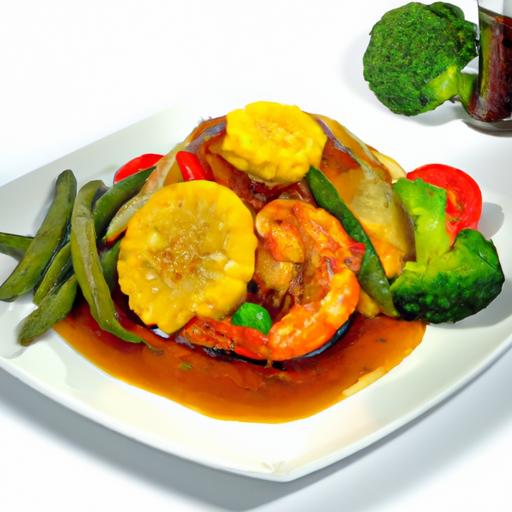

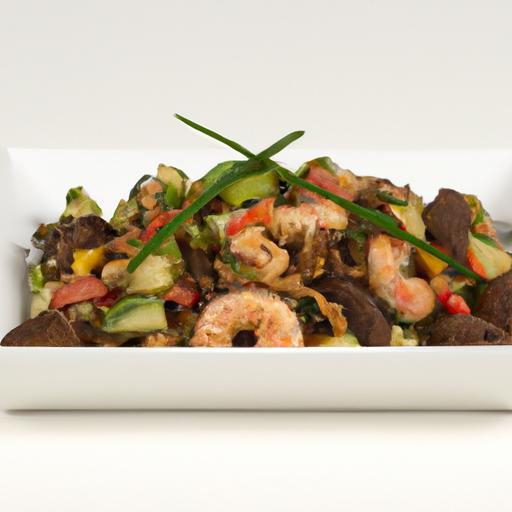
Beneath swaying palms and turquoise skies lies a treasure trove of culinary wonders-an orchestra of flavors that tell the story of the Caribbean’s rich history and vibrant culture. From fiery jerk spices kissed by island breezes to sweet, sun-ripened fruits that burst with tropical goodness, Caribbean cuisine is a journey through a mosaic of traditions and tastes.In this exploration of the region’s diverse dishes, we invite you to savor the bold, the subtle, and the surprising flavors that define the islands, uncovering the unique ingredients and time-honored techniques that make Caribbean food a feast for the senses and the soul.
Flavors of the Caribbean bring us to the heart of an island favorite: Jerk Chicken, a dish that perfectly captures the vibrant spice markets and culinary heritage that define Caribbean identity. This iconic recipe combines bold, smoky heat with a symphony of local herbs and seasonings, making it not just a meal but a festivity of culture and tradition. My first taste of true jerk chicken was amidst the lively stalls of a Jamaican market, where the air was thick with the scent of allspice, Scotch bonnet peppers, and fresh thyme-each bite singing the story of centuries-old Caribbean seasoning artistry.
Prep and Cook Time
- Readiness: 20 minutes
- Marinating: 4 hours (or overnight for deeper flavor)
- Cooking: 30 minutes
- Total: Approximately 5 hours
Yield
Serves 4
Difficulty Level
medium – Perfect for cooks with some grilling or roasting experience looking to explore authentic Caribbean flavors.
Ingredients
- 1 whole chicken (about 3-4 lbs), cut into 8 pieces
- 4 cloves garlic, minced
- 2 Scotch bonnet peppers, seeded and chopped (handle with care!)
- 2 tablespoons fresh thyme, finely chopped
- 1 tablespoon ground allspice (pimento berries)
- 2 teaspoons ground cinnamon
- 1 teaspoon ground nutmeg
- 1/4 cup soy sauce
- 1/4 cup apple cider vinegar
- 3 tablespoons brown sugar
- 1 tablespoon fresh ginger, grated
- 2 scallions, chopped
- Juice of 1 lime
- 2 tablespoons vegetable oil
- Salt and black pepper to taste
Instructions
- Prepare the marinade: In a blender or food processor, combine garlic, Scotch bonnet peppers, thyme, allspice, cinnamon, nutmeg, soy sauce, apple cider vinegar, brown sugar, ginger, scallions, lime juice, vegetable oil, salt, and pepper. blend untill smooth, scraping down the sides as needed.
- Marinate chicken: Place chicken pieces in a large bowl or sealable bag, pour the marinade over them, ensuring all pieces are fully coated. Cover and refrigerate for at least 4 hours, ideally overnight for maximum flavor infusion.
- Preheat the grill or oven: For grilling, aim for medium-high heat. If using an oven, preheat to 375°F (190°C).
- Cook the chicken: Grill the chicken pieces skin-side down first, about 6-8 minutes per side, turning carefully to avoid flare-ups. If baking, place the chicken on a rack set over a baking sheet to allow air circulation and roast for 30-35 minutes, turning once halfway through.
- Rest and serve: Let the chicken rest for 5 minutes after cooking; this locks in the juices and ensures tender bites.
tips for Success
- Scotch bonnet peppers: If you prefer milder heat, substitute with habanero or jalapeño, but the authentic smoky heat comes from Scotch bonnets.
- Marinating time: The longer the marinade, the deeper the flavors penetrate. Overnight is ideal if time allows.
- Grilling tip: Keep a spray bottle of water handy to tame any grease flare-ups while grilling jerk chicken.
- Make-ahead: The marinade can be prepared a day ahead,making meal prep seamless.
- Extra smoky flavor: For an extra punch, finish the chicken over indirect heat or add a small handful of soaked wood chips on your grill.
Serving Suggestions
The beauty of Caribbean cuisine is in its colorful, comforting pairings.Serve your jerk chicken over fluffy coconut rice and peas, alongside fried plantains or a fresh mango salsa to balance the spiciness. Garnish with additional chopped scallions and a lime wedge for a refreshing zest. A chilled glass of tropical fruit punch or a cold beer perfectly complements the warm spices and smoky undertones.

| Nutrient | Per Serving |
|---|---|
| Calories | 350 kcal |
| Protein | 38 g |
| Carbohydrates | 5 g |
| Fat | 18 g |
Discover more island-inspired recipes by exploring our Caribbean Seafood Delights collection, or dive deeper into Caribbean spices at the National Geographic’s Spices of the World for a broader context on these vibrant seasonings.
Q&A
Q&A: Flavors of the Caribbean – A Journey Through Island Cuisine
Q1: What makes Caribbean cuisine unique compared to other regional foods?
A1: Caribbean cuisine is a vibrant tapestry woven from African, Indigenous, European, Indian, and Chinese influences. Its uniqueness lies in its bold use of spices, fresh local ingredients, and cooking techniques passed down through generations. Each island offers its own twist, making Caribbean food both diverse and deeply flavorful.
Q2: Which ingredients are most commonly used in Caribbean cooking?
A2: Staples like allspice (frequently enough called pimento), Scotch bonnet peppers, coconut milk, plantains, fresh seafood, and tropical fruits such as mango, guava, and pineapple infuse Caribbean dishes with their signature flavors. Root vegetables like yams and cassava also play a key role.
Q3: How does geography influence Caribbean cuisine?
A3: Surrounded by warm, turquoise waters, the Caribbean islands have access to some of the freshest seafood-think conch, lobster, and flying fish. The tropical climate allows for year-round cultivation of fruits and spices, while the islands’ remote locations foster unique cooking traditions shaped by available resources and cultural blending.
Q4: What are some iconic Caribbean dishes every food lover should try?
A4: Jerk chicken from Jamaica, which features smoky, spicy marination; Trinidad and Tobago’s doubles, a savory street food made with curried chickpeas sandwiched between fried flatbreads; Barbados’ flying fish and cou-cou; and Haitian griot, a tender, marinated pork dish are culinary highlights that tell stories of their island homes.
Q5: How do Caribbean flavors reflect the region’s history?
A5: Each bite is a narrative of migration, colonization, and resilience. African slaves brought techniques and spices; European colonizers introduced new ingredients; Indian indentured workers contributed fragrant curries; and Indigenous peoples offered staple crops and cooking wisdom. The resulting cuisine is a delicious chronicle of cultural fusion.
Q6: What role does seafood play in Caribbean gastronomy?
A6: With islands dotting the ocean, seafood is central to Caribbean diets-fresh, abundant, and diverse. Fish, shellfish, and crustaceans become the stars of everyday meals and festive feasts alike, often paired with spices, citrus, and coconut to highlight the sea’s bounty.
Q7: Can you describe the flavor profile of typical Caribbean food?
A7: Caribbean dishes often balance heat, sweetness, tanginess, and smokiness. Expect fiery Scotch bonnet peppers tempered by sweet tropical fruits, aromatic herbs like thyme mingling with earthy root vegetables, and complex spice blends that awaken the senses with every bite.
Q8: How has Caribbean cuisine influenced global culinary trends?
A8: From jerk seasoning becoming a beloved flavor worldwide to the global popularity of tropical fruits and rum-infused desserts, Caribbean cuisine has sparked interest beyond its shores. Its emphasis on bold,fresh,and vibrant flavors continues to inspire chefs and food enthusiasts around the world.
Q9: What’s a fun way to experience Caribbean cuisine at home?
A9: Start with simple dishes like jerk chicken or callaloo soup, and don’t shy away from experimenting with local spices and fresh produce. Pair your meal with tropical fruit juices or a classic rum cocktail-savoring the music and stories behind each dish will transport you straight to the islands.
Q10: Why is exploring Caribbean food a journey worth taking?
A10: Beyond the delicious flavors, exploring Caribbean cuisine is immersing yourself in a mosaic of cultures, histories, and traditions. Each dish is a celebration of life, community, and creativity, inviting you to taste the heart and soul of the islands with every bite.
Insights and Conclusions
As the sun sets on our flavorful voyage through the Caribbean,we find that each island’s cuisine is more than just a meal-it’s a vibrant story told through spices,fresh ingredients,and centuries of tradition. From the fiery jerk of Jamaica to the sweet, fragrant dishes of the Bahamas, the Caribbean invites us to savor its rich cultural tapestry one bite at a time. Whether you’re a seasoned foodie or an adventurous traveler, exploring these island flavors offers a delicious way to connect with the heart and soul of the Caribbean.so next time you crave a taste of paradise, remember: the islands’ kitchens are ready to welcome you with open arms and a feast of unforgettable flavors.