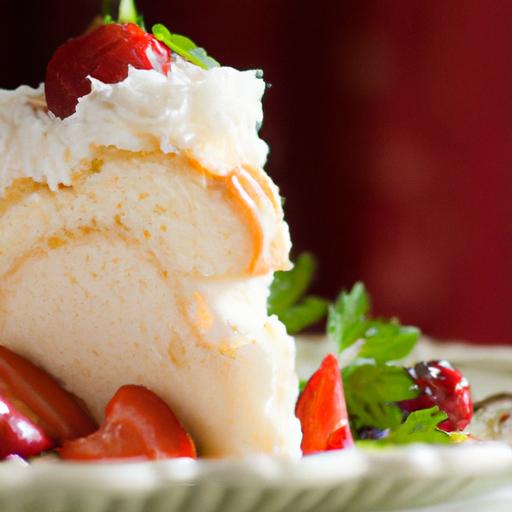

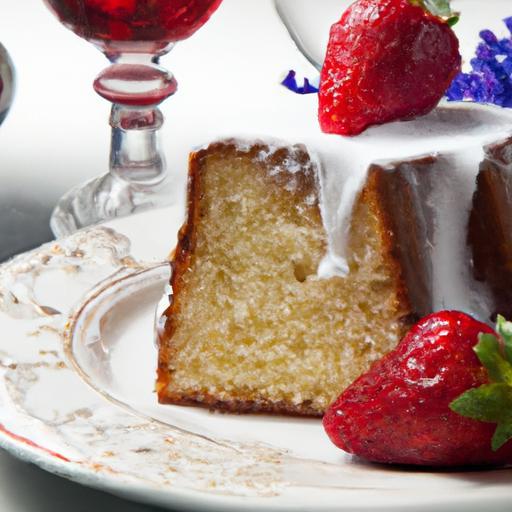
Light as a whisper, sweet as a dream, and elegantly simple in its form, angel food cake has enchanted dessert lovers for generations. More than just a confection, this ethereal treat embodies a delicate balance of art and science-a symphony of whipped egg whites, sugar, and flour that transforms ordinary ingredients into something truly heavenly. In this exploration of heavenly Delights: Teh Art and Science of Angel Food Cake, we delve into the origins, techniques, and chemical wonders behind the cloud-like texture that makes this cake a timeless classic. Join us as we unravel the secrets that elevate angel food cake from a humble recipe to a divine party on the palate.
Heavenly Delights begin with the ethereal texture and sublime sweetness of angel food cake-a dessert that stands as a testament to culinary ingenuity and simplicity. Originating in the United States in the 19th century, this cake evolved from humble beginnings as a resourceful way to use leftover egg whites into a beloved classic known for its cloud-like crumb and delicate flavor. The secret to its lightness lies in mastering the art of whipping egg whites to their perfect stiff peaks, incorporating air gently, and selecting ingredients that contribute to both structure and subtle sweetness. Whether you’re a seasoned baker or just discovering this heavenly treat, understanding its origins and refining your technique elevates every bite into an unforgettable dessert experience.
Prep and Cook Time
- Readiness: 20 minutes
- Cooking: 35 minutes
- Cooling: 1 hour
Yield
Serves 10-12 slices
Difficulty Level
Medium – Requires precise technique but rewarding results
Ingredients
- 1 cup cake flour, sifted
- 1 ½ cups egg whites (approximately 10 large eggs), room temperature
- 1 ¼ cups granulated sugar, divided
- 1 ½ tsp cream of tartar
- ½ tsp kosher salt
- 1 tsp pure vanilla extract
- ½ tsp almond extract (optional)
Instructions
- Preheat the oven to 350°F (175°C). Ensure your tube pan is ungreased to allow the cake to cling and rise properly.
- Sift together the cake flour and ¾ cup of the granulated sugar twice to aerate and remove lumps, setting it aside.
- In a large mixing bowl, beat the egg whites on medium speed until foamy using a stand mixer with the whisk attachment.
- Add the cream of tartar and salt to the egg whites. Continue whipping until soft peaks form.
- Gradually add the remaining ½ cup of sugar, about one tablespoon at a time, while whipping until glossy, stiff peaks form. Be careful not to overbeat, which can dry out the whites.
- Gently fold in the sifted flour mixture in three additions using a rubber spatula. Incorporate flour with a light hand, folding just until combined to preserve airiness.
- Stir in the vanilla and almond extracts carefully without deflating the batter.
- Pour the batter into the ungreased tube pan. Smooth the top with a spatula but avoid tapping the pan.
- Bake for 35-40 minutes or until the cake springs back when lightly pressed and turns golden brown.
- Invert the pan instantly after removing from the oven-cool the cake upside down on the bottle neck or a funnel to prevent collapse and maintain volume.
- Once fully cooled, run a thin offset knife around the edges and center tube to release the cake.
Tips for Success
- Always use room temperature egg whites. They whip better and increase volume.
- Do not grease your pan; it prevents batter from climbing the sides and rising properly.
- Beat egg whites carefully. Underbeating leads to a dense cake; overbeating can cause dry, cracked texture.
- Sifting flour aerates and ensures a smooth batter free of lumps.
- If you crave a twist, experiment adding citrus zest or fold in fresh berries before baking for a fresh burst of flavor.
- Make ahead: Store cooled cake in an airtight container at room temperature for up to 2 days or freeze for longer storage.
Serving Suggestions
Slice your angel food cake gently with a serrated knife for clean edges. Pair it with:
- Fresh mixed berries and a dollop of whipped cream or mascarpone
- A drizzle of warm chocolate ganache or raspberry coulis
- Lightly toasted slivered almonds or a dusting of powdered sugar
- A scoop of vanilla bean ice cream for an indulgent contrast
- Layered with lemon curd and fresh strawberries to create a delightful shortcake effect
For a festive touch, garnish with edible flowers or mint leaves, bringing an elegant finish to your presentation.
The Science behind the Art of Egg whites and Air Incorporation
Whipping egg whites incorporates microscopic air bubbles, which act as tiny balloons to give angel food cake its signature lift. The addition of cream of tartar stabilizes these bubbles by lowering the pH, preventing premature collapse during baking. Carefully folding in the flour without deflating the mixture preserves this delicate foam structure, resulting in a light, spongy crumb. Each step marries science and technique, a dance that transforms simple ingredients into a cloud-like masterpiece.
| Nutritional Info (per serving) | Calories | Protein | Carbs | Fat |
|---|---|---|---|---|
| Angel Food Cake | 140 kcal | 4 g | 30 g | 0.5 g |
For more tips on perfecting your baking techniques and exploring creative dessert ideas, visit our Baking Techniques and Tips page. To delve deeper into the history of this delicate cake and its cultural significance, the Smithsonian Magazine offers a beautifully detailed exploration.

Q&A
Q&A: Heavenly Delights – The Art and Science of Angel Food Cake
Q1: What exactly is angel food cake, and why is it so unique?
A: Angel food cake is a light, airy confection that seems to defy gravity. Made primarily from egg whites, sugar, and flour, it rises without butter or egg yolks, giving it an ethereal texture. Its uniqueness lies in the delicate balance of ingredients and technique-when done right, it’s as fluffy as a cloud and as tender as a whispered promise.
Q2: How did angel food cake get its heavenly name?
A: The cake’s name conjures images of angels and celestial bliss, fitting for its lofty texture and pure white color. Legend says early 19th-century bakers called it “angel food” as it was so light,it seemed like a treat fit for the divine. Over time, this evocative name stuck, capturing the imagination of dessert lovers everywhere.Q3: What is the science behind its fluffy texture?
A: The magic lies in the egg whites. When whipped, egg whites trap air, forming a foam that expands during baking. The sugar stabilizes this foam, while the flour provides structure. The cake pan’s design-often a tube pan with non-greased surfaces-helps the cake cling to the sides as it rises, creating that iconic airy dome. Like a delicate architectural marvel, every element supports the others.Q4: Why are egg yolks omitted from angel food cake recipes?
A: Egg yolks contain fat, which can weigh down the airy foam created by whipped whites. Omitting yolks ensures the batter remains buoyant,allowing the cake to rise beautifully and maintain its ethereal texture. It’s an elegant example of how a simple ingredient adjustment transforms the final product.
Q5: Are there any secrets to perfecting an angel food cake?
A: Absolutely! Here are some tips straight from the cloud-kitchen: Use room temperature egg whites for better volume, sift sugar with flour to avoid clumps, and resist the urge to grease the pan-angel food cakes need to cling to the pan’s sides to rise properly. Also, let the cake cool upside down in its pan; this prevents collapse and keeps it lofty.
Q6: Can angel food cake be flavored or paired creatively?
A: Though traditionally vanilla-scented, angel food cake is a versatile canvas. Gentle additions like almond extract or citrus zest can elevate its subtle sweetness. For serving, fresh berries, whipped cream, or a drizzle of fruit coulis transform it into a sublime dessert symphony-each bite a delicate dance of flavor and texture.
Q7: How does angel food cake fit into contemporary baking culture?
A: In an era of rich, decadent desserts, angel food cake offers a refreshing contrast-light, less sweet, and fat-free. Its simplicity appeals to health-conscious bakers without sacrificing pleasure. Modern reinterpretations play with colors, flavors, and presentations, keeping this classic cake both relevant and radiant in today’s dessert repertoire.
Q8: Why is angel food cake a timeless delight?
A: Because it embodies the harmony of art and science-transforming humble ingredients into an airy masterpiece that delights the senses. Its ethereal beauty and delicate taste continue to inspire bakers and dessert lovers alike, proving that sometimes, the simplest things in life truly are the sweetest.
In Summary
As the last crumb of angel food cake melts on your tongue, you’re left not only with a lingering sweetness but also a newfound thankfulness for the delicate dance between art and science that brings this ethereal dessert to life. From the skillful whipping of egg whites to the precise folding of flour, every step is a testament to the harmony of technique and creativity. Whether enjoyed as a simple treat or adorned with vibrant fruits and creams, angel food cake remains a sublime symbol of lightness and grace-a heavenly delight that continues to inspire bakers and dessert lovers alike. So next time you savor its fluffy embrace, remember: you’re partaking in a culinary masterpiece that’s as much about chemistry as it is about joy.