
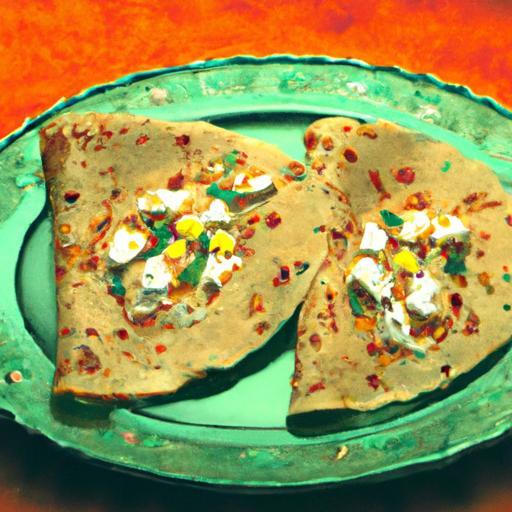
As the first light of dawn gently spills over the horizon, it carries with it more than just the promise of a new day-it ushers in a symphony of scents, colors, and flavors that define the heart of Indian mornings. “Sunrise Flavors: Authentic Indian Breakfast recipes to Try” invites you on a culinary journey across India’s diverse regions, where breakfast is not just a meal but a cherished ritual. From the crisp, golden dosas of the south to the spicy, fluffy parathas of the north, each recipe tells a story steeped in tradition, culture, and homemade comfort. Whether you’re a seasoned food lover or a curious explorer, these authentic breakfasts offer a vibrant start that awakens the senses and nourishes the soul. Join us as we dive into these sunrise flavors that transform the simple morning meal into an unforgettable experience.
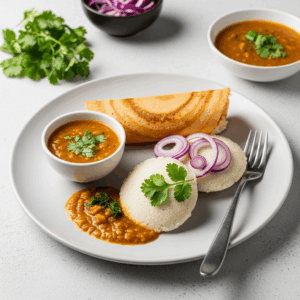
Sunrise Flavors: Authentic Indian Breakfast Recipes to Try invite you to embark on an unforgettable journey into the heart of South Indian kitchens, where the art of crafting perfect dosas and idlis is an age-old tradition cherished by millions. These golden-crisp dosas and soft, fluffy idlis form the soul of a wholesome breakfast and are celebrated for their delicate texture and subtle tang. Paired with vibrant chutneys and rich sambars, each bite brims with layers of flavor and heritage. As mornings come alive with these delights, the sweetness of classic Indian breakfast sweets and aromatic beverages completes the experience, making every sunrise an occasion to cherish.
Prep and Cook Time
- Preparation: 12 hours (including soaking and fermentation)
- Active Cooking: 40 minutes
- Total Time: 12 hours 40 minutes
Yield
Serves 4-5 people generously
Difficulty Level
Medium: Requires fermentation but easy to master with practice
Ingredients
- For Dosa and Idli batter:
- 2 cups parboiled rice (idli rice preferred)
- 1 cup split urad dal (dehusked black gram)
- 1/2 teaspoon fenugreek seeds (methi)
- Salt, to taste
- Water, as needed
- For tempered Dosa Ghee/Butter: Unsalted butter or ghee (for spreading)
- For Sambar:
- 1/2 cup toor dal (pigeon peas)
- 1 cup mixed vegetables (drumstick, carrots, pumpkin, tomato)
- 1 tablespoon sambar powder
- 1/2 teaspoon turmeric powder
- Salt, to taste
- 1 tablespoon tamarind paste
- For tempering: mustard seeds, curry leaves, dried red chilies, asafoetida
- for Coconut Chutney:
- 1 cup freshly grated coconut
- 2 green chilies
- 1-inch piece of ginger
- 1/4 cup roasted chana dal (dalia)
- Salt, to taste
- water, as needed
- For tempering: mustard seeds, curry leaves, split urad dal
Instructions
- Prepare the Batter: Rinse the rice and urad dal separately in cold water 3-4 times. Soak the rice with fenugreek seeds and urad dal separately in ample water for at least 6-8 hours or overnight.
- Grind the Dal: Drain the urad dal and grind it with minimal water until it becomes a smooth, fluffy batter.Transfer to a large bowl.
- Grind the Rice: Drain rice and fenugreek, grind to a slightly coarse batter, maintaining some texture.
- Mix and Ferment: Combine both batters in the bowl, add salt, and mix thoroughly with wet hands or a spoon. Cover and ferment in a warm place for 8-12 hours until it doubles in volume and has a pleasantly sour aroma.
- Cook Idlis: Grease idli molds lightly. Pour batter into molds and steam in an idli cooker or Instant Pot’s steam function for 12-15 minutes until puffed and cooked thru. Insert a toothpick to test readiness.
- Make Dosas: Heat a flat non-stick or cast iron skillet over medium-high flame. Pour a ladleful of batter in the centre and spread it outward in a circular motion to form a thin crepe.
- Cook Dosas: Drizzle ghee or butter around edges. Cook until edges lift and underside turns golden-brown and crispy, about 2 minutes. Flip if you prefer both sides cooked, else fold and serve hot.
- Prepare Sambar: Pressure cook toor dal with turmeric till soft. in a pot, cook mixed vegetables until tender. Add cooked dal, tamarind paste, sambar powder, and salt.Simmer for 10 minutes.
- Tempering sambar: Heat oil, add mustard seeds, dried red chilies, curry leaves, and a pinch of asafoetida. Pour tempering into sambar.
- Prepare Coconut Chutney: Blend coconut,green chilies,ginger,dal,salt,and water to a smooth paste.Heat oil,temper mustard seeds,curry leaves,and urad dal; pour over chutney.
Tips for Success
- Fermentation: Temperature is key. Keep batter in a warm spot to ferment. If kitchen is cold, preheat oven at 90°F (30°C) for 2 mins, turn off, place bowl inside.
- Batter Consistency: Should be thick yet pourable-too watery dosa become floppy; too thick, the batter won’t spread well.
- Skillet Heat: Test with a drop of water; it should sizzle and evaporate immediately but not burn.
- Variations: Try adding finely chopped onions, green chilies, or grated carrots atop dosas before flipping for extra flavor and texture.
- Make Ahead: Batter can be stored in the refrigerator for up to 3 days; allow to come to room temperature before using for best results.
Serving Suggestions
Serve steaming warm idlis and crispy dosas on a banana leaf or colorful ceramic plates to evoke authentic South Indian charm. Accompany generously with coconut chutney, tangy sambar, and a small bowl of tomato or peanut chutney for contrasting flavors. Garnish chutneys with fresh curry leaves and mustard seeds tempering for an aromatic finish. Pair with a hot cup of masala chai or filter coffee to elevate your morning ritual.

| Nutrient | Per Serving (2 dosas + 2 idlis + sides) |
|---|---|
| Calories | 350 kcal |
| Protein | 10 g |
| Carbohydrates | 60 g |
| Fat | 5 g |
for more flavorful Indian breakfast inspiration, explore our detailed guide on Traditional Indian Parathas and find other regional delights brought to life through authentic recipes.
Q&A
Q&A: Sunrise Flavors – Authentic Indian breakfast recipes to Try
Q1: What makes Indian breakfasts so unique compared to other cuisines?
A1: Indian breakfasts burst with vibrant spices, diverse textures, and regional variations that reflect centuries of culinary tradition. Unlike many western breakfasts, Indian morning meals combine savory, tangy, and sometimes sweet flavors in inventive ways-think crispy dosas, fluffy idlis, and hearty parathas-turning the start of your day into a flavorful adventure.
Q2: Can you name some quintessential Indian breakfast dishes worth trying?
A2: absolutely! Some iconic favorites include:
- Masala Dosa: A crispy, golden crepe made from fermented rice and lentil batter, stuffed with spicy potato filling.
- Idli: Steamed, airy rice cakes often paired with coconut chutney and sambar.
- Poha: Flattened rice lightly sautéed with mustard seeds, curry leaves, peanuts, and a squeeze of fresh lemon.
- Paratha: Flaky, buttery flatbreads frequently enough stuffed with potatoes, paneer, or greens.
- Upma: Creamy semolina porridge infused with mustard seeds, green chilies, and fresh ginger.
Q3: How do Indian breakfast recipes vary across different regions?
A3: India’s vast geography creates a fantastic mosaic of morning meals. In the south, fermented rice and lentil dishes like dosas and idlis rule. The north leans toward wheat-based breads like parathas and stuffed kulchas. Western states might indulge in spicy poha with sev, while eastern regions often savor light, subtly flavored rice-based options. Each region adds local ingredients and unique spice blends, making every breakfast a cultural story on a plate.
Q4: Are Indian breakfasts healthy and balanced?
A4: Many Indian breakfasts are naturally balanced, combining carbs, proteins, and fiber. For example, dosas and idlis are made from fermented batters that aid digestion and gut health. Lentils and legumes provide protein, while vegetables, herbs, and spices contribute antioxidants and vitamins. Plus, cooking methods like steaming and light sautéing keep dishes wholesome without excess oil.
Q5: How can someone new to Indian cuisine start exploring these breakfast recipes?
A5: Start simple! Try making masala dosa or poha at home-both have straightforward ingredients and methods. Experiment with key spices like mustard seeds, cumin, turmeric, and curry leaves to build authentic flavors. And don’t be afraid to pair the dish with traditional sides like coconut chutney or tangy sambar. The more you taste and cook, the more you’ll unlock the tasty sunrise flavors of India.
Q6: What makes Indian breakfast a cultural experience beyond just food?
A6: Indian breakfasts often transcend mere nourishment-they’re a moment of connection, tradition, and rythm.Families gather over steaming plates, sharing stories and laughter. The recipes carry ancestral wisdom,regional pride,and a sense of hospitality that invites everyone to savor not just the food,but the rich heritage it represents.In every bite,you taste history,community,and the warm glow of morning sun.
Concluding Remarks
As the first light of dawn breaks, the rich aromas and vibrant tastes of these authentic Indian breakfast recipes invite you to start your day with warmth and tradition. from the hearty dosas and fluffy idlis to the sweet and spicy delights like poha and upma, each dish tells a story steeped in culture and crafted with time-honored techniques. embracing these sunrise flavors not onyl awakens your senses but also connects you to a culinary heritage that celebrates simplicity, nourishment, and bold spices. So why not bring a little Indian morning magic to your table tomorrow? Your breakfast adventure awaits-ready to transform the way you greet the day, one flavorful bite at a time.