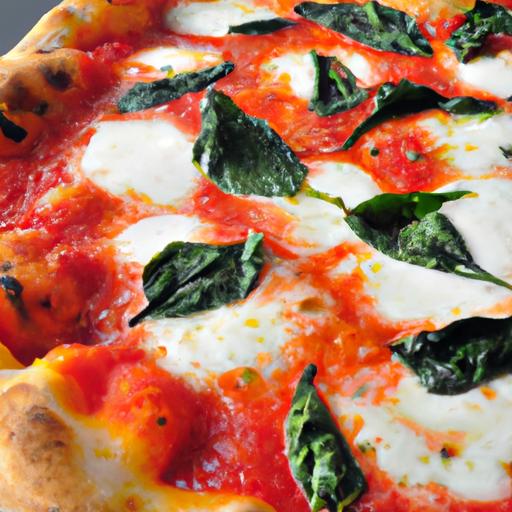

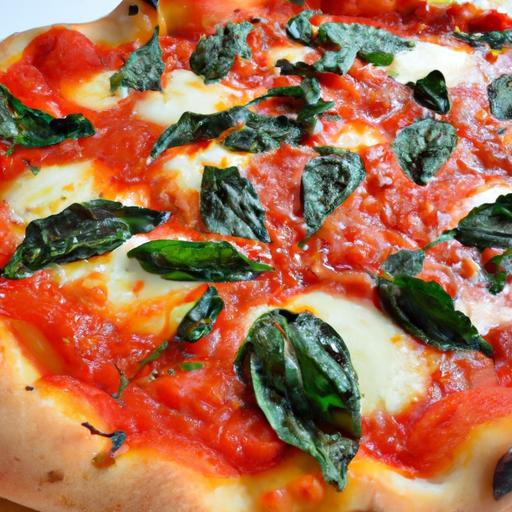
There’s a certain enchantment woven into the simple folds of a Margherita pizza-an iconic culinary masterpiece that captures the essence of Italy in every bite. With its vibrant scarlet tomatoes, creamy mozzarella, fresh basil leaves, and a drizzle of golden olive oil, the Margherita is more than just a pizza; its a flavorful story steeped in history, culture, and tradition. Join us as we embark on a flavorful journey through the origins, ingredients, and enduring appeal of Italy’s classic pizza delight-unraveling the magic behind this timeless symbol of Italian gastronomy.
Margherita Magic is a celebration of simplicity and tradition, weaving together the vibrant colors of Italy’s flag and the rich heritage of Naples, where this iconic pizza was born. legend has it that Queen Margherita of Savoy inspired the creation with toppings resembling the Italian tricolor: fresh basil leaves, mozzarella, and ripe tomatoes atop a golden crust. This classic pizza has captured hearts worldwide for its authentic flavors and timeless appeal,offering an unforgettable taste of Italian culinary artistry.
Prep and cook Time
- Readiness: 20 minutes
- Dough resting and rising: 2 hours
- Cooking: 10-12 minutes
Yield
- Serves 2-3 people (1 pizza, 10-12-inch diameter)
Difficulty Level
- Medium - Ideal for adventurous home cooks ready to master dough making
Ingredients
- For the Dough:
- 2 ¼ teaspoons (1 packet) active dry yeast
- 1 ½ cups warm water (about 110°F/43°C)
- 3 ½ cups all-purpose flour, sifted
- 2 teaspoons fine sea salt
- 2 tablespoons extra virgin olive oil, plus extra for greasing
- For the sauce:
- 1 cup canned San Marzano tomatoes, crushed by hand
- 1 small garlic clove, minced
- 1 tablespoon extra virgin olive oil
- Salt to taste
- Fresh basil chiffonade, a few leaves
- For the Toppings:
- 6 ounces fresh mozzarella di bufala, torn into pieces
- Fresh basil leaves for garnish
- Extra virgin olive oil, for drizzling
- Freshly ground black pepper (optional)
Instructions
- Activate the yeast: in a small bowl, dissolve the yeast in warm water. Let it bloom until foamy, about 5 minutes, signaling the yeast is active and alive.
- Mix the dough: In a large bowl, combine the sifted flour and salt. Gradually pour in the yeast mixture and olive oil, stirring until a shaggy dough forms.
- Knead: turn dough onto a floured surface and knead for 8-10 minutes until it becomes smooth, elastic, and slightly tacky but not sticky. You’ll feel it transform under your hands.
- Let it rise: Lightly oil a clean bowl, place the dough inside, cover with a damp cloth or plastic wrap, and let it rise in a warm spot for about 1-2 hours, until it doubles in size.
- Prepare the sauce: While the dough rests,gently mix crushed San Marzano tomatoes with minced garlic,olive oil,salt,and basil.Keep it rustic-no cooking needed-to preserve radiant, fresh flavors.
- Shape the dough: Once risen, punch down the dough and place it on a lightly floured surface. Stretch and shape it into a 10-12 inch circle, being careful not to deflate the air bubbles, which create that characteristic lightness.
- Preheat your oven: Place a pizza stone or baking sheet inside and heat to 475°F (245°C) for at least 30 minutes to mimic authentic brick oven conditions.
- Assemble: Transfer the dough to a floured pizza peel or parchment paper. Spread a thin layer of sauce evenly over the surface, leaving a small border. Scatter torn mozzarella evenly on top and dot with fresh basil leaves.
- Bake: Slide the pizza onto the preheated stone or baking sheet. Bake for 10-12 minutes until the crust is golden and blistered,and the cheese is melted and bubbling. Watch closely as timing may vary with your oven.
- Finish and serve: Remove pizza, drizzle with extra virgin olive oil, add fresh basil leaves, and season lightly with black pepper if desired. slice and enjoy the burst of classic Italian flavors.
Tips for Success
- Flour choice: 00 flour yields the most authentic Neapolitan crust, but all-purpose is a great accessible substitute.
- Cold fermentation: For deeper flavor complexity, refrigerate the dough for 24 hours after the first rise and bring to room temperature before shaping.
- Mozzarella prep: Drain excess moisture from mozzarella by patting it with paper towels to avoid soggy pizza.
- Oven alternatives: A pizza stone or steel offers the best heat retention, but a preheated inverted baking sheet works excellently if you don’t have one.
- Make-ahead sauce: Store leftover sauce refrigerated up to 3 days or freeze portions for up to 2 months, perfect for quick pizza nights.
Serving Suggestions
- Serve instantly on a rustic wooden board to enhance the visual allure of the golden crust and vibrant toppings.
- Add a light drizzle of aged balsamic vinegar for an unexpected sweet-tart contrast.
- Pair with a crisp Italian white wine, such as a Vermentino or frascati, to complement the fresh ingredients.
- Offer a side of arugula salad dressed with lemon and olive oil to balance the richness.
| Nutrient | Per Serving |
|---|---|
| Calories | 420 |
| Protein | 18g |
| Carbohydrates | 50g |
| Fat | 14g |

To dive deeper into the art of Italian pizza making, explore our article on Perfecting Homemade Pizza Dough or learn about traditional ingredients on Italy Magazine.
Q&A
Q&A: Margherita Magic – exploring Italy’s Classic Pizza Delight
Q1: What makes Pizza Margherita so iconic in Italian cuisine?
A1: Pizza Margherita is the quintessential symbol of Italian culinary tradition. Its simplicity-a harmonious blend of fresh tomatoes, creamy mozzarella, fragrant basil, a drizzle of olive oil, and a golden, blistered crust-embodies the colors of the Italian flag and the heart of Naples. This pizza captures Italy’s passion for quality ingredients and timeless flavors.
Q2: Where did Pizza Margherita originate?
A2: Legend has it that Pizza Margherita was born in Naples in 1889 when Queen Margherita of Savoy visited the city. Chef Raffaele esposito crafted a pizza resembling the Italian flag, featuring red tomatoes, white mozzarella, and green basil. The queen’s delight sealed Margherita’s place in pizza history as a royal favorite and a national treasure.
Q3: How is a traditional Margherita pizza made?
A3: Crafting a true Margherita begins with a wood-fired oven, creating a characteristic charred yet chewy crust. Fresh San Marzano tomatoes are crushed into a vibrant sauce, spread over hand-stretched dough.Generous slices of fresh mozzarella di bufala are arranged atop, followed by fresh basil leaves and a final flourish of extra virgin olive oil-simplicity at its best.
Q4: What sets Margherita apart from other pizzas?
A4: Unlike heavily topped or processed pizzas,Margherita’s magic lies in restraint and authenticity. It’s not about piling on ingredients; it’s about celebrating the purity of each component. Every bite is a balanced interplay of sweet tomato, creamy mozzarella, herbal freshness, and the smoky char of perfectly baked dough.
Q5: Can Margherita pizza be adapted for modern tastes?
A5: Absolutely! While purists cherish tradition, creative chefs experiment by adding heirloom tomatoes, burrata cheese, or heirloom basil varieties. Some even infuse the crust with herbs or garlic, or drizzle aged balsamic. Yet, despite modern twists, the soul of Margherita remains its elegant simplicity.Q6: Why does Margherita continue to captivate pizza lovers worldwide?
A6: In an era of culinary complexity, Margherita pizza is a breath of fresh, fragrant air-a reminder that great food doesn’t need to be complex. Its timeless appeal rests in the perfect marriage of elemental flavors that celebrate italy’s rich heritage and the joy of honest, soulful cooking.Q7: where can one experience the most authentic margherita pizza?
A7: For the purist, Naples is the pilgrimage site, where centuries-old pizzerias still fire up wood ovens and serve Margherita pizza as it was meant to be.However, artisan pizzerias worldwide now embrace the craft, spreading Margherita’s magic across continents while honoring its legendary roots.
Discovering Margherita is like tasting the essence of italy itself-simple, vibrant, and irresistibly pure. Whether enjoyed in Naples or your own kitchen, this classic pizza delight continues to enchant palates and inspire pizza lovers everywhere.
The Conclusion
As the last bite of Margherita pizza melts away, it’s clear that this simple yet sublime creation is more than just a dish-it’s a delicious testament to Italy’s rich culinary heritage. From its humble origins in Naples to its place on tables worldwide,the Margherita embodies a perfect harmony of fresh ingredients and passionate craftsmanship. Whether you savor it in a bustling pizzeria or recreate it in your own kitchen, the magic of Margherita pizza continues to inspire and delight. So next time you crave a slice of Italy, remember: sometimes, the simplest flavors tell the most enchanting stories.