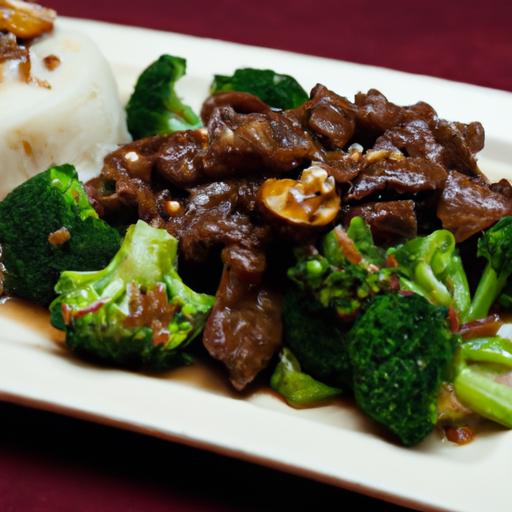

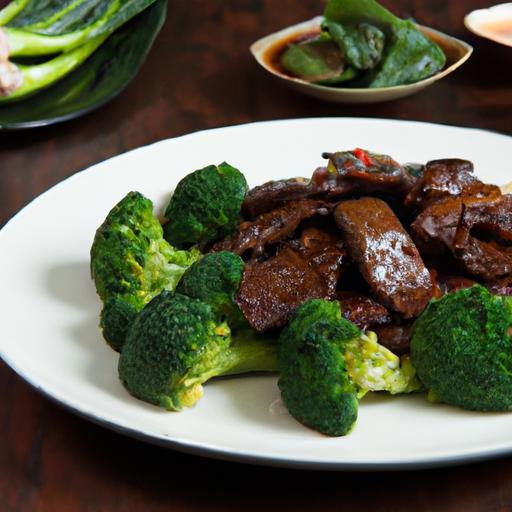
In the vibrant tapestry of Asian cuisine, few dishes capture the heart and palate quite like Mongolian Beef & Broccoli. This flavorful classic, often admired for its harmonious blend of tender beef, crisp broccoli, and savory-sweet sauce, has become a beloved staple in kitchens and restaurants around the world. But beyond its mouthwatering appeal lies a rich story of culinary tradition and innovation. Join us as we unveil the secrets behind mongolian Beef & Broccoli-exploring its origins, iconic flavors, and tips to recreate this tasty dish at home. Whether you’re a seasoned foodie or a curious beginner, prepare to embark on a flavorful journey that celebrates one of Asia’s most cherished favorites.
Mongolian Beef & Broccoli captures the essence of Asian home cooking with its harmonious balance of tender,caramelized beef and bright,crisp broccoli bathed in a savory,subtly sweet sauce. originating from the vibrant street food markets of Taiwan rather than conventional Mongolia,this dish has become a beloved staple for its comforting flavors and approachable ingredients. The beauty lies in the contrast of textures and the depth of umami unlocked through a few essential ingredients, making it perfect for any weeknight meal or special occasion.
Prep and Cook Time
- Planning: 15 minutes
- Cooking: 20 minutes
- Total time: 35 minutes
Yield
Serves 4 generously
Difficulty Level
Easy to Medium – Perfect for home cooks ready to explore authentic Asian flavors with confidence
key Ingredients That Bring This Asian Classic to Life
- Flank steak or sirloin beef (8 oz thinly sliced) – tender and fast-cooking for ideal texture
- Broccoli florets (3 cups) – blanched briefly for vibrant color and crunch
- Soy sauce (½ cup) – the salty umami backbone, opt for a naturally brewed, dark soy sauce
- Brown sugar (¼ cup) – essential for that signature sweet balance
- Garlic (3 cloves, minced) – aromatic punch that elevates every bite
- Ginger (1 tbsp fresh, grated) – adds freshness and warmth
- Hoisin sauce (2 tbsp) – enhances richness and adds complexity
- Cornstarch (3 tbsp) – for crisping the beef and thickening the sauce
- Vegetable oil (3 tbsp) – high smoke point for searing
- Green onions (2 stalks, sliced) – final fresh garnish to brighten the dish
- Sesame oil (1 tsp) – a fragrant finish that ties the flavors together
Step by Step Guide to Perfectly Balanced Sauce and Texture
- Prepare the beef: Thinly slice the flank steak against the grain to ensure tenderness. Toss the slices in 2 tablespoons of cornstarch until each piece is evenly coated. This step creates a delicate crust when cooked.
- Blanch the broccoli: Bring a pot of salted water to a boil and plunge the broccoli florets for 1-2 minutes until they turn bright green and are just tender. Immediately transfer to an ice bath to halt cooking and preserve the vivid color.
- Mix the sauce: In a bowl, whisk together soy sauce, brown sugar, hoisin sauce, minced garlic, and grated ginger. The sugar will balance the salty soy while hoisin adds a savory punch.
- Sear the beef: Heat vegetable oil in a large skillet or wok over high heat. Add the beef in a single layer,cooking for 2-3 minutes without stirring to develop a caramelized crust. Flip and cook another 1-2 minutes until just cooked through. Remove and set aside.
- Thicken the sauce: Reduce heat to medium, add the sauce mixture to the pan, and bring to a gentle simmer. Stir 1 tablespoon of cornstarch with 2 tablespoons of cold water to create a slurry; gradually pour into the sauce, stirring constantly until it thickens and becomes glossy.
- Combine beef and broccoli: Return the beef and broccoli to the pan, tossing everything together until well coated and heated through. Drizzle the sesame oil over the top for that final fragrant accent.
- Garnish and serve: Sprinkle sliced green onions on the dish and serve immediately with steamed jasmine rice or noodles for a complete meal.
Chef’s Notes and Tips for Success
- Beef Choice: Flank steak is ideal, but sirloin or skirt steak works just as well – the key is slicing thinly against the grain.
- Prevent sogginess: Avoid overcrowding the pan when searing beef; work in batches if necessary for maximum caramelization.
- Make-ahead: The sauce can be prepared 1 day in advance; store in the fridge and whisk before cooking.
- Broccoli alternatives: Swap with Chinese broccoli (gai lan) or snap peas for variety and a slight crunch difference.
- Adjust sweetness: Depending on your soy sauce’s saltiness, tweak the brown sugar to your taste.
Creative Twists and Serving Suggestions to Elevate your dish
For a unique version of Mongolian Beef & Broccoli, try incorporating toasted sesame seeds or a handful of roasted cashews for added texture. Swap in red bell pepper strips or shiitake mushrooms alongside broccoli to introduce vibrant color and earthiness.
Instead of traditional steaming, serve this dish over garlic fried rice or toss it with fresh rice noodles for a delightful variation. Garnish with fresh cilantro and a squeeze of lime to add a zesty brightness that complements the deep umami flavors.
For an extra punch, a drizzle of chili oil or sriracha can elevate the dish with subtle heat, transforming this classic into a bold, irresistible meal.

| Nutrient | Per Serving |
|---|---|
| Calories | 380 kcal |
| Protein | 36 g |
| Carbohydrates | 18 g |
| Fat | 14 g |
For readers looking to dive deeper into Asian-inspired dishes, explore our Asian Stir-fry Basics Guide to master quick and flavorful meals every time. For detailed history and ingredient insights, check the extensive overview at serious Eats.
Q&A
Q&A: Mongolian Beef & Broccoli – A Flavorful Asian Classic Unveiled
Q1: What exactly is Mongolian Beef & Broccoli?
A1: mongolian Beef & Broccoli is a beloved Asian-inspired dish known for its tender slices of beef and crisp broccoli florets, all coated in a luscious, savory sauce. Despite its name, this dish doesn’t hail directly from Mongolia; rather, it’s a creation of chinese-American cuisine, crafted to harmonize rich flavors and satisfying textures.
Q2: Why is it called “Mongolian” beef if it’s not from Mongolia?
A2: The “Mongolian” moniker is a bit of culinary whimsy often attributed to American-Chinese restaurants.It likely references the bold, hearty flavors thought to evoke the rugged spirit of Mongolian nomads-though the recipe itself is an inventive take on traditional Chinese cooking rather than an authentic Mongolian dish.
Q3: What are the key ingredients that make this dish so special?
A3: The magic lies in the marriage of juicy, thinly sliced beef (usually flank or sirloin), tender-crisp broccoli, and a smoky, slightly sweet sauce made from soy sauce, garlic, ginger, brown sugar, and sometimes hoisin or oyster sauce. The interplay of savory, sweet, and umami notes delivers a memorable taste experience.
Q4: How is Mongolian Beef & Broccoli typically prepared?
A4: Quick and efficient is the name of the game. Thin beef strips are marinated briefly,then stir-fried at high heat for a caramelized exterior and juicy interior. Broccoli is blanched or stir-fried until bright green and crisp. The sauce is created by reducing a flavorful mixture until glossy and thick, then everything is tossed together just before serving.
Q5: Can this dish be made at home easily?
A5: Absolutely! With just a handful of ingredients and a good wok or skillet, home cooks can recreate this restaurant favorite. The key is to prepare all components beforehand – a technique called mise en place – and cook quickly over high heat to preserve texture and flavor.
Q6: Are there any common variations to this classic?
A6: Definitely! Some versions swap broccoli for bok choy, snap peas, or bell peppers. Vegetarians sometimes replace beef with tofu or seitan, while others might add a spicy kick with chili flakes or sriracha. the sauce can be adjusted to taste, leaning sweeter or saltier depending on preference.
Q7: What makes Mongolian Beef & Broccoli a timeless favorite?
A7: It strikes a perfect balance – juicy meat, fresh greens, and a sauce that’s rich but not overpowering. It’s comforting yet elegant, simple yet sophisticated, making it a go-to dish for weeknight dinners and special occasions alike.
Q8: How can one enjoy Mongolian Beef & Broccoli beyond the plate?
A8: Pair it with steamed jasmine rice or fluffy noodles to soak up the sauce. For an extra touch, sprinkle with toasted sesame seeds or chopped scallions. Its bold flavors also inspire fusion tweaks,from wraps to rice bowls,letting your creativity roam while honoring an Asian classic.
The Way Forward
As the rich, savory notes of Mongolian beef mingle with the tender crunch of broccoli, this beloved dish reveals much more than just a satisfying meal-it offers a glimpse into the harmonious balance that defines Asian cuisine. Whether you’re savoring it in a bustling city restaurant or recreating it in your own kitchen, Mongolian Beef & Broccoli stands as a timeless testament to flavor, tradition, and culinary artistry. So next time hunger calls, let this classic dish guide you on a delicious journey that’s as vibrant and comforting as the culture it celebrates.