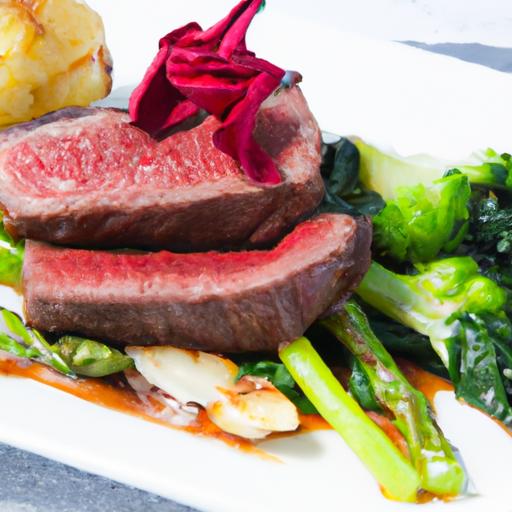

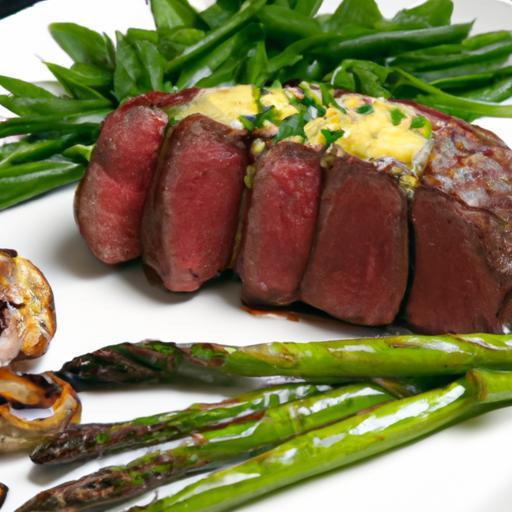
There’s something undeniably majestic about a beautifully cooked beef tenderloin-the tender, juicy center, the rich, savory crust, the way it effortlessly steals the spotlight at any dining table. Yet, achieving that flawless harmony of texture and flavor can feel like an elusive art form, reserved for seasoned chefs or lucky home cooks. But what if unlocking the secrets to the perfect beef tenderloin were less about chance and more about understanding? In this article, we’ll embark on a culinary journey through the science, techniques, and tips that transform a simple cut of meat into a show-stopping centerpiece, ensuring that every slice is nothing short of perfection. Whether you’re a passionate foodie or an aspiring kitchen maestro, get ready to elevate your cooking game and impress with confidence.
Unlocking the secrets of perfectly cooked beef tenderloin begins with understanding how to select the ideal cut for tenderness and flavor, alongside mastering precise temperature control and impeccable resting and carving techniques.This prized cut,renowned for it’s buttery texture and mild yet rich taste,can elevate any dining experiance when handled with care and a touch of culinary artistry.
Prep and Cook Time
- Readiness: 20 minutes
- Cooking: 45 minutes
- Resting Time: 15 minutes
Yield
Serves 4-6 elegantly portioned servings
Difficulty Level
Medium – requires attentive temperature control and resting technique
ingredients
- 1 (2 to 2.5 pounds) whole beef tenderloin, trimmed and trimmed
- 2 tablespoons olive oil
- 4 cloves garlic, minced
- 1 tablespoon fresh rosemary, finely chopped
- 1 tablespoon fresh thyme, finely chopped
- 1 teaspoon kosher salt
- ½ teaspoon freshly ground black pepper
- 2 tablespoons unsalted butter
- Optional: ¼ cup red wine or beef broth for pan sauce
Instructions
- Selecting and Preparing the Cut: Ensure your beef tenderloin is evenly trimmed, removing silver skin and excess fat. this helps the meat cook uniformly, enhancing tenderness and flavor.
- Season the tenderloin: Rub the beef all over with olive oil, minced garlic, rosemary, thyme, kosher salt, and black pepper. Allow it to rest at room temperature for 30 minutes to absorb flavors and promote even cooking.
- Preheat Your Oven: Set to 425°F (220°C). A hot oven seals in juices quickly for a tender interior.
- Initial Sear: Heat a heavy cast-iron skillet over medium-high heat. Add butter,then sear the tenderloin on all sides until a deep golden-brown crust forms-about 3 minutes per side. This caramelization locks in flavor.
- Roasting: Transfer the skillet to the preheated oven. Roast the beef tenderloin until the internal temperature reaches 125°F (52°C) for medium-rare,typically 25-30 minutes. insert an instant-read thermometer into the thickest part for accurate results.
- Resting: Remove the tenderloin from the oven and tent loosely with foil. Rest for at least 15 minutes. This crucial step allows juices to redistribute, preserving moisture and tenderness.
- Carving: Using a sharp chef’s knife, slice the tenderloin into 1-inch thick medallions. Cut against the grain to maximize tenderness and an appealing presentation.
- Optional Pan Sauce: While resting, place the skillet back on medium heat, add red wine or beef broth to deglaze, scraping fond bits from the pan. Reduce by half and drizzle over sliced tenderloin for an elevated flavor profile.
tips for Success
- Choosing the Cut: Opt for a center-cut tenderloin, often labeled “filet mignon” ends, for uniform thickness and consistent doneness.
- temperature Mastery: Use a quality instant-read thermometer for precision; remember, carryover heat will raise the internal temperature by 5°F during resting.
- Seasoning Creativity: Beyond classic herbs, experiment with smoked paprika or Dijon mustard rubs to infuse unique layers of flavor.
- Make-Ahead: Season the tenderloin up to 24 hours ahead and refrigerate uncovered for a dry brine effect, intensifying flavor and improving crust formation.
- Troubleshooting: Overcooking leads to dryness; pulling the meat at 125°F and resting prevents this common pitfall.
Serving Suggestions
Arrange the tenderloin medallions on a warm platter, garnished with sprigs of fresh rosemary or thyme.Serve alongside creamy mashed potatoes or a vibrant roasted vegetable medley. A drizzle of rich red wine reduction or balsamic glaze adds an elegant finish, while a sprinkle of flaky sea salt on top accentuates each bite. For a fresh contrast, a simple arugula salad with shaved Parmesan and lemon vinaigrette complements the rich beef beautifully.

Nutritional Information (per serving)
| Calories | Protein | Carbs | Fat |
|---|---|---|---|
| 350 | 45g | 2g | 18g |
For more on mastering beef cuts and cooking techniques, explore our detailed guide to Butchery Basics. To deepen your knowledge of food science behind meat cooking, visit Serious Eats, a trusted authority on culinary techniques.
Q&A
Q&A: Unlocking the Secrets of Perfectly Cooked Beef Tenderloin
Q1: What makes beef tenderloin such a prized cut?
A1: Beef tenderloin is the superstar of steaks-ultra-tender, lean, and remarkably buttery in texture. It comes from the loin, an area that doesn’t get much exercise, which means the muscle fibers are fine and tender. Its subtle flavor and melt-in-your-mouth quality make it a favorite for special occasions and gourmet meals.
Q2: Why is cooking beef tenderloin perfectly such a challenge?
A2: Its leanness is a double-edged sword. without much fat marbling, it can easily dry out or become tough if overcooked. At the same time,undercooking leaves you with a cool,raw center that some diners find unappealing. Achieving that precise balance of heat and time is key to highlight its delicate texture and flavor.
Q3: How do I prepare the beef tenderloin before cooking?
A3: Start by bringing the beef tenderloin to room temperature-about 30 to 60 minutes outside the fridge. This ensures even cooking. Season generously with salt and freshly cracked black pepper; you can also rub in herbs like rosemary or thyme, or a touch of garlic for an aromatic edge. Pat the surface dry to get a perfect sear later.
Q4: What cooking methods work best for beef tenderloin?
A4: Searing followed by roasting is the gold standard. The sear locks in flavor and creates a beautiful crust, while gentle roasting finishes the inside to your preferred doneness. Sous vide is another excellent technique-it’s like having a precision temperature control wizard in your kitchen, delivering consistent, succulent results every time.Q5: How do I know when the beef tenderloin is cooked perfectly?
A5: Use a meat thermometer-it’s your best friend here. Aim for an internal temperature of 125°F (52°C) for rare, 135°F (57°C) for medium-rare, and 145°F (63°C) for medium. Remember: after taking it out of the oven, tent it with foil and let it rest for 10-15 minutes. This resting period allows juices to redistribute, making every bite juicy and tender.
Q6: Are there any secret tips to elevate the flavor even further?
A6: Absolutely! Baste the tenderloin with butter,garlic,and fresh herbs during the last minutes of searing or roasting to infuse it with richness. For an extra layer of flavor, consider marinating briefly in a blend of olive oil, herbs, and a splash of red wine or balsamic vinegar. And don’t overlook the power of a finishing sprinkle-sea salt flakes just before serving can add that satisfying crunch and flavor pop.
Q7: What sides pair best with perfectly cooked beef tenderloin?
A7: Think classic and complementary-creamy mashed potatoes, roasted root vegetables, or a tangy chimichurri sauce to cut through the richness. A fresh green salad with a zesty vinaigrette also balances the plate beautifully, helping to round out the experience.Q8: Any common mistakes to avoid?
A8: The biggest pitfalls are rushing the cooking process and skipping the resting step. Also, under-seasoning or over-seasoning can dull or overpower the natural beauty of the tenderloin. cutting into the meat too soon after cooking leads to precious juices running onto the cutting board rather than staying inside the meat.
Unlocking the secrets to perfectly cooked beef tenderloin is less about luck and more about careful attention-respecting the cut’s delicate nature and embracing techniques that enhance its natural magic. With these insider tips, your next tenderloin will be a showstopper, juicy and tender with every bite!
Closing Remarks
As you close the chapter on your journey to mastering beef tenderloin, remember that the perfect cut is as much about intuition as it is technique. Each tender slice tells a story of careful seasoning, precise heat, and a patient watchfulness that transforms simple ingredients into an extraordinary experience. By unlocking these secrets, you don’t just cook a meal-you craft a moment that lingers, rich with flavor and satisfaction. So, whether you’re a seasoned chef or a curious home cook, let your next beef tenderloin be a culinary masterpiece, born from knowledge, care, and a touch of passion. Happy cooking!