
When it comes to fueling your fitness journey, the right nutrition can make all the difference.Enter salmon-a vibrant, nutrient-dense powerhouse that’s as versatile as it is delicious. Packed with heart-healthy omega-3s, high-quality protein, and essential vitamins, salmon isn’t just a meal; it’s a performance booster on a plate. Whether you’re sculpting muscle, recovering from intense workouts, or simply striving for overall wellness, these power-packed salmon recipes are designed to elevate your energy, enhance your strength, and keep your taste buds energized along the way. Dive in and discover how this superfish can transform your fitness goals into flavorful achievements.
Power-Packed Salmon Recipes to Boost Your Fitness Goals begin with understanding the incredible nutritional benefits that make salmon a top favorite among health enthusiasts and athletes alike. Rich in omega-3 fatty acids, high-quality protein, and an array of vitamins and minerals, salmon is truly a nutritional powerhouse that supports muscle recovery, reduces inflammation, and fuels sustained energy. Whether you’re coming off a tough workout or meal prepping for a busy week, learning creative cooking techniques can help you retain these vital nutrients while maximizing flavor in every bite.
Prep and Cook Time
- Planning: 10 minutes
- Cooking: 15 minutes
- Total Time: 25 minutes
Yield
- Serves 2
Difficulty Level
- Easy
Ingredients
- 2 salmon fillets (6 oz each, skin-on for extra crispiness)
- 1 tbsp olive oil (extra virgin for richness)
- 1 lemon, thinly sliced
- 2 cloves garlic, minced
- 1 tsp smoked paprika
- 1 tsp fresh thyme leaves
- Salt and freshly ground black pepper, to taste
- 1 cup quinoa, cooked (for serving)
- 1 cup steamed broccoli florets (or seasonal greens)
- Optional garnish: fresh dill and lemon wedges
Instructions
- Prepare the salmon: Pat the fillets dry with paper towels to ensure a crispy skin. season both sides generously with salt, pepper, and smoked paprika.
- Heat the pan: Warm olive oil in a non-stick skillet over medium-high heat until shimmering but not smoking.
- Cook skin-side down: Place salmon fillets skin-side down in the pan. Press gently with a spatula to prevent curling. Sauté for 6-7 minutes until the skin is golden brown and crisp.
- Flip carefully: Turn the fillets over using a spatula.Add minced garlic, fresh thyme, and lemon slices around the fish. Sauté for another 3-4 minutes, spooning some infused oil and juices over the top, until the salmon is opaque but moist inside.
- Rest and serve: Remove from heat and let rest for 2 minutes. This allows the flavors to settle and juices to redistribute.
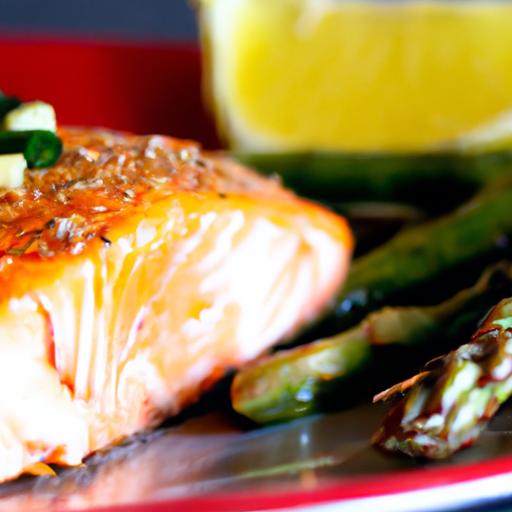
- Plate your meal: Serve salmon atop a bed of fluffy quinoa with steamed broccoli on the side. Garnish with fresh dill and additional lemon wedges for a vibrant finishing touch.
Tips for Success
- Skin-on salmon delivers texture and locks in moisture, but if you prefer skinless, adjust cooking time to avoid overcooking.
- For enhanced nutrient retention, opt for steaming or gentle pan-searing instead of grilling at high heat.
- Marinate briefly (10-15 minutes) in lemon juice,olive oil,and herbs for an extra burst of freshness and tender flesh.
- Meal prep hack: Cook a larger batch of salmon and quinoa,then portion into airtight containers for swift post-workout meals throughout the week.
- Customize the sides: Rotate steamed vegetables or use brown rice, wild rice, or couscous to keep your meals exciting and nutrient-diverse.
serving Suggestions
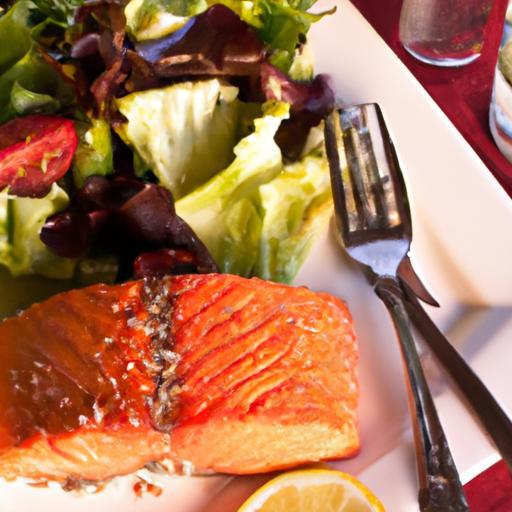
Present your salmon fillets on a clean white plate to highlight the rich colors of the fish and vibrant lemon slices. A sprinkle of radiant green dill and a wedge of lemon adds freshness and visual appeal. Drizzle a little extra virgin olive oil or a homemade herb vinaigrette over quinoa to tie the flavors together. Pair with a chilled glass of sparkling water infused with cucumber slices or a light white wine for a refreshing contrast.
| Nutrition | Per Serving |
|---|---|
| Calories | 420 kcal |
| Protein | 40 g |
| Carbohydrates | 25 g |
| Fat | 18 g (mostly healthy fats) |

For further inspiration on nutrient-dense meals, explore our Healthy Protein-Packed Meal Prep ideas. To understand more about salmon’s health benefits, the Healthline Salmon Nutrition Guide is an excellent resource to deepen your knowledge.
Q&A
Q&A: Power-Packed Salmon Recipes to Boost Your Fitness Goals
Q1: Why is salmon considered a superfood for fitness enthusiasts?
A: Salmon is a powerhouse of nutrition, loaded with high-quality protein essential for muscle repair and growth. Plus, it’s brimming with omega-3 fatty acids, which help reduce inflammation, support heart health, and enhance brain function-key factors for anyone striving to optimize performance and recovery.
Q2: What are the best cooking methods to retain salmon’s nutrients?
A: To keep salmon’s nutrients intact, opt for gentle cooking methods like baking, steaming, or poaching. Grilling works well, too, but avoid overcooking to preserve the healthy fats and tender texture. Quick pan-searing with minimal oil also seals in flavor without compromising nutrition.
Q3: How can I make salmon recipes more fitness-friendly and delicious?
A: Incorporate fresh, nutrient-dense ingredients like leafy greens, quinoa, sweet potatoes, and vibrant herbs. Use zesty marinades with lemon, garlic, and ginger for flavor without added sugars or unhealthy fats. Also, experiment with spice blends for a metabolism-boosting kick!
Q4: Can salmon help with weight loss or muscle gain?
A: Absolutely! Its protein content boosts satiety, helping curb cravings and support fat loss, while providing the building blocks needed for lean muscle progress. Omega-3s further enhance muscle protein synthesis and reduce muscle soreness, making salmon a stellar ally for your fitness journey.
Q5: What’s a quick, power-packed salmon recipe for busy days?
A: Try a simple sheet-pan salmon: place skin-on fillets on a baking tray with chopped veggies like bell peppers, broccoli, and cherry tomatoes. Drizzle with olive oil, sprinkle with smoked paprika and sea salt, then bake at 400°F (200°C) for 15-20 minutes. It’s effortless, nutritious, and perfectly balanced.
Q6: How frequently enough should I include salmon in my weekly diet for fitness benefits?
A: Aim for about two to three servings per week. This frequency ensures a steady intake of omega-3s and protein without overwhelming your diet. Variety is key, so mix in other lean proteins and plant-based foods to create a well-rounded, fitness-fueling meal plan.
Q7: Are there any tips for selecting the best salmon?
A: Look for wild-caught salmon whenever possible-it tends to have higher omega-3 levels and fewer contaminants. fresh fillets should have vibrant color, firm flesh, and a mild scent. If fresh isn’t available, frozen salmon is a great choice and often flash-frozen to lock in nutrients.
Q8: Can salmon recipes be adapted for plant-based diets?
A: While salmon itself isn’t plant-based, you can mimic its nutritional benefits by pairing plant proteins like lentils or chickpeas with omega-3-rich flaxseeds or walnuts. Some creative recipes use smoked carrots or mushrooms to replicate salmon’s texture and flavor, offering a thoughtful nod to its fitness qualities.
With these answers, you’re now armed to cook up some rep-boosting, energy-fueling salmon dishes that align perfectly with your fitness aspirations!
Closing Remarks
Whether you’re fueling up before a tough workout or refueling afterward, these power-packed salmon recipes are your perfect fitness allies. Rich in omega-3s, protein, and essential nutrients, salmon doesn’t just satisfy your taste buds – it elevates your performance and recovery. By incorporating these vibrant, flavorful dishes into your meal plan, you’re not only nourishing your body but also turning every bite into a step closer to your fitness goals. So grab your fork, savor the goodness, and let salmon be the secret ingredient in your journey to a stronger, healthier you.