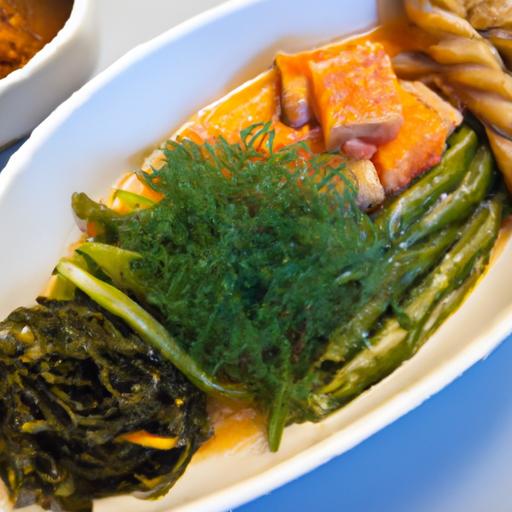

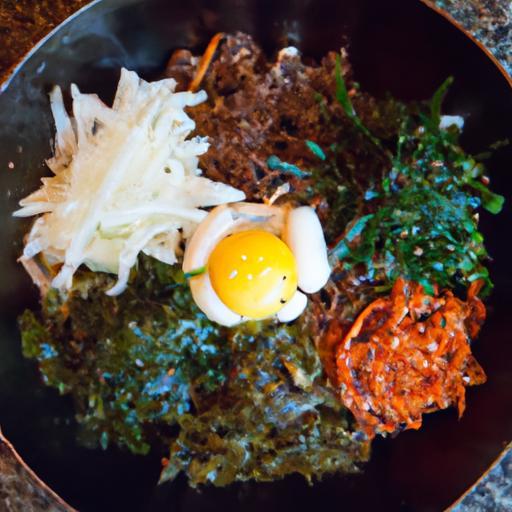
In the vibrant tapestry of global cuisine, Korean food stands out as a dazzling blend of bold flavors, rich history, and cultural importance. From the fiery depths of kimchi to the savory comfort of bibimbap,each dish tells a story that transcends the palate and invites you on a sensory journey through Korea’s culinary landscape. “Savor the Flavors: Exploring Iconic Korean Dishes Unveiled” delves into the heart of Korea’s most beloved foods, uncovering the traditions, ingredients, and techniques that make them truly unforgettable. Whether you’re a seasoned foodie or a curious newcomer, prepare to embark on an appetizing adventure that celebrates the essence of Korea-one bite at a time.
Mastering the Art of Kimchi and Its Diverse Regional variations
Savor the Flavors of Korean cuisine begins with an essential and deeply cherished staple-kimchi.This iconic fermented side dish not only dominates Korean dining tables but also carries a captivating legacy of survival, culture, and innovation through its myriad regional variations. Whether you’re a seasoned fermented food lover or a curious newcomer, mastering kimchi is a tasty way to connect with Korea’s rich culinary tapestry.
Prep and Cook Time
- Readiness: 30 minutes (plus 6 to 24 hours for salting and soaking cabbage)
- Fermentation: 2 to 7 days (depending on room temperature and desired flavor)
Yield
- Approximately 4 cups (serves 4 as a side dish)
Difficulty Level
- Medium – requires patience and attention to fermentation timing
Ingredients
- 1 medium Napa cabbage (about 2 lbs), quartered and rinsed
- 1/2 cup coarse sea salt (for salting cabbage)
- 5 cups cold water
- 1 cup Korean radish (mu), julienned
- 4 scallions, chopped into 2-inch pieces
- 1/4 cup Korean red chili flakes (gochugaru) – adjust for spiciness
- 5 garlic cloves, minced
- 1 tablespoon fresh ginger, minced
- 2 tablespoons fish sauce (or soy sauce for vegan variation)
- 1 teaspoon sugar
- 3 tablespoons sweet rice flour (optional, for paste consistency)
- 1/2 cup water (for rice flour paste, optional)
Instructions
- Prepare the cabbage: In a large bowl, sprinkle the coarse sea salt evenly between the layers of quartered cabbage. Pour 5 cups of cold water over the cabbage,press down,and cover with a weighted plate or clean kitchen towel. Let it soak for 6 to 8 hours, turning the cabbage once halfway to ensure even salting. This wilts the cabbage and draws out moisture.
- Rinse and drain: Thoroughly rinse the cabbage multiple times under cold running water to remove excess salt. Drain well and set aside.
- Make the chili paste (kimchi paste): If using sweet rice flour paste, combine 3 tablespoons sweet rice flour with 1/2 cup water in a small pot. Cook over medium heat, stirring constantly untill it thickens to a porridge-like texture. Cool wholly.
- Mix the seasoning: In a bowl, combine the gochugaru, minced garlic, ginger, fish sauce, sugar, and cooled rice flour paste (if using).Adjust seasoning to balance heat and saltiness.
- Incorporate vegetables: Add the julienned radish and chopped scallions to the chili paste. Mix until all vegetables are thoroughly coated.
- Combine with cabbage: wearing kitchen gloves, gently spread the chili paste mixture between each leaf of the cabbage quarters. Make sure all layers are evenly coated with the vibrant red paste.
- Pack and ferment: Tightly pack the kimchi into a clean, airtight jar or container, pressing down to remove air pockets. Leave some space at the top to allow for expansion. Seal and leave at room temperature for 1 to 2 days, then transfer to the refrigerator.The flavor will develop as it ferments.
Chef’s Notes
- Regional twists: Try adding fresh oysters for a southern coastal flavor or substitute fish sauce with salted shrimp for a traditional twist.
- Fermentation control: Ferment longer for sourness or refrigerate early if you prefer a milder crunch.
- Make ahead: kimchi can be made weeks in advance and improves with time, so prepare a batch to enjoy throughout the month.
- Vegan version: Replace fish sauce with soy sauce or seaweed broth to keep the umami without animal products.
- Texture tips: ensure thorough salting to keep the cabbage crisp and avoid mushiness after fermentation.
Serving Suggestions
- Serve chilled as a classic korean side alongside bibimbap, Korean barbecue, or steaming bowls of rice.
- Add chopped kimchi to fried rice or stews (kimchi jjigae) for an instantly flavorful punch.
- Garnish with toasted sesame seeds or thinly sliced scallions for added texture and aroma.
- Pair with grilled meats to contrast rich smoky flavors with the tangy, spicy crunch of kimchi.

| Nutrient | Per 100g |
|---|---|
| Calories | 25 kcal |
| Protein | 1.1 g |
| Carbohydrates | 4.3 g |
| Fat | 0.4 g |
As you embark on your kimchi-making journey, remember this dish embodies a perfect harmony of flavor, culture, and tradition, inviting you to truly savor the flavors of Korean culinary heritage. For deeper insight into Korean fermentation methods, visit the trusted website of Maangchi,a celebrated authority on Korean cooking.
For more inspiration on Korean signature dishes,explore our Korean Barbecue Masterclass article,where marinades and grilling techniques bring the smoky magic to life.
Q&A
Q&A: Savor the Flavors – exploring Iconic Korean Dishes Unveiled
Q1: What does Korean cuisine offer that sets it apart from other Asian culinary traditions?
A1: Korean cuisine is a vibrant tapestry of bold flavors, balancing spicy, sweet, sour, and savory in harmonious ways.Unlike some other Asian cuisines, it frequently enough emphasizes fermentation and layering of tastes-think pungent kimchi, rich gochujang (red chili paste), and the unique depth of doenjang (fermented soybean paste). The communal dining style, with an array of banchan (side dishes), also invites an interactive experience, making each meal a flavor-packed adventure.
Q2: Which Korean dish is a must-try for first-timers, and why?
A2: Bibimbap is the quintessential starter dish-both visually stunning and deliciously complex. Imagine a bowl brimming with warm rice, sautéed veggies, marinated beef (or tofu), topped with a fried egg and a generous dollop of spicy gochujang. Mixed together at the table, it’s an edible mosaic that introduces you to key Korean flavors in a balanced, accessible way.
Q3: How does kimchi embody Korean culinary identity?
A3: Kimchi isn’t just a side dish-it’s a cultural icon symbolizing Korean resilience and creativity. This fermented vegetable dish, mostly made from napa cabbage and radishes, boasts a perfect marriage of tangy, spicy, and umami notes. Beyond its flavor, kimchi reflects seasonal cycles, preservation techniques, and a centuries-old tradition of communal sharing in Korean households.
Q4: what makes Korean barbecue a unique dining experience?
A4: Korean barbecue transforms eating into a theatrical event. Diners grill marinated or plain cuts of meat over a tabletop charcoal or gas grill, savoring tender, smoky bites fresh off the heat. Wrapped in crisp lettuce with garlic, ssamjang (a spicy dipping sauce), and kimchi, each bite bursts with layers of flavor and texture. It’s as much about the social bonding as it is about the food.
Q5: Can you recommend a lesser-known Korean dish worth exploring?
A5: Try sundubu jjigae,a soft tofu stew that’s warm comfort in a bowl. Silky tofu,spicy broth,vegetables,and a choice of seafood or pork simmer together,frequently enough crowned with a raw egg cracked in just before serving. It’s less internationally famous than kimchi or bulgogi but embodies the soulful, hearty essence of Korean home cooking.
Q6: How do regional variations influence Korean dishes?
A6: Korea’s geography and climate contribute to regional culinary diversity. Coastal areas favor fresh seafood dishes, while mountainous regions lean toward hearty stews and preserved foods suited for colder weather. As a notable example, Jeonju is famed for its bibimbap variant, rich with unique local toppings, while the southern city of busan is celebrated for spicy seafood stews. Exploring these variations reveals the depth and adaptability of Korean cuisine.
Q7: What role does tradition play in modern Korean cooking?
A7: Tradition is the backbone of Korean cuisine, yet modern chefs continually reinterpret classic recipes with creativity and contemporary flair. Fermentation methods endure,but now mingle with new ingredients and plating styles. This dynamic interplay keeps Korean food deeply rooted yet excitingly innovative, inviting both nostalgia and novel experiences on the palate.
Q8: Where can food lovers start their journey to authentically savor Korean flavors outside Korea?
A8: Look for Korean restaurants that emphasize homemade preparations-places where kimchi is made in-house, and broths simmer for hours. Korean markets and festivals also offer glimpses into authentic tastes.Don’t shy away from street food vendors offering tteokbokki (spicy rice cakes) or hotteok (sweet filled pancakes). These small bites offer a shortcut to Korea’s rich culinary world, no passport needed.
Key Takeaways
As your culinary journey through the vibrant world of Korean flavors comes to a close, the rich tapestry of tastes and traditions lingers on your palate and in your heart. From the spicy warmth of kimchi to the comforting embrace of bibimbap, each dish tells a story steeped in history, culture, and passion. Whether you’re a seasoned gourmand or a curious newcomer, exploring these iconic Korean dishes invites you to savor not just the food, but the vibrant spirit of a remarkable cuisine. So next time you sit down to enjoy a bowl of hearty stew or a platter of sizzling barbecue, remember-every bite is an invitation to experience Korea’s flavorful legacy, one unforgettable taste at a time.