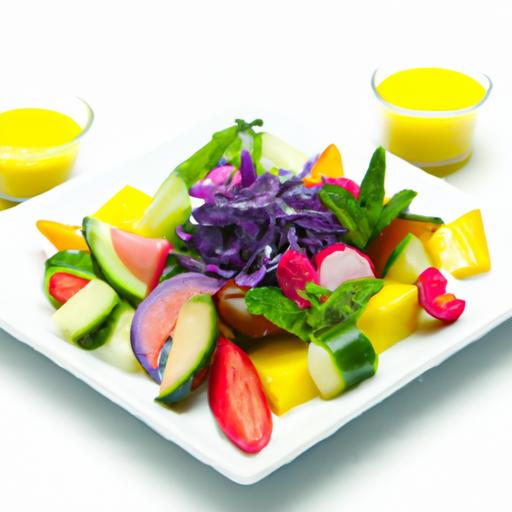
Taste of Tradition: Exploring Timeless Turkish Recipes begins with an thankfulness for the rich tapestry of flavors that define Turkey’s culinary heritage. It is here, at the crossroads of East and West, that simple ingredients transform into remarkable dishes through centuries-old techniques and heartfelt craftsmanship.My journey with Turkish cuisine started in a bustling Istanbul market, where the aroma of freshly ground spices and simmering herbs first awakened my passion. This recipe brings that authentic spirit into your kitchen, inviting you to master a classic with a modern approach that delights every palate.
Prep and Cook Time
Preparation: 25 minutes
Cooking: 40 minutes
Total: 1 hour 5 minutes
Yield
Serves 4
Difficulty Level
Medium – Perfect for both adventurous home cooks and seasoned pros seeking a rewarding project
Ingredients
- 2 cups short-grain rice, rinsed and soaked for 30 minutes
- 1 large onion, finely chopped
- 3 tablespoons olive oil
- 1 teaspoon ground cumin
- 1 teaspoon paprika
- 1/2 teaspoon ground cinnamon
- 1/4 teaspoon freshly ground black pepper
- 1/2 teaspoon salt, adjust to taste
- 3 cups chicken or vegetable broth, warm
- 1 cup diced tomato, drained
- 1/2 cup chopped fresh parsley, plus extra for garnish
- Juice of 1 lemon
- 1/4 cup toasted pine nuts
- Optional: 100g ground lamb or beef for a meaty variation
instructions
- Heat olive oil in a heavy-bottomed skillet or pot over medium heat. Add the finely chopped onion and sauté until translucent and fragrant, about 5 minutes.
- If using meat, add the ground lamb or beef now, breaking it up with a wooden spoon. Cook until browned and cooked through, about 7 minutes.
- Add spices: Stir in cumin, paprika, cinnamon, black pepper, and salt.Toast gently for 1 minute to bloom the aromas.
- Drain the soaked rice and add it to the pot, stirring to coat every grain with the spiced mixture.
- Pour in the warm broth and diced tomato, bring the mixture to a gentle boil, than reduce heat to low. Cover the pot with a tight-fitting lid and simmer quietly for 20 minutes without lifting the lid.
- Turn off the heat and let the rice steam gently for an additional 10 minutes.
- Remove lid, fluff the rice gently with a fork, then stir in chopped parsley and lemon juice for brightness.
- Serve hot,sprinkled with toasted pine nuts and extra parsley for a fragrant garnish.
Chef’s Notes
- For a vegetarian version, substitute the broth with rich homemade vegetable stock and omit the meat.
- To intensify the flavor, lightly toast the rice in the oil before adding liquids.
- Make ahead: Cook the rice base up to step 6, then cool and refrigerate. reheat gently with a splash of broth before serving.
- If pine nuts aren’t available, toasted slivered almonds or walnuts offer a lovely crunch.
- Adjust spice levels by adding a pinch of Aleppo pepper or red chili flakes for a subtle heat.
Serving Suggestions
This dish pairs beautifully with a crisp, cool yogurt sauce infused with garlic and mint or a simple cucumber-and-tomato salad dressed with lemon and olive oil. For a festive touch, serve alongside grilled lamb kebabs or a fresh herb-stuffed flatbread. Garnish with additional chopped parsley and wedges of lemon to brighten each bite and elevate the visual appeal. A drizzle of high-quality pomegranate molasses can add a sublime, tangy contrast for those seeking a creative twist.

| Nutrient | Per Serving |
|---|---|
| Calories | 340 kcal |
| Protein | 8 g |
| carbohydrates | 45 g |
| Fat | 10 g |
For more inspiration and to deepen your culinary expertise, check out our classic Turkish meze collection. For a detailed history and cultural significance of the ingredients used here, visit Britannica’s overview on Turkish Cuisine.
Q&A
Q&A: Taste of Tradition – Exploring Timeless turkish Recipes
Q1: What makes Turkish cuisine so unique and enduring through the ages?
A1: turkish cuisine is a vibrant tapestry woven from centuries of cultural influences-Ottoman grandeur, Central Asian nomads, Mediterranean freshness, and Middle Eastern spices. Its uniqueness lies in the harmonious blend of simple, fresh ingredients and complex cooking techniques, resulting in dishes that are both comforting and exhilarating. This deep-rooted heritage preserves traditions while inviting endless regional variations, making every bite a journey through time.
Q2: Can you name some iconic turkish dishes that embody tradition?
A2: Absolutely! Classics like İskender Kebab-succulent grilled lamb over buttery bread and rich tomato sauce-capture culinary elegance.Mantı, tiny hand-made dumplings filled with spiced meat, served with garlicky yogurt, showcase meticulous craftsmanship. Then there’s Baklava, layers of flaky pastry, nuts, and honey, symbolizing sweetness in both flavor and history. Each dish tells a story passed down through generations.
Q3: How do Turkish home cooks honor tradition in their kitchen today?
A3: Many Turkish home cooks approach cooking as a ritual-measuring not just ingredients but memories. Seasonal, local produce is cherished; fresh herbs like mint, parsley, and dill brighten dishes.Techniques such as slow-cooking stews or hand-rolling pastries are lovingly preserved. Sharing food is an act of community and continuity,ensuring that these recipes live on and evolve within family circles.
Q4: Are there any special holidays or occasions that highlight traditional Turkish recipes?
A4: Indeed,food is central to Turkish celebrations. During Ramadan, the Iftar meal breaks the fast with delicacies like pide (Turkish flatbread) and hearty soups. Weddings frequently enough feature Pilav (rice dishes) and Dolma (stuffed vegetables), symbolizing abundance and hospitality. Even daily tea time brings out sweet and savory treats, reinforcing the cultural significance of sharing flavored moments together.
Q5: How can someone outside Turkey begin exploring these timeless recipes at home?
A5: Start simple-try recipes like mercimek çorbası (lentil soup) or menemen (scrambled eggs with tomatoes and peppers) to experience authentic flavors without complexity. Seek out local Middle Eastern markets for staples like sumac, pomegranate molasses, or dried herbs. Embrace patience and curiosity; Turkish cooking frequently enough celebrates process over speed. Most importantly, cooking these recipes is about connecting with a tradition of warmth, hospitality, and storytelling.
Q6: What role do spices and herbs play in traditional Turkish dishes?
A6: Spices and herbs are the silent storytellers in Turkish cuisine. Rather than overwhelming,they enhance natural ingredients-sumac adds a tangy brightness,cinnamon and allspice introduce subtle warmth,while fresh herbs like mint and oregano provide refreshing notes. Their balanced use reflects a ideology of harmony and respect for seasonal bounty, enabling dishes to feel both grounded and vibrant.
Q7: Why is Turkish cuisine frequently enough described as a reflection of its history and geography?
A7: Turkey sits at a cultural crossroads where Asia meets Europe, sea meets land, and ancient empires thrived. Its cuisine mirrors this rich intersection-Mediterranean olives and citrus, Central Asian lamb and grains, Middle Eastern spices, and balkan influences all blend seamlessly. Each recipe carries echoes of migrations, trade routes, and local harvests, making Turkish food not just nourishment but a living archive of geography and history.
Embark on your own culinary adventure with these timeless Turkish recipes, and savor the tastes of tradition that have delighted palates for centuries.
The Conclusion
As the aromas of slow-simmered spices and freshly baked breads linger in our minds, we come to appreciate how these timeless Turkish recipes are much more than just meals-they are edible stories, woven from centuries of culture, history, and family traditions. Each dish invites us to savor not only its rich flavors but also the enduring spirit of a land where East meets West. By exploring these culinary treasures, we connect with the heart of Turkey’s heritage, reminding us that food is indeed a universal language, passed down through generations to be cherished and shared. So next time you taste a bite of this vibrant cuisine, know that you’re experiencing a tradition as warm and inviting as the Turkish table itself.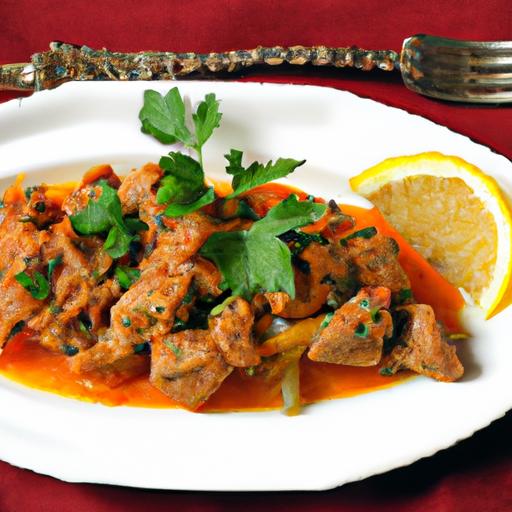
Savor the Spice: Exploring Morocco’s Iconic Chicken Delights invites you to embark on a flavorful journey into the heart of Moroccan cuisine. Renowned for its intoxicating blend of spices, Moroccan chicken dishes balance warmth and complexity, making them a centerpiece of North African dining. From the bustling souks of Marrakech to cozy family kitchens, these recipes embody centuries of rich culinary tradition and a deep love for aromatic ingredients.
Prep and Cook Time
- Planning: 20 minutes
- Marinating: 1 hour (recommended)
- Cooking: 40 minutes
- Total Time: 2 hours
Yield
serves 4 hearty portions
difficulty Level
Medium – Perfect for cooks ready to explore exotic flavors without overwhelming techniques.
Ingredients
- 8 bone-in, skin-on chicken thighs (about 2.5 lbs)
- 2 tbsp olive oil
- 1 large onion, finely chopped
- 3 garlic cloves, minced
- 1 tbsp grated fresh ginger
- 2 tsp ground cumin
- 2 tsp ground coriander
- 1 ½ tsp ground cinnamon
- 1 tsp paprika
- ½ tsp turmeric
- ½ tsp cayenne pepper (adjust to heat preference)
- 1 tsp salt
- Freshly ground black pepper, to taste
- 1 cup chicken broth
- ½ cup green olives, pitted and sliced
- 1 preserved lemon, rinsed and thinly sliced (optional but customary)
- Fresh cilantro and parsley, chopped, for garnish
instructions
- Marinate the chicken: In a large bowl, combine cumin, coriander, cinnamon, paprika, turmeric, cayenne, salt, and black pepper. Add the chicken thighs and drizzle with 1 tablespoon olive oil, turning to coat evenly. Cover and refrigerate for at least 1 hour to allow the spices to infuse deeply.
- Prepare the base: Heat remaining olive oil in a large skillet or tagine over medium heat. Add the onion, garlic, and fresh ginger and sauté until soft and translucent, about 5 minutes. The aroma will fill your kitchen, signaling the awakening of Moroccan flavors.
- Brown the chicken: Remove chicken from marinade, shaking off excess spices (reserve marinade for later). Place chicken pieces skin-side down and cook until golden brown,about 6-8 minutes per side. Turn carefully to avoid breaking the skin.
- Simmer the stew: Pour in chicken broth along with reserved marinade, then add green olives and preserved lemon slices if using. Bring to a gentle simmer.
- Cook gently: Reduce heat to low, cover, and simmer for 30-40 minutes.The chicken will become tender and absorb rich, aromatic flavors. Occasionally spoon the sauce over the chicken to keep it moist.
- Final touch: once cooked through, sprinkle chopped cilantro and parsley over the dish for a burst of fresh color and herbal brightness.
Chef’s Notes
- Preserved Lemon Substitute: If unavailable, add a fresh lemon zest and a tablespoon of lemon juice at the simmering stage to mimic the tangy brightness.
- Spice Variations: Feel free to adjust spice quantities to your preferred intensity, especially cayenne for heat.
- Make Ahead: The dish tastes even better the next day as the flavors meld.Prepare a day in advance, then gently reheat over low heat.
- Cooking Vessel: Traditional tagine cookware enhances flavor but a heavy-bottomed skillet or Dutch oven works equally well.
Serving Suggestions
Present your Moroccan chicken over fluffy couscous or fragrant saffron rice. Scatter toasted almonds or slivered pistachios on top for a delightful crunch. A side of roasted root vegetables or a crisp cucumber and yogurt salad beautifully balances the warm spices. Complete your feast with a refreshing Moroccan mint tea or a chilled glass of dry rosé for a harmonious pairing.

| Nutrient | Per Serving |
|---|---|
| Calories | 420 kcal |
| Protein | 38 g |
| Carbohydrates | 6 g |
| Fat | 28 g |
For more inspiration on how to pair Moroccan chicken with traditional sides, explore our comprehensive couscous guide. To deepen your knowledge about the history and varieties of Moroccan spices, visit the Encyclopedia britannica’s Moroccan Cuisine page.
Q&A
Q&A: Savor the Spice – Exploring Morocco’s Iconic Chicken Delights
Q1: What makes moroccan chicken dishes stand out in the world of cuisine?
A1: Moroccan chicken dishes are a symphony of bold spices, fragrant herbs, and intricate cooking techniques that transform humble poultry into an unforgettable culinary experience. The magic lies in the harmonious blending of ingredients like cumin, coriander, saffron, and preserved lemons, which awaken the senses and tell stories of Morocco’s rich cultural tapestry with every bite.
Q2: which Moroccan chicken dish is the most iconic, and why?
A2: The star of Moroccan chicken is undoubtedly Chicken Tagine. This slow-cooked masterpiece, traditionally prepared in a conical earthenware pot called a tagine, combines tender chicken with a mosaic of spices, olives, apricots, or preserved lemons. Its melting textures and sweet-savory balance capture the essence of Moroccan hospitality and culinary artistry.
Q3: how does the cooking method influence the flavor of Moroccan chicken?
A3: Moroccan cooking frequently enough employs slow simmering in tagines or steaming over spices, allowing the chicken to soak up complex flavors gradually. This gentle heat melds the spices with the meat, creating layers of depth. The tagine’s design circulates steam, keeping the chicken juicy and infusing it with aromatic intensity rarely achieved by faster cooking methods.
Q4: What role do spices play in Moroccan chicken dishes, and which are commonly used?
A4: Spices are the heart and soul of Moroccan chicken recipes. They not only add warmth and piquancy but also evoke the heritage of ancient trade routes. Common staples include cumin, ginger, cinnamon, turmeric, paprika, and the prized saffron-each contributing unique notes that range from smoky and earthy to sweet and floral, painting a vivid flavor profile.
Q5: Are Moroccan chicken dishes typically spicy-hot like other north African cuisines?
A5: Not necessarily. While Moroccan food is rich in spices,it’s more about fragrant and layered flavors than heat. The cuisine ofen balances warmth with sweetness, as seen in the use of honey or dried fruits, ensuring that dishes delight rather than overwhelm the palate with heat, though spicy options do exist.
Q6: Beyond traditional recipes, how is Moroccan chicken evolving in modern kitchens?
A6: Contemporary chefs are experimenting by fusing Moroccan spices with global cooking styles-think tagine-inspired chicken tacos or saffron-infused grilled chicken. These playful reinventions honor classic flavors while introducing Moroccan culinary magic to diverse palates, making the cuisine more accessible and exciting for today’s food explorers.
Q7: What side dishes or accompaniments best complement Moroccan chicken?
A7: Moroccan chicken often shares the plate with fluffy couscous steamed with herbs, roasted root vegetables, or fresh salads like zaalouk (a smoky eggplant dish). The sides are thoughtfully chosen to balance textures and flavors, creating a vibrant, multi-dimensional meal that celebrates freshness alongside richness.
Q8: How can someone at home recreate authentic Moroccan chicken dishes?
A8: Start with good-quality chicken and invest in key spices like cumin, coriander, and preserved lemons. Using a tagine pot is ideal but not essential-slow cooking in a heavy pot with a tight lid can mimic the process. patience is key; allowing the chicken to cook gently encourages deep flavor development. embrace the spirit of sharing and storytelling inherent in Moroccan dining to truly capture the dish’s essence.
Q9: What cultural significance do chicken dishes hold in Morocco?
A9: Chicken dishes are more than food in Morocco-they are a vehicle for connection, festivity, and tradition. Served during family gatherings,holidays,and special occasions,these dishes embody generosity and communal joy,reflecting a culture where food nourishes both body and soul.
Embark on this fragrant journey and savor the spice of Morocco’s iconic chicken delights-each dish a celebration of history,flavor,and hospitality.
In Summary
As the fragrant aromas of cumin, saffron, and preserved lemons linger in the air, morocco’s iconic chicken dishes invite more than just a taste-they offer a journey into the heart of a culture rich in history, tradition, and bold flavors. whether slow-cooked in a tagine,grilled over open flames,or simmered in a hearty stew,these culinary treasures tell stories of ancient spice routes and vibrant souks. So next time you crave a meal that awakens the senses and connects you to a world beyond your kitchen, savor the spice and embrace the timeless allure of Morocco’s chicken delights. Your palate-and your imagination-will thank you.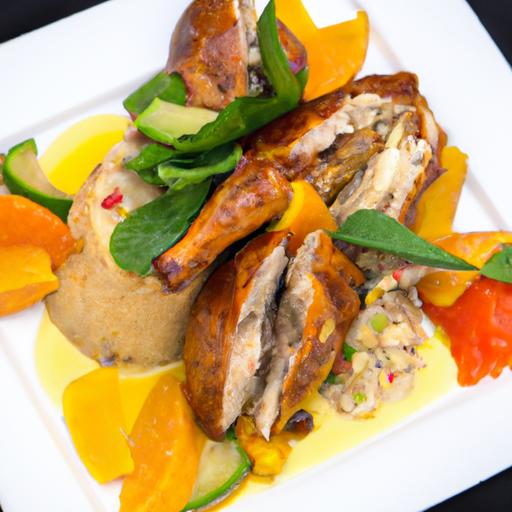
Margherita Magic is a celebration of simplicity and tradition, weaving together the vibrant colors of Italy’s flag and the rich heritage of Naples, where this iconic pizza was born. legend has it that Queen Margherita of Savoy inspired the creation with toppings resembling the Italian tricolor: fresh basil leaves, mozzarella, and ripe tomatoes atop a golden crust. This classic pizza has captured hearts worldwide for its authentic flavors and timeless appeal,offering an unforgettable taste of Italian culinary artistry.
Prep and cook Time
- Readiness: 20 minutes
- Dough resting and rising: 2 hours
- Cooking: 10-12 minutes
Yield
- Serves 2-3 people (1 pizza, 10-12-inch diameter)
Difficulty Level
- Medium - Ideal for adventurous home cooks ready to master dough making
Ingredients
- For the Dough:
- 2 ¼ teaspoons (1 packet) active dry yeast
- 1 ½ cups warm water (about 110°F/43°C)
- 3 ½ cups all-purpose flour, sifted
- 2 teaspoons fine sea salt
- 2 tablespoons extra virgin olive oil, plus extra for greasing
- For the sauce:
- 1 cup canned San Marzano tomatoes, crushed by hand
- 1 small garlic clove, minced
- 1 tablespoon extra virgin olive oil
- Salt to taste
- Fresh basil chiffonade, a few leaves
- For the Toppings:
- 6 ounces fresh mozzarella di bufala, torn into pieces
- Fresh basil leaves for garnish
- Extra virgin olive oil, for drizzling
- Freshly ground black pepper (optional)
- Activate the yeast: in a small bowl, dissolve the yeast in warm water. Let it bloom until foamy, about 5 minutes, signaling the yeast is active and alive.
- Mix the dough: In a large bowl, combine the sifted flour and salt. Gradually pour in the yeast mixture and olive oil, stirring until a shaggy dough forms.
- Knead: turn dough onto a floured surface and knead for 8-10 minutes until it becomes smooth, elastic, and slightly tacky but not sticky. You’ll feel it transform under your hands.
- Let it rise: Lightly oil a clean bowl, place the dough inside, cover with a damp cloth or plastic wrap, and let it rise in a warm spot for about 1-2 hours, until it doubles in size.
- Prepare the sauce: While the dough rests,gently mix crushed San Marzano tomatoes with minced garlic,olive oil,salt,and basil.Keep it rustic-no cooking needed-to preserve radiant, fresh flavors.
- Shape the dough: Once risen, punch down the dough and place it on a lightly floured surface. Stretch and shape it into a 10-12 inch circle, being careful not to deflate the air bubbles, which create that characteristic lightness.
- Preheat your oven: Place a pizza stone or baking sheet inside and heat to 475°F (245°C) for at least 30 minutes to mimic authentic brick oven conditions.
- Assemble: Transfer the dough to a floured pizza peel or parchment paper. Spread a thin layer of sauce evenly over the surface, leaving a small border. Scatter torn mozzarella evenly on top and dot with fresh basil leaves.
- Bake: Slide the pizza onto the preheated stone or baking sheet. Bake for 10-12 minutes until the crust is golden and blistered,and the cheese is melted and bubbling. Watch closely as timing may vary with your oven.
- Finish and serve: Remove pizza, drizzle with extra virgin olive oil, add fresh basil leaves, and season lightly with black pepper if desired. slice and enjoy the burst of classic Italian flavors.
- Flour choice: 00 flour yields the most authentic Neapolitan crust, but all-purpose is a great accessible substitute.
- Cold fermentation: For deeper flavor complexity, refrigerate the dough for 24 hours after the first rise and bring to room temperature before shaping.
- Mozzarella prep: Drain excess moisture from mozzarella by patting it with paper towels to avoid soggy pizza.
- Oven alternatives: A pizza stone or steel offers the best heat retention, but a preheated inverted baking sheet works excellently if you don’t have one.
- Make-ahead sauce: Store leftover sauce refrigerated up to 3 days or freeze portions for up to 2 months, perfect for quick pizza nights.
- Serve instantly on a rustic wooden board to enhance the visual allure of the golden crust and vibrant toppings.
- Add a light drizzle of aged balsamic vinegar for an unexpected sweet-tart contrast.
- Pair with a crisp Italian white wine, such as a Vermentino or frascati, to complement the fresh ingredients.
- Offer a side of arugula salad dressed with lemon and olive oil to balance the richness.
Instructions
Tips for Success
Serving Suggestions
| Nutrient | Per Serving |
|---|---|
| Calories | 420 |
| Protein | 18g |
| Carbohydrates | 50g |
| Fat | 14g |

To dive deeper into the art of Italian pizza making, explore our article on Perfecting Homemade Pizza Dough or learn about traditional ingredients on Italy Magazine.
Q&A
Q&A: Margherita Magic – exploring Italy’s Classic Pizza Delight
Q1: What makes Pizza Margherita so iconic in Italian cuisine?
A1: Pizza Margherita is the quintessential symbol of Italian culinary tradition. Its simplicity-a harmonious blend of fresh tomatoes, creamy mozzarella, fragrant basil, a drizzle of olive oil, and a golden, blistered crust-embodies the colors of the Italian flag and the heart of Naples. This pizza captures Italy’s passion for quality ingredients and timeless flavors.
Q2: Where did Pizza Margherita originate?
A2: Legend has it that Pizza Margherita was born in Naples in 1889 when Queen Margherita of Savoy visited the city. Chef Raffaele esposito crafted a pizza resembling the Italian flag, featuring red tomatoes, white mozzarella, and green basil. The queen’s delight sealed Margherita’s place in pizza history as a royal favorite and a national treasure.
Q3: How is a traditional Margherita pizza made?
A3: Crafting a true Margherita begins with a wood-fired oven, creating a characteristic charred yet chewy crust. Fresh San Marzano tomatoes are crushed into a vibrant sauce, spread over hand-stretched dough.Generous slices of fresh mozzarella di bufala are arranged atop, followed by fresh basil leaves and a final flourish of extra virgin olive oil-simplicity at its best.
Q4: What sets Margherita apart from other pizzas?
A4: Unlike heavily topped or processed pizzas,Margherita’s magic lies in restraint and authenticity. It’s not about piling on ingredients; it’s about celebrating the purity of each component. Every bite is a balanced interplay of sweet tomato, creamy mozzarella, herbal freshness, and the smoky char of perfectly baked dough.
Q5: Can Margherita pizza be adapted for modern tastes?
A5: Absolutely! While purists cherish tradition, creative chefs experiment by adding heirloom tomatoes, burrata cheese, or heirloom basil varieties. Some even infuse the crust with herbs or garlic, or drizzle aged balsamic. Yet, despite modern twists, the soul of Margherita remains its elegant simplicity.Q6: Why does Margherita continue to captivate pizza lovers worldwide?
A6: In an era of culinary complexity, Margherita pizza is a breath of fresh, fragrant air-a reminder that great food doesn’t need to be complex. Its timeless appeal rests in the perfect marriage of elemental flavors that celebrate italy’s rich heritage and the joy of honest, soulful cooking.Q7: where can one experience the most authentic margherita pizza?
A7: For the purist, Naples is the pilgrimage site, where centuries-old pizzerias still fire up wood ovens and serve Margherita pizza as it was meant to be.However, artisan pizzerias worldwide now embrace the craft, spreading Margherita’s magic across continents while honoring its legendary roots.
Discovering Margherita is like tasting the essence of italy itself-simple, vibrant, and irresistibly pure. Whether enjoyed in Naples or your own kitchen, this classic pizza delight continues to enchant palates and inspire pizza lovers everywhere.
The Conclusion
As the last bite of Margherita pizza melts away, it’s clear that this simple yet sublime creation is more than just a dish-it’s a delicious testament to Italy’s rich culinary heritage. From its humble origins in Naples to its place on tables worldwide,the Margherita embodies a perfect harmony of fresh ingredients and passionate craftsmanship. Whether you savor it in a bustling pizzeria or recreate it in your own kitchen, the magic of Margherita pizza continues to inspire and delight. So next time you crave a slice of Italy, remember: sometimes, the simplest flavors tell the most enchanting stories.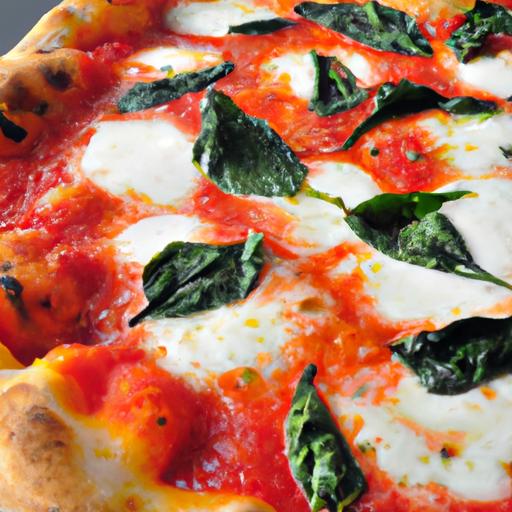
Indulgent delights often begin with the sublime taste of chocolate, transformed into exquisite creations that captivate the senses with their lush textures and complex flavors. This handcrafted luxurious chocolate tart draws inspiration from classic French patisserie while infusing a modern twist, making it an irresistible centerpiece for any dessert table. The silky ganache filling, encased in a perfectly crumbly, buttery crust, is the epitome of elegant indulgence-one that’s as rewarding to prepare as it is to savor.
Prep and Cook Time
Prep Time: 30 minutes | Chill/Set Time: 2 hours | Cook Time: 20 minutes | Total Time: 2 hours 50 minutes
Yield
Serves 8 elegantly sized portions
Difficulty Level
Medium – Perfect for adventurous home bakers eager to master classic techniques with a sophisticated flair.
Ingredients
- For the crust:
- 1 ¼ cups all-purpose flour, sifted
- ¼ cup unsweetened cocoa powder, sifted
- ⅓ cup powdered sugar
- ¼ tsp kosher salt
- ½ cup unsalted butter, cold and cubed
- 1 large egg yolk
- 1-2 tbsp ice water
- For the ganache filling:
- 200g 70% dark chocolate, finely chopped
- ¾ cup heavy cream
- 2 tbsp unsalted butter, room temperature
- 1 tsp pure vanilla extract
- Pinch of fine sea salt
- Garnish:
- Fresh raspberries or edible gold leaf (optional)
- Toasted hazelnuts, chopped
- Light dusting of cocoa powder
Instructions
- Prepare the crust: In a large bowl, whisk together flour, cocoa powder, powdered sugar, and salt. Add the cubed butter and, using a pastry cutter or yoru fingertips, work it into the dry ingredients until the mixture resembles coarse crumbs.
- Add the egg yolk and 1 tablespoon of ice water. Gently mix until the dough comes together. Add an extra tablespoon of water if needed, but avoid overworking the dough to keep it tender.
- flatten the dough into a disc, wrap in plastic, and chill in the fridge for at least 1 hour to firm up.
- blind-bake the crust: Preheat the oven to 350°F (175°C). Roll out the chilled dough on a floured surface to fit a 9-inch tart pan with a removable bottom. Press the dough evenly into the pan, trimming excess edges.
- Line the crust with parchment paper and fill with pie weights or dried beans. Bake for 15 minutes,then remove weights and parchment,baking an additional 5 minutes until the crust is set but not fully browned. Let cool completely.
- Make the ganache: Place chopped dark chocolate in a heatproof bowl. In a small saucepan, bring heavy cream to a gentle simmer. Pour hot cream over the chocolate and let sit for 2 minutes. Stir gently until smooth and glossy.
- Whisk in butter, vanilla extract, and a pinch of sea salt until fully incorporated and velvety.
- Pour the ganache into the cooled tart shell, smoothing the surface with a spatula. refrigerate for at least 2 hours,or until the filling is set.
- Before serving, garnish with fresh raspberries, scattered toasted hazelnuts, a light dusting of cocoa powder, and optionally, a delicate touch of edible gold leaf for a luxurious finish.
Tips for Success
- Ensure your butter is very cold when making the crust to achieve a tender, flaky texture.
- When melting the chocolate, avoid overheating; use a double boiler or the hot cream method to retain a silky texture.
- Make this tart a day ahead to allow the flavors to meld beautifully and the ganache to set perfectly.
- Substitute hazelnuts with toasted almonds or pistachios for a different nutty dimension.
- If you prefer a sweeter ganache, reduce the dark chocolate percentage to 60% or add a tablespoon of honey to the cream before heating.
Serving Suggestions
Serve your decadent chocolate tart chilled atop a fine china plate to emphasize its rich colour and glossy finish. Complement the flavors with a dollop of freshly whipped cream or a scoop of vanilla bean ice cream on the side. Enhance the presentation further by drizzling a shining raspberry coulis or sprinkling delicate flourishes of edible petals for seasonal charm. Pair this indulgent delight with a robust espresso or a glass of aged port wine to elevate the tasting experience to sumptuous new heights.
| nutritional Information (per slice) | Amount |
|---|---|
| Calories | 350 kcal |
| Protein | 5g |
| Carbohydrates | 28g |
| Fat | 24g |

Explore more French patisserie chocolate eclairs that bring extra elegance to your dessert repertoire. For deeper insights into chocolate tempering techniques, visit the MasterClass tutorial on chocolate tempering.
Q&A
Q&A: Indulgent Delights – Exploring the World of Decadent Desserts
Q1: What exactly defines a dessert as “decadent”?
A: A decadent dessert is more than just sweet-it’s an experience of richness and luxury for the senses.Think velvety textures, intense flavors, and often, a lavish presentation. These treats typically feature high-quality ingredients like dark chocolate, cream, nuts, or exotic spices, designed to feel indulgent and irresistible.
Q2: Why do people crave decadent desserts?
A: Cravings for decadence often stem from both biology and emotion. Sugar and fat trigger pleasure centers in our brains,releasing feel-good chemicals like dopamine. Beyond that, decadent desserts are often tied to celebration, comfort, or simply treating oneself-moments when indulgence feels well-deserved.
Q3: Which cultures offer the most iconic decadent desserts?
A: Decadence knows no borders! French patisseries tempt with silky chocolate mousse and elaborate mille-feuilles. Italy is home to rich tiramisu and luscious panna cotta. Middle eastern delights like baklava marry honey and nuts for a sweet, sticky richness. Even Latin America’s tres leches cake douses sponge in sweetened milk for a moist, creamy treat.
Q4: What role does presentation play in the decadence of a dessert?
A: Presentation is the first sensory indulgence-it whets the appetite and primes the palate for something extraordinary.A dusting of gold leaf, glossy ganache, or delicate piping elevates a dessert from mere food to edible art. The visual allure can make the experience feel more luxurious and special.
Q5: How can one enjoy decadent desserts without guilt?
A: Balance and mindfulness are key. Savor smaller portions slowly to truly appreciate the flavors. Opt for desserts made with quality ingredients and natural sweetness over artificial additives. Pairing dessert with a moment of relaxation or companionship also enhances satisfaction, helping guilt to fade into the pleasure of indulgence.Q6: What are some modern trends in decadent desserts?
A: Today’s dessert creators blend decadence with innovation-think nitrogen-chilled sorbets,rich but dairy-free chocolate treats,or hybrid desserts like cronuts and matcha lava cakes.There’s also a growing emphasis on sustainability: using ethically sourced ingredients and minimizing waste while still delivering maximum indulgence.
Q7: Can decadent desserts be made at home?
A: Absolutely! While some may look intimidating, many decadent desserts start with simple building blocks-quality chocolate, fresh cream, and a bit of technique. Recipes like molten lava cakes, no-bake cheesecakes, or layered trifle allow you to bring a touch of luxury into your own kitchen, creating moments of sweet satisfaction anytime.
Whether you’re a seasoned dessert connoisseur or a curious newcomer, stepping into the world of decadent desserts is a journey of texture, flavor, and pure delight-an edible celebration of life’s sweetest pleasures.
insights and Conclusions
As we close this sumptuous journey through the world of decadent desserts, one truth stands clear: these indulgent delights are more than just sweet treats-they are expressions of culture, creativity, and sheer culinary artistry. From velvety chocolates to luscious pastries and beyond, each dessert tells a story, inviting us to savor moments of pure pleasure and escape.Whether you’re a seasoned connoisseur or an adventurous newcomer,embracing these rich flavors can transform any occasion into a celebration of life’s sweetest joys.So go ahead-dive into decadence, and let every bite be a reminder that sometiems, indulgence is the most tasty form of self-care.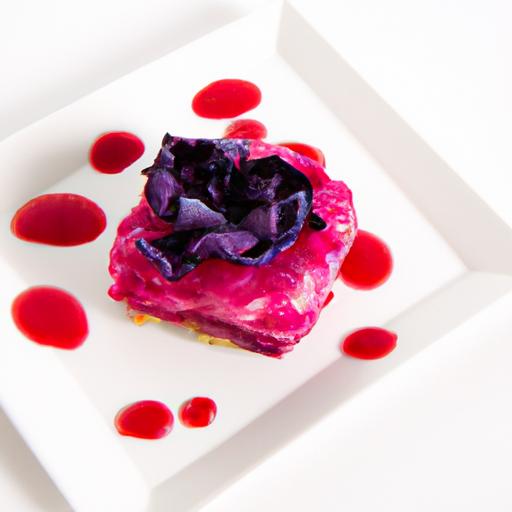
Mastering Conventional Techniques: The Art and Science Behind Iconic Chinese Recipes
Exploring the Flavors: A Journey Through Chinese Dishes begins with an intimate dive into Kung Pao Chicken,a beloved staple of Sichuan cuisine that perfectly embodies the complexity and balance of Chinese culinary art. Originating in the heartlands where bold, spicy, and savory profiles reign supreme, this dish brings together tender chicken, toasted peanuts, and a vibrant, tongue-tingling sauce. The secret lies not just in the ingredients, but in mastering the timing and technique-stir-frying at high heat to lock in juiciness while creating a crisp exterior is paramount.
Kung Pao Chicken is a testament to how traditional methods and fresh ingredients harmonize into a dish that intrigues the palate and warms the soul. From the crackle of the wok to the final garnish of green onions and chilies, every step is a celebration of texture and flavor.
Prep and Cook Time
- Readiness: 20 minutes
- Cooking: 15 minutes
- Total Time: 35 minutes
Yield
Serves 4 generous portions
Difficulty Level
Medium – Ideal for home cooks looking to elevate their wok skills and explore authentic Chinese techniques
Ingredients
- 500g boneless chicken breast, cut into 1-inch cubes
- 3 tbsp light soy sauce
- 1 tbsp Shaoxing wine (Chinese cooking wine)
- 2 tsp cornstarch
- 3 tbsp vegetable oil, divided
- 10-12 dried red chilies, halved and seeds removed for less heat
- 3 cloves garlic, finely minced
- 1-inch piece ginger, thinly sliced
- 1/2 cup roasted peanuts, unsalted
- 4 green onions, sliced diagonally
- For the Sauce:
- 2 tbsp light soy sauce
- 1 tbsp dark soy sauce
- 1 tbsp Chinkiang vinegar (black rice vinegar)
- 1 tbsp sugar
- 1/2 cup water or chicken stock
- 1 tsp cornstarch mixed with 2 tsp water (slurry)
Instructions
- Marinate the Chicken: In a bowl, combine the chicken cubes with light soy sauce, Shaoxing wine, and cornstarch. Toss well and let it rest for 15 minutes. This step tenderizes the meat and creates a glossy texture after cooking.
- Prepare the Sauce: Whisk together all sauce ingredients (both soy sauces, vinegar, sugar, water, and slurry) in a small bowl.Set aside.
- Heat the Wok: Add 2 tablespoons of vegetable oil over high heat. When shimmering,add dried red chilies and stir-fry for about 30 seconds until fragrant but not burnt.
- Sauté Aromatics: Quickly add garlic and ginger, stirring to release their full aroma, for about 15 seconds.
- Cook the Chicken: Add the marinated chicken cubes in a single layer. Do not overcrowd the wok to allow even searing. Stir-fry until the chicken turns white and starts to brown on edges, about 5 minutes.
- Combine Sauce and Nuts: Pour the prepared sauce into the wok. Stir continuously until the sauce thickens and coats the chicken evenly, approximately 2-3 minutes. Add roasted peanuts and half of the sliced green onions. Stir to combine.
- Final Touch: Drizzle the remaining 1 tablespoon of oil around the edge of the wok to add a subtle gloss and richness. Remove from heat and transfer to a serving dish.
- Garnish: Scatter the remaining green onions on top to add freshness and color contrast.
Tips for Success
- Fresh Peanuts: Use freshly roasted peanuts to ensure crunchy texture and bold flavor. Avoid salted nuts to balance the dish’s saltiness.
- Chicken Alternatives: For a twist, substitute chicken with diced firm tofu or shrimp for variety, adjusting cooking times accordingly.
- Control the Heat: Adjust the number of dried chilies based on your spice tolerance. Removing seeds softens the intensity without sacrificing flavor.
- wok Care: Preheat your wok thoroughly before adding oil to prevent sticking and enhance caramelization.
- Make-Ahead: The sauce can be mixed in advance and stored in the refrigerator for up to 3 days.
Serving Suggestions
Present this vibrant Kung Pao Chicken atop a bed of steamed jasmine rice or alongside delicate scallion pancakes for texture contrast. Offer crisp cucumber slices or lightly pickled vegetables to temper the fiery sauce. Garnish with a sprinkle of toasted sesame seeds or fresh coriander for an elevated finish. pair with a chilled jasmine tea or a light beer to create a balanced dining experience.

| Nutrient | Amount per Serving |
|---|---|
| calories | 380 kcal |
| Protein | 34 g |
| Carbohydrates | 15 g |
| Fat | 18 g |
For more exploration of authentic regional recipes that showcase china’s culinary soul, don’t miss our detailed guide on Regional Chinese Cuisines and Their Signature Flavors.To deepen your grasp of traditional cooking techniques, explore the South China Morning Post’s expert insights on Sichuan cuisine.
Q&A
Q&A: Exploring the Flavors – A Journey Through Chinese Dishes
Q1: What makes Chinese cuisine so diverse and unique?
A1: Chinese cuisine is a vast mosaic shaped by thousands of years of history,geography,and culture. From the spicy, bold flavors of Sichuan to the delicate, dim-sum traditions of Cantonese cooking, each region contributes its own ingredients, techniques, and stories. This diversity creates a flavorful tapestry that’s both rich and endlessly intriguing.
Q2: Which are the essential flavor profiles that define Chinese dishes?
A2: Chinese dishes often balance the five key flavors: sweet,sour,salty,bitter,and umami. Many recipes masterfully blend these to create harmony on the palate. For instance,the combination of spicy chili and numbing Sichuan peppercorns delivers a distinctive,mouth-tingling sensation unique to Sichuan cuisine.
Q3: How important is the use of fresh ingredients in Chinese cooking?
A3: Freshness is paramount. Chinese cooking emphasizes seasonality and the use of vibrant, fresh produce, meats, and seafood. This focus ensures that dishes not only have robust flavors but also maintain nutritional value. Markets bustling with fresh ingredients are the lifeblood of authentic Chinese culinary artistry.
Q4: Can you highlight a few iconic Chinese dishes and their cultural significance?
A4: Certainly! Peking Duck, with its crispy skin and tender meat, symbolizes imperial luxury from Beijing. Dim sum, a beloved Cantonese tradition, is more than food-it’s a social experience, bringing friends and family together over bite-sized delicacies. Mapo Tofu exemplifies the fiery spirit of Sichuan cuisine, representing boldness and warmth.
Q5: How has Chinese cuisine evolved in the modern world?
A5: While traditional methods remain cherished,modern Chinese chefs are blending innovation with heritage.Fusion cuisine incorporates global influences without sacrificing authentic flavors. Additionally, health-conscious adaptations now see less oil and more plant-based ingredients, making Chinese food both trendy and enduring.
Q6: What advice would you give to someone eager to start exploring Chinese flavors?
A6: Start with an open mind and a willingness to taste boldly! Begin by sampling popular staples like dumplings and fried rice, then venture into regional specialties like hotpot or Cantonese roast pork. Don’t be afraid to experience new textures and spice levels-each bite is a story waiting to be discovered.
Q7: How can home cooks replicate authentic Chinese flavors?
A7: Invest in a few essential ingredients-soy sauce, chinese five-spice, Shaoxing wine, and fresh ginger-and master basic techniques like stir-frying and steaming. Patience is key; balancing flavors and textures takes practice. And most importantly, cooking should be joyful, a personal journey through China’s culinary heritage.
This Q&A offers a flavorful glimpse into the enchanting world of Chinese dishes, inviting readers to savor the heritage and innovation that make this cuisine a global treasure.
To Conclude
As our culinary journey through the vibrant tapestry of Chinese dishes comes to a close, we find that each bite tells a story-of ancient traditions, regional landscapes, and the warm hands that craft each flavor. From the fiery depths of Sichuan’s spices to the delicate whispers of Cantonese dim sum, China’s diverse cuisine invites us to savor more than just food; it invites us to experience a rich cultural heritage that has been perfected over centuries. so next time you sit down to enjoy a plate of dumplings or a bowl of noodle soup, remember you are partaking in a journey that spans time and geography-a flavorful adventure that continues to inspire and delight palates around the world.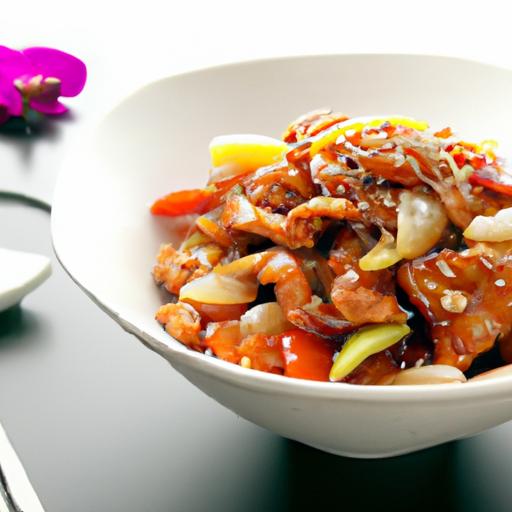
Savor the Harmony begins with an exquisite dance between flavors and textures, making each spoonful and forkful a delightful finding. Exploring complementary tastes in soup and salad transforms a simple meal into an artful balance that excites the palate and comforts the soul. imagine the crisp snap of garden-fresh greens perfectly matched with the silken warmth of a velvety broth, highlighting seasonal bounty in every bite.
Prep and cook Time
- Preparation: 15 minutes
- Cooking: 25 minutes
- Total Time: 40 minutes
Yield
Serves 4 generously
difficulty level
Easy to Medium
Ingredients
- For the Soup:
- 2 tablespoons extra-virgin olive oil
- 1 medium yellow onion, finely chopped
- 2 cloves garlic, minced
- 4 cups vegetable broth
- 3 medium carrots, peeled and diced
- 2 stalks celery, sliced
- 1 cup dried red lentils, rinsed
- 1 teaspoon ground cumin
- ½ teaspoon smoked paprika
- Salt and freshly ground black pepper, to taste
- Juice of ½ lemon
- For the Salad:
- 4 cups mixed greens (baby spinach, arugula, and butter lettuce)
- 1 cup radishes, thinly sliced
- ½ cup cucumber, diced
- ¼ cup toasted walnuts, coarsely chopped
- 2 ounces crumbled feta cheese
- 3 tablespoons extra-virgin olive oil
- 1 tablespoon apple cider vinegar
- 1 teaspoon honey
- Salt and freshly ground black pepper, to taste
Instructions
- Prepare the Soup Base: In a large pot, heat the extra-virgin olive oil over medium heat. add the chopped onion and sauté until translucent, about 5 minutes, stirring occasionally to prevent browning.
- Add Aromatics: Stir in the minced garlic, diced carrots, and sliced celery. Cook for another 3 minutes until fragrant and slightly softened.
- Cook the Lentils: Add rinsed lentils, broth, ground cumin, and smoked paprika. Bring to a boil, then reduce heat to low. Simmer uncovered for 20-25 minutes until lentils are tender and soup is thickened. season with salt and black pepper.
- Finish the Soup: Stir in the freshly squeezed lemon juice to brighten the flavors.Adjust seasoning as needed. Keep warm on low heat while preparing the salad.
- Make the Salad Dressing: Whisk together olive oil, apple cider vinegar, and honey in a small bowl. Season with salt and pepper to taste.
- Assemble the Salad: In a large bowl, combine mixed greens, sliced radishes, diced cucumber, and toasted walnuts. Drizzle the dressing and toss gently to coat.
- Plate and Garnish: Serve the warm lentil soup in bowls alongside the vibrant salad topped with crumbled feta cheese. Garnish the soup with a sprig of fresh parsley or a dash of smoked paprika for visual appeal.
Tips for Success
- To deepen the soup’s flavor, toast the cumin and smoked paprika in the olive oil before adding vegetables.
- Use fresh, crisp greens-baby spinach and arugula add peppery contrasts to the creamy soup.
- For a creamy soup texture,blend half of the soup before adding lemon juice.
- To make ahead, prepare the soup and dressing separately; toss the salad just before serving to keep it crunchy.
- swap walnuts with toasted pecans or almonds for a nutty variation in the salad.
Serving suggestions
Present this pairing on rustic ceramic plates and bowls to emphasize a warm, homey vibe. Accompany with crusty whole-grain bread brushed with garlic and olive oil. For an extra sensory delight, add a light pinch of chili flakes to the soup for a subtle heat, balanced perfectly by the salad’s cool, crisp bite. A glass of chilled Sauvignon Blanc or dry rosé will beautifully complement the herbal and citrusy notes.

| Nutrient | Per Serving |
|---|---|
| Calories | 320 kcal |
| Protein | 15 g |
| Carbohydrates | 38 g |
| Fat | 10 g |
For more ideas on celebrating fresh seasonal produce, visit our seasonal recipes collection. To understand the science behind flavor pairing and texture balance,check out this detailed guide on flavor synergy from Science Daily.
Q&A
Q&A: Savor the Harmony – Exploring the Art of Soup and Salad Pairings
Q1: Why pair soup and salad together? Aren’t they usually just separate starters?
A1: Ah,the magic of a well-crafted soup and salad duo goes beyond mere appetizers. When paired thoughtfully, they create a harmonious balance of flavors, textures, and temperatures that prepare the palate for the meal ahead-or sometimes, become a fulfilling meal themselves. It’s a culinary conversation,where each element enhances and elevates the other,turning simplicity into sophistication.
Q2: How do you begin choosing the perfect soup and salad pairing?
A2: Think of your soup and salad as dance partners. Each needs to complement,not overshadow. start by considering the soup’s character-is it creamy, brothy, spicy, or earthy? Then select a salad that contrasts or mirrors those qualities.For example, a rich, velvety butternut squash soup pairs beautifully with a crisp arugula salad dressed in bright lemon vinaigrette, balancing lusciousness with tart freshness.
Q3: Are there “rules” to pairing soups and salads, or is it purely creative?
A3: Like any art form, pairing is guided by principles but thrives in creativity. Classic guidelines include matching intensity and texture: a robust, hearty soup works well with a bold salad, while a delicate consommé pairs best with a light, simple salad. color and temperature contrasts add interest, but don’t be afraid to experiment with ingredients-sometimes the most unexpected combos sing the sweetest notes.Q4: Can you share a few pairing suggestions to inspire home cooks?
A4: Certainly! Here are a few duets to try:
- French Onion Soup + Mixed Greens with Gruyère and walnuts: Both echo nutty, savory flavors, while the salad’s crunch contrasts the soup’s silky broth.
- Chilled Gazpacho + Cucumber and Tomato Salad: This pairing doubles down on fresh, garden flavors-hydrating and cooling on a summer day.
- Spicy Black Bean Soup + Avocado, Corn, and Cilantro Salad: The creamy avocado mellows heat, and the salad’s brightness refreshes between spoonfuls.
- Creamy Mushroom Soup + Baby Spinach with Warm Bacon Dressing: Earthy mushrooms and smoky bacon create warmth, balanced by the freshness of greens.
Q5: How crucial is the dressing in the salad when pairing with soup?
A5: Crucial! The salad dressing is the bridge linking flavors. A heavy, creamy dressing might clash with a rich cream-based soup, but a tangy vinaigrette can cut through it beautifully. Similarly,a sweet or fruity dressing can highlight subtle notes in a broth-based soup. Think of the dressing as the glue that holds the partnership together.
Q6: What about dietary preferences or restrictions-how can soup and salad pairings be adapted?
A6: Adaptability is key. Soup and salad pairings can easily be tailored to vegan, gluten-free, or low-carb needs. Using vegetable broths, plant-based dressings, and a variety of greens and grains opens a world of combinations. Such as, a hearty lentil soup paired with a quinoa and kale salad offers protein, fiber, and vibrant flavors without compromising dietary choices.
Q7: any tips for presenting soup and salad pairings to guests?
A7: Presentation sets the stage for savoring harmony. Serve soups in charming bowls that highlight their color, alongside salads arranged with a mix of colorful ingredients for visual appeal. Consider temperature contrasts, and don’t hesitate to add garnishes-fresh herbs, a drizzle of good olive oil, or crunchy croutons-to tie the experience together. Encourage guests to taste each separately first, then savor bites together to appreciate their interplay.
Q8: Why does mastering soup and salad pairing elevate everyday dining?
A8: Because it transforms routine eating into an exploration of balance and beauty. The thoughtful pairing of soup and salad engages all senses-appealing visually, delighting the palate, and satisfying the soul. It invites mindfulness and creativity, turning humble ingredients into an orchestrated experience. Once you master this art, everyday meals become moments of harmony and pleasure.
The Conclusion
As we conclude our journey through the artful marriage of soups and salads, it becomes clear that this timeless duo offers more than just nourishment-it’s a party of balance, contrast, and culinary harmony. Whether it’s the crisp freshness of garden greens dancing alongside a velvety bisque,or the vibrant zest of a citrus salad uplifting a hearty stew,the possibilities are as boundless as your imagination. By thoughtfully pairing these humble dishes, you invite a symphony of textures and flavors to your table, transforming simple meals into memorable experiences. So next time you sit down to savor a bowl and a bowlful, remember: true harmony is found not only in the ingredients but in the art of bringing them together. Keep exploring, tasting, and delighting in the lovely interplay of soup and salad-your palate will thank you.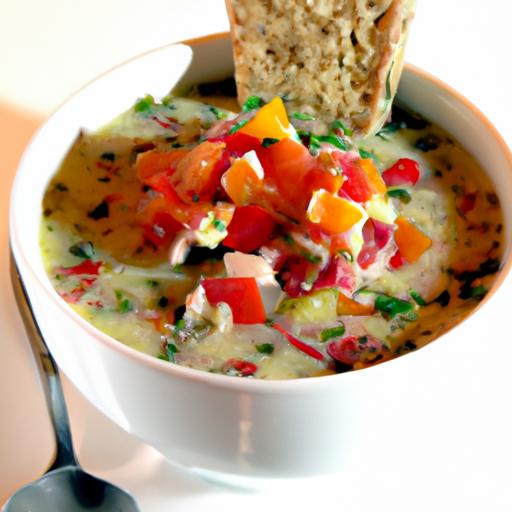
Clucking Good Eats come to life when ingenious flavor pairings transform simple chicken into a culinary masterpiece. Inspired by timeless classics and global innovations, this recipe celebrates the harmony of herbs, spices, and textures that elevate chicken dishes beyond ordinary dinners. Whether you’re craving the comfort of homey garlic lemon chicken or daring enough to venture into exotic Moroccan spices, mastering flavor pairings is the key to unforgettable meals.
Prep and Cook Time
Planning: 15 minutes | Cooking: 30 minutes | Total: 45 minutes
Yield
Serves 4 hearty portions
Difficulty Level
Medium
Ingredients
- 4 skin-on, bone-in chicken thighs
- 1 tbsp olive oil
- 3 cloves garlic, finely minced
- 1 lemon, zested and juiced
- 1 tsp smoked paprika
- 1 tsp ground cumin
- 1/2 tsp freshly ground black pepper
- Salt to taste
- 2 tbsp fresh parsley, chopped
- 1/4 cup chicken broth or dry white wine
- 1 tbsp unsalted butter
- 1 small shallot, minced
Instructions
- Prepare the chicken: Pat thighs dry with paper towels and season generously with salt, pepper, smoked paprika, and cumin. This combination adds warmth and smokiness that complements the zesty lemon.
- Heat olive oil in a large skillet over medium-high heat. When shimmering, add chicken thighs skin-side down. Sear without moving for 6-7 minutes until the skin is golden and crisp.
- Flip the chicken and cook the other side for 5 minutes. Transfer thighs to a plate; keep juices in the pan.
- Sauté shallots and garlic: Lower heat to medium, add shallots and garlic to the pan. Sauté until fragrant and translucent, about 2 minutes, stirring frequently to prevent burning.
- Deglaze the pan by adding chicken broth or white wine, scraping up browned bits with a wooden spoon. Let the liquid reduce by half, approximately 3-4 minutes.
- Add lemon juice and zest, stirring to combine. Return chicken thighs to the skillet, spooning sauce over them.
- Cover and simmer: Reduce heat to low, cover the pan, and let chicken cook through, about 10 minutes.Use a meat thermometer to ensure an internal temperature of 165°F (75°C).
- Finish with butter and parsley: Stir in butter to enrich the sauce, sprinkle with fresh parsley for a burst of color and brightness.Serve immediately.
Chef’s Notes: Tips for success
- Skin-on, bone-in thighs are preferred for juicy, flavorful chicken. Skin crisps beautifully and bones add depth.
- Don’t overcrowd the pan when searing to ensure even browning; cook in batches if needed.
- For a dairy-free option, substitute butter with a splash of extra olive oil at the end.
- Make-ahead: Marinate chicken overnight in lemon juice,garlic,and spices for intensified flavor.
- Experiment with herbs: Thyme or oregano can replace parsley for a Mediterranean twist.
- Check internal temperature with an instant-read thermometer: 165°F confirms perfectly cooked chicken.
Serving Suggestions
Plate this dish over a bed of fluffy couscous or creamy mashed potatoes to soak up the lemon-infused pan sauce. Add a crisp side salad of arugula with shaved Parmesan and toasted pine nuts for a fresh,textural contrast. Garnish with extra lemon zest and sprigs of parsley or fresh thyme to enhance the aromatic appeal. A chilled glass of Sauvignon Blanc beautifully complements the zesty and smoky notes.

| Nutrient | Per Serving |
|---|---|
| Calories | 350 kcal |
| Protein | 28 g |
| Carbohydrates | 2 g |
| Fat | 25 g |
For more inspiring chicken recipes, visit our chicken recipe collection. For scientific insights into flavor compounds in poultry cooking, ScienceDaily’s feature on flavor chemistry offers interesting depth.
Q&A
Q&A: Clucking Good Eats – Exploring delicious Chicken Creations
Q1: What makes chicken such a beloved ingredient around the world?
A1: Chicken’s universal appeal lies in its versatility and mild flavor, making it a perfect canvas for countless culinary traditions. From spicy Indian curries to crispy American fried chicken, it absorbs spices, marinades, and sauces like a culinary chameleon, delighting taste buds everywhere.
Q2: Which chicken dishes have truly transformed the way we enjoy this protein?
A2: Beyond the classic roast or grilled chicken, dishes like Korean fried chicken with its double-fried crispiness, tangy Buffalo wings, and comforting chicken tikka masala have revolutionized chicken dining. These creations combine texture,aroma,and bold flavors to elevate simple poultry into memorable meals.
Q3: How can home cooks experiment with chicken to create their own clucking good eats?
A3: Start by playing with marinades and spice blends-think smoky paprika, zesty citrus, or fragrant herbs like rosemary and thyme. Don’t be afraid to try different cooking methods: sear, bake, grill, or even slow-cook. The juicy potential lies in the technique as much as the seasoning!
Q4: Are there health benefits to choosing chicken over other meats?
A4: Absolutely! Chicken is a lean source of high-quality protein, low in fat (especially when skinless), and rich in essential nutrients like B vitamins and selenium. It’s a smart choice for those seeking flavor without heavy calories, supporting muscle health and overall well-being.
Q5: What’s a surprising chicken dish that readers might want to try?
A5: Have you heard of “Chicken Adobo” from the Philippines? This tangy, garlicky stew simmers chicken in a mix of soy sauce, vinegar, and spices. It’s comfort food with a punch-unforgettable, simple, and a great gateway into global chicken cuisine.
Q6: How has chicken cooking evolved with modern food trends?
A6: With growing interest in farm-to-table sourcing and sustainable eating,chefs increasingly spotlight pasture-raised chicken and innovative flavor pairings. plus, plant-based “chicken” alternatives inspired by this beloved bird show how the future of food can honor tradition while embracing innovation.Q7: Where can readers find inspiration to keep their chicken dishes exciting?
A7: Dive into cookbooks from diverse cultures, explore food blogs and social media channels dedicated to poultry recipes, or visit local markets for fresh ingredients. Culinary creativity often begins with curiosity-and chicken’s vast flavor potential invites endless exploration!
Craving more? Whether you’re a novice or a seasoned pro, the world of chicken dishes is a deliciously diverse playground. So grab your apron and get ready for some clucking good eats!
Key takeaways
Whether you’re a devoted poultry enthusiast or simply curious about the endless possibilities tucked within a humble chicken, one thing is clear: the world of chicken cuisine is as vast as it is delicious. From crispy, golden-skinned classics to innovative, flavor-packed creations, chicken continues to inspire chefs and home cooks alike. So next time you’re craving something clucking good,remember-there’s a whole universe of tastes waiting to be discovered,one juicy bite at a time. Happy feasting!
Crispy Delights: Exploring Vietnamese Chicken Fast Foods unveils the irresistible charm of perfectly crispy Vietnamese fried chicken-an iconic snack that combines bold seasoning, tender meat, and a satisfying crunch. Rooted in Vietnam’s rich street food culture, this dish balances a delicate marinade infused with traditional spices and herbs, crowned by a double-fried golden crust that delivers that quintessential snap with every bite. Whether enjoyed amidst bustling markets or recreated in your own kitchen, this recipe invites you to savor the authentic flavors and textures that make Vietnamese fried chicken a beloved culinary treasure.
Prep and Cook Time
Readiness Time: 20 minutes
Marinade Time: 2 hours (preferably overnight)
Cooking Time: 15 minutes
Yield
Serves 4
Difficulty level
Medium – Ideal for home cooks with some frying experience
Ingredients
- 1 kg chicken wings or drumettes, trimmed and patted dry
- 3 cloves garlic, finely minced
- 1 teaspoon ground black pepper
- 1 teaspoon five-spice powder
- 2 tablespoons fish sauce
- 1 tablespoon soy sauce
- 1 tablespoon sugar
- 1 teaspoon freshly grated ginger
- 2 cups all-purpose flour, sifted
- 1 cup cornstarch
- 1 teaspoon baking powder
- 1 ¼ cups cold sparkling water
- Vegetable oil for deep frying
- Fresh lime wedges and chopped scallions for garnish
Instructions
- Marinate the chicken: In a large bowl, combine garlic, black pepper, five-spice powder, fish sauce, soy sauce, sugar, and ginger. Add chicken pieces, tossing to coat evenly. Cover and refrigerate for at least 2 hours or overnight for deeper flavor penetration.
- Prepare the batter: In another bowl, whisk together flour, cornstarch, and baking powder. Gradually add cold sparkling water, stirring until the mixture forms a smooth, thick batter. The carbonation helps create an airy, crisp coating.
- Heat the oil: Fill a deep skillet or wok with vegetable oil to a depth of about 3 inches. Heat to 350°F (175°C), using a kitchen thermometer to maintain temperature for consistent frying.
- Coat and fry (first fry): Dip each marinated chicken piece into the batter, allowing excess to drip off. Carefully lower into hot oil, frying in batches to avoid overcrowding.fry for 5-6 minutes until lightly golden but not fully cooked. Remove and drain on a wire rack.
- Second fry (crispy finish): Increase oil temperature to 375°F (190°C). Return chicken to hot oil in batches, frying until deep golden brown and crisp, about 3-4 minutes. This double-fry technique locks in juiciness while intensifying crunch.
- Drain and rest: Remove chicken and drain on paper towels briefly. Serve piping hot for optimal texture.
chef’s Notes
- Marinade Magic: For a zingy twist, add a splash of lime juice or a teaspoon of Sriracha to the marinade before refrigerating.
- Gluten-Free Option: Substitute all-purpose flour with rice flour and cornstarch with tapioca starch for a crispier gluten-free crust.
- Oil Temperature: Consistent frying heat is crucial-too low leads to greasy chicken; too high risks burning the coating.
- Make-Ahead Tip: Marinated chicken can be refrigerated up to 24 hours ahead. For best crispness, fry just before serving.
- Storage: Leftover crispy chicken can be reheated in a preheated oven (375°F/190°C) for 10 minutes to restore crunch.
Serving Suggestions
Present these golden morsels on a banana leaf or rustic wooden platter, garnished with freshly chopped scallions and vibrant lime wedges. Complement the chicken with classic Vietnamese sides like dưa góp (pickled vegetables) and a bowl of fragrant jasmine rice. Dipping sauces elevate each bite-try a tangy nước chấm made from fish sauce,lime juice,sugar,garlic,and chili,or a cool,creamy sriracha mayo for balance. For a street food feast ambiance, serve alongside papaya salad or steamed bánh bao buns for texture contrast and authenticity.

| Nutrient | per Serving |
|---|---|
| Calories | 450 kcal |
| Protein | 30 g |
| Carbohydrates | 28 g |
| Fat | 25 g |
For a deeper dive into beloved Vietnamese snacks and their cultural roots, visit Vietnamese Food Recipe, an authoritative source rich in history and flavors.
Q&A
Q&A: Crispy Delights – Exploring Vietnamese Chicken Fast Foods
Q1: What makes Vietnamese chicken fast foods stand out from other cuisines?
A1: Vietnamese chicken fast foods are a vibrant fusion of crispiness, bold flavors, and fresh ingredients. Unlike typical fried chicken, Vietnamese versions often marry crunchy textures with aromatic herbs, tangy dipping sauces, and subtle hints of lemongrass, fish sauce, or chili. This creates an irresistible balance that’s both comforting and refreshingly unique.
Q2: What are some popular Vietnamese chicken fast food dishes?
A2: A few iconic choices include Gà Rán (Vietnamese fried chicken), which is golden and crunchy with a savory marinade; Cơm Gà-fragrant rice topped with tender shredded chicken; and Bánh Mì Gà-a crispy chicken sandwich bursting with pickled veggies, fresh cilantro, and spicy mayo. Each dish offers a different way to savor vietnam’s signature take on chicken.
Q3: What ingredients define the Vietnamese crispy chicken flavor profile?
A3: The magic lies in a marinade mix of garlic, shallots, fish sauce, soy sauce, and sometimes a hint of five-spice powder. The coating is typically light yet ultra-crisp, achieved by double frying or a tempura-like batter. Paired with dipping sauces like nước chấm (fish sauce with lime, sugar, and chili), the flavors pop with umami, sweetness, and zesty heat.
Q4: How does Vietnamese culture influence it’s chicken fast foods?
A4: Vietnamese cuisine cherishes balance.Meals often combine crunchy textures with fresh herbs like mint, cilantro, and basil, adding brightness and depth. street food culture thrives in Vietnam, where fast, affordable dishes are crafted for busy city dwellers. This energetic backdrop births chicken fast foods that are swift, flavorful, and deeply connected to local tastes and traditions.
Q5: Can these crispy Vietnamese chicken dishes be enjoyed outside Vietnam?
A5: Absolutely! As Vietnamese cuisine gains global popularity,restaurants worldwide are incorporating crispy chicken dishes into their menus. whether you’re at a bustling street food market in Ho Chi Minh City or a trendy eatery abroad, you can enjoy these delicious bites. Plus,thanks to accessible ingredients and simple techniques,food lovers can recreate authentic Vietnamese crispy chicken right at home.
Q6: What’s the best way to enjoy Vietnamese crispy chicken?
A6: For the ultimate experience, try pairing the crispy chicken with fresh, tangy sides-pickled daikon and carrots, a squeeze of lime, and plenty of leafy herbs. Add a bowl of steaming jasmine rice or slurp some clear broth soup to balance the richness.Don’t forget the dipping sauces-they’re the final, essential touch that turns “crispy” into “mind-blowingly delicious.”
Dive into the world of Vietnamese crispy chicken fast foods and discover how each golden bite tells a story of vibrant flavors, cultural heritage, and culinary creativity!
To Conclude
As the golden crunch of Vietnamese chicken fast foods continues to captivate taste buds around the world, it’s clear that these crispy delights are more than just quick bites-they’re flavorful stories wrapped in perfectly fried skin. From the tantalizing spices to the unique dipping sauces, each piece offers a glimpse into Vietnam’s rich culinary tradition, reinvented for the fast-paced modern palate. Whether you’re a seasoned foodie or a curious newcomer,exploring these savory treasures promises a delicious adventure that satisfies both the craving for speed and the hunger for authentic taste.So next time you’re seeking a quick yet unforgettable meal, remember that Vietnamese chicken fast foods deliver a crispy, flavorful journey worth savoring bite by bite.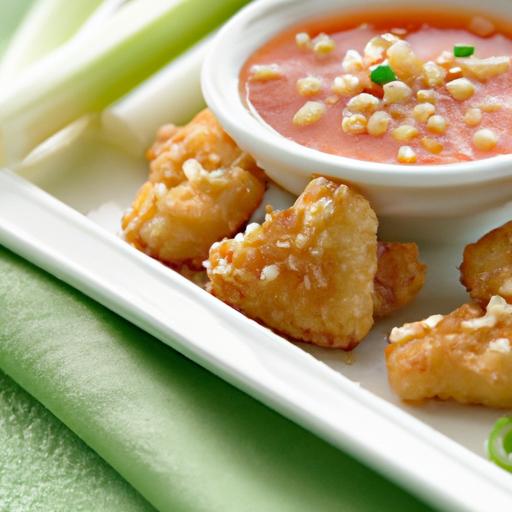
Discovering Seoul’s Street Food Wonders From Tteokbokki to Hotteok
Savor Seoul: Exploring Korea’s vibrant street food scene is an irresistible journey of flavor and texture, where sweet meets spicy, and tradition dances with modern flair. Among the many iconic dishes, tteokbokki – the fiery stir-fried rice cakes – captures hearts with its chewy texture and tongue-tingling sauce, while hotteok delights with its warm, sweet, syrup-filled pockets that caramelize beautifully over a griddle.
Tteokbokki (Spicy Korean Rice Cakes)
This beloved street food staple originated from royal court cuisine and quickly evolved into a popular daily snack for Seoul’s bustling markets. The playful bounce of the rice cakes perfectly complements the rich, spicy sauce made from gochujang (Korean chili paste) and a hint of sweetness – creating an addictive flavor harmony that lingers long after your last bite.
Prep and Cook Time
Prep: 10 minutes | Cook: 15 minutes | Total: 25 minutes
yield
Serves 4 as a snack or light meal
Difficulty Level
Easy
Ingredients
- 1 lb Korean rice cakes (tteok), soaked in warm water for 10 minutes if frozen
- 2 cups water or anchovy broth
- 2 tbsp gochujang (Korean chili paste)
- 1 tbsp gochugaru (Korean chili flakes)
- 1 tbsp soy sauce
- 1 tbsp sugar
- 2 cloves garlic, minced
- 1/2 cup fish cakes, sliced
- 2 green onions, chopped
- 1 tbsp toasted sesame seeds
- Optional: boiled egg halves for garnish
Instructions
- Prepare the sauce: In a large pan, combine water or anchovy broth, gochujang, gochugaru, soy sauce, sugar, and minced garlic. Stir well and bring to a simmer over medium heat.
- add rice cakes and fish cakes: Drain rice cakes and add them to the simmering sauce. Cook for 7-10 minutes until the rice cakes soften and the sauce thickens slightly, stirring occasionally to prevent sticking.
- Incorporate green onions: stir in chopped green onions and cook for an additional 2 minutes, letting their freshness balance the heat.
- Finish and garnish: Transfer to a serving dish, sprinkle toasted sesame seeds, and optionally place boiled egg halves on top for a rich contrast.
Chef’s Notes
- For an even more flavorful broth, use homemade anchovy-dashima broth rather of water.
- Adjust the spiciness by varying the gochugaru quantity or mixing in mild chili paste.
- Try adding mozzarella cheese on top for a gooey, savory twist – a popular Korean fusion variation.
- Tteokbokki is best enjoyed fresh; however, leftovers can be stored in an airtight container for up to 2 days and gently reheated.
Serving Suggestions
Serve tteokbokki steaming hot in rustic ceramic bowls, accompanied by crunchy pickled radish on the side to balance the heat. Add a chilled glass of soju or sweet Korean rice drink (sikhye) for an authentic Seoul street food experiance.

Hotteok (Sweet Korean Pancakes)
Nothing says cozy Korean dessert like hotteok-warm pockets filled with caramelized brown sugar, chopped nuts, and cinnamon that crisp to perfection on a griddle. This snack epitomizes winter comfort on Seoul’s chilly streets and transports you instantly into the heart of Korean festive traditions.
Prep and Cook Time
Prep: 1 hour (including dough resting) | Cook: 15 minutes | Total: 1 hour 15 minutes
Yield
Makes 8 pancakes
Difficulty Level
Medium
Ingredients
- 2 cups all-purpose flour
- 1 tbsp sugar
- 1/2 tsp salt
- 1 tbsp active dry yeast
- 3/4 cup warm water
- 2 tbsp vegetable oil
- 1/2 cup brown sugar
- 1/4 cup chopped walnuts or peanuts
- 1 tsp ground cinnamon
- Oil for frying
Instructions
- Prepare the dough: In a bowl, mix warm water, yeast, and sugar. Let sit for 5 minutes until foamy. Combine flour and salt in a large mixing bowl; gradually add yeast mixture and oil. Knead until smooth and elastic, about 7 minutes.
- let dough rise: cover with a damp cloth and let rise in a warm place for 1 hour or until doubled in size.
- Make filling: In a small bowl, combine brown sugar, chopped nuts, and cinnamon.
- Shape pancakes: Punch down dough and divide into 8 equal balls. Flatten each ball, spoon 1-2 tbsp filling into the center, and carefully pinch edges to seal fully.
- Cook hotteok: Heat a non-stick pan over medium heat and lightly oil it. Place each filled dough ball on the pan and press gently with a spatula to flatten about 1/2 inch thick. Fry for 2-3 minutes until golden brown, then flip and cook second side similarly.
- Caramelize filling: Add a splash of oil and cover pan with a lid for 2-3 minutes more, allowing sugar to melt inside and get deliciously gooey.
- Serve warm: Enjoy hotteok fresh off the pan for the best sweet, crunchy, and chewy experience.
Chef’s Notes
- substitute walnuts with sesame seeds for a traditional nutty flavor.
- if yeast is unavailable, use baking powder (1 tbsp) and skip the rising step, though texture may differ.
- for a healthier twist, swap some flour for whole wheat flour and reduce sugar slightly.
- Hotteok dough can be prepared ahead and refrigerated for up to 24 hours before shaping and cooking.
Serving Suggestions
Pair hotteok with a hot cup of Korean cinnamon punch (sujeonggwa) or barley tea for an authentic street-side dessert experience in Seoul. Garnish with powdered cinnamon or crushed nuts for extra appeal.
| Nutrition | per serving (1 hotteok) |
|---|---|
| Calories | 180 kcal |
| Protein | 3 g |
| carbohydrates | 30 g |
| Fat | 5 g |
To continue your journey through Korean cuisine, discover essential Korean barbecue grilling tips and explore curated restaurants offering authentic bibimbap and japchae.
For deeper insight into gochujang and its cultural significance, visit Korea.net’s K-Food Guide.
Q&A
Q&A: Savor Seoul – Exploring Korea’s Most Iconic Dishes Unveiled
Q1: What makes Seoul’s cuisine stand out on the global food map?
A1: Seoul’s cuisine is a vibrant tapestry woven from tradition, innovation, and bold flavors. It balances ancient recipes passed down through generations with modern culinary twists, creating dishes that are both comforting and exciting. The city’s relentless energy seeps into its food culture, resulting in meals that are as dynamic and diverse as Seoul itself.
Q2: When exploring Seoul’s iconic dishes, where should one start?
A2: A perfect starting point is the humble yet magnificent kimchi. This fermented cabbage side dish sits at the heart of Korean meals, offering a tangy, spicy punch that defines Korean palates. From there, venture into plates like bibimbap, a colorful harmony of rice, veggies, and meat crowned with a sunny-side-up egg-each bite a delightful mosaic of textures and tastes.
Q3: What exactly is bibimbap,and why is it so beloved?
A3: Literally meaning “mixed rice,” bibimbap is a visual and gastronomic feast. Served in a hot stone bowl or a simple ceramic dish, it combines steamed rice with sautéed vegetables, marinated beef, and the signature fiery kick of gochujang (red chili paste). The act of mixing everything just before eating symbolizes unity and balance-two core elements of Korean ideology expressed through food.
Q4: How has street food influenced Seoul’s culinary identity?
A4: Seoul’s bustling streets are an open-air classroom for Korean gastronomy. From crispy tteokbokki (spicy rice cakes) to sweet and chewy hotteok (stuffed pancakes), street food offers fast, affordable snapshots of Korean flavor innovation. This culture of on-the-go eating fuels the city’s fast-paced lifestyle and keeps culinary traditions alive in the hum of everyday life.
Q5: Wich dish best captures the spirit of communal dining in Seoul?
A5: Samgyeopsal, or grilled pork belly, is the perfect ambassador of Seoul’s communal food culture. Gathered around a sizzling grill, diners cook their own meat, wrap it in fresh lettuce with garlic, chili, and dipping sauces, and share laughter alongside bites.It’s an immersive experience that turns eating into an event of connection and celebration.
Q6: Can you recommend a hidden gem dish for adventurous eaters in Seoul?
A6: For those willing to venture off the beaten path, sundae-Korean blood sausage-is a must-try. Made by stuffing pig intestines with a mixture of glass noodles, barley, and pig’s blood, it’s a textural twist that offers a deep dive into Korea’s nose-to-tail culinary philosophy.Frequently enough enjoyed with spicy dipping sauces, it challenges yet rewards with authentic flavors steeped in history.
Q7: How do Korean flavors differ from neighboring cuisines in Asia?
A7: While sharing some common ingredients with its neighbors, Korean cuisine carves its own niche through its distinctive use of fermentation, bold chili heat, and the emphasis on harmony between side dishes (banchan).The interplay of sweet, sour, salty, and umami within a single meal creates a multifaceted taste journey that’s unmistakably Korean.Q8: What role do seasonality and regionality play in Seoul’s iconic dishes?
A8: Though Seoul is a bustling metropolis, it remains deeply connected to the seasons and surrounding regions. Seasonal ingredients like spring’s fresh wild greens or autumn’s hearty root vegetables shape traditional dishes year-round.This celebration of nature’s rythm ensures that each meal resonates with the time and place it’s enjoyed.
Q9: How can visitors best experience Seoul’s food culture firsthand?
A9: To truly savor Seoul, immerse yourself beyond restaurant menus-explore traditional markets like Gwangjang and Namdaemun, join cooking classes, and partake in local festivals celebrating food. Engage with vendors, share meals with locals, and don’t shy away from the unfamiliar.seoul’s food is best experienced with curiosity,openness,and a hearty appetite.
Q10: In one sentence, why should everyone “savor Seoul”?
A10: as in seoul’s iconic dishes lies a flavorful story of heritage, innovation, and communal warmth waiting to be savored bite by unforgettable bite.
Insights and Conclusions
As your culinary journey through Seoul draws to a close, the flavors linger-not just on your palate, but in your memory. From the fiery embrace of kimchi to the delicate dance of bibimbap’s colors and textures, each dish tells a story of tradition, innovation, and a vibrant culture that thrives in every bite. Savor Seoul is more than a feast for the senses; it’s an invitation to explore Korea’s rich heritage through its most iconic dishes. So next time you find yourself craving adventure on a plate, remember that Seoul’s kitchens await, ready to unveil their timeless secrets and satisfy your appetite for finding.
Veggie Fusion blends unlock an extraordinary nutritional symphony by transforming humble vegetables into vibrant, nutrient-dense elixirs that invigorate the body and delight the senses. Marrying the artistry of flavor pairing with superfood boosters, these fresh vegetable juice blends bring a daily dose of vitality that’s as delicious as it is indeed wholesome.
Prep and Cook Time
preparation: 10 minutes
Juicing: 5 minutes
Total Time: 15 minutes
Yield
serves 2 (approximately 16 oz each)
Difficulty Level
Easy – Perfect for beginners and seasoned juicing enthusiasts alike
Ingredients
- 2 medium carrots,peeled and chopped
- 1 large cucumber,sliced
- 4 stalks celery,rinsed and trimmed
- 1 cup fresh spinach leaves,packed
- 1 small green apple,cored and quartered
- 1-inch piece of fresh ginger,peeled
- ½ lemon,peeled and seeds removed
- 1 tsp spirulina powder (superfood addition)
- 1 tbsp chia seeds (optional,for extra omega-3 boost)
- Cold filtered water,as needed to adjust texture
Instructions
- Prepare your produce: Wash all vegetables and fruits thoroughly. Peel carrots, ginger, and lemon to ensure smooth juice texture and a clean taste.
- Feed the juicer: Alternate juicing carrots, cucumber, celery, spinach, green apple, ginger, and lemon to balance flavors and optimize extraction.
- Mix vigorously: combine the freshly extracted juice in a pitcher. Stir in spirulina powder until fully dissolved. If desired, soak chia seeds in a few tablespoons of warm water for 10 minutes and add for a subtle gel-like texture and added nutrients.
- Adjust texture: Add cold filtered water to your liking for a lighter,more refreshing blend or enjoy as is for an intense flavor burst.
- Serve instantly: Pour into chilled glasses and garnish with a celery leaf or thin lemon slice for striking visual appeal.
Chef’s Notes: Tips for Success
- Flavor balance: The sweetness of green apple beautifully counters the slight earthiness of spinach and spirulina, while ginger adds a warming kick.
- Juicer versus blender: If using a blender, add a bit more water and strain the mixture through a fine mesh for a smoother juice experience.
- Make ahead: Juice blends are best consumed fresh but can be stored in an airtight jar in the fridge up to 24 hours to preserve nutrients.
- Substitutions: Replace spirulina with matcha powder for a caffeine-free energy boost; swap celery with kale for a more nutrient-dense green base.
Serving Suggestions
Present your veggie fusion juice in clear highball glasses to showcase its vibrant green-orange hue. Accompany with a sprig of fresh mint or a sprinkle of crushed chia seeds on top for a layered sensory experience. Enjoy alongside a light breakfast like avocado toast or a handful of nuts to complement the energy-boosting properties of the juice.
| Nutrient | Amount per Serving |
|---|---|
| Calories | 120 kcal |
| Protein | 3 g |
| Carbohydrates | 28 g |
| fat | 1 g |
| Fiber | 5 g (with chia seeds) |

Discover more vibrant veggie creations by visiting our Green Smoothie Recipes collection. For scientific insights into the benefits of superfoods used here, explore the NCBI article on Spirulina’s nutritional profile.
Q&A
Q&A: Veggie Fusion – exploring the Power of Vegetable Juice Blends
Q1: What exactly is “Veggie Fusion”?
A1: Veggie Fusion is the art and science of blending various vegetable juices to create vibrant,nutrient-packed concoctions. Think of it as a symphony where each vegetable plays its own unique note, harmonizing to deliver a powerful health boost in every sip.
Q2: why blend vegetables instead of just juicing one type?
A2: Blending a variety of vegetables unlocks a broad spectrum of vitamins,minerals,antioxidants,and phytonutrients. Just like a painter uses many colors for depth and texture, veggie fusion combines flavors and nutrients to maximize health benefits, improve taste, and keep your palate intrigued.
Q3: Which vegetables work best in fusion blends?
A3: Leafy greens like spinach and kale are fan favorites for their iron and fiber. Root veggies such as carrots and beets add natural sweetness and earthiness, while cucumbers and celery contribute refreshing hydration. Get creative-adding a hint of ginger or a squeeze of lemon can elevate your blend into a vibrant masterpiece.
Q4: How do veggie juice blends support overall health?
A4: These blends deliver antioxidants to combat inflammation, vitamins to boost immunity, and fiber to aid digestion (especially if using a blender instead of a juicer). Regularly sipping veggie fusions can enhance energy, promote glowing skin, and support detoxification-all in one delicious glass.
Q5: Can veggie fusion blends replace whole vegetables in my diet?
A5: While veggie juices are nutrient-rich, they should complement-not replace-whole vegetables. Juices frequently enough lack fiber unless blended, which is essential for digestion and satiety. Think of veggie fusion as a vibrant supplement to your meals, not a meal replacement.
Q6: any tips for beginners wanting to try veggie fusion at home?
A6: Start simple! Combine two or three vegetables you enjoy and add a splash of water or coconut water. Invest in a good quality blender to retain fiber and texture. And remember,taste is personal-experiment until you find your signature blend that feels like a joyous celebration of veggies on your tongue.
Q7: What’s the best time to enjoy a veggie juice blend?
A7: Mornings are ideal to kickstart your metabolism and hydrate after sleep, but veggie fusions work anytime you need a rapid nutrient boost. Post-workout blends can aid recovery, while afternoon sips can re-energize without a sugar crash.
Q8: Can veggie fusion impact sustainability?
A8: Absolutely! Using a diversity of local, seasonal vegetables reduces your environmental footprint and supports biodiversity.Plus, veggie fusion encourages creativity with leftovers-think carrot tops or beet greens-helping to minimize food waste in your kitchen.
Embrace the vibrant world of Veggie Fusion and transform everyday vegetables into dazzling elixirs of health and flavor. Happy blending!
The Way Forward
As we’ve journeyed through the vibrant world of vegetable juice blends, it’s clear that veggie fusion is more than just a trend – it’s a powerful gateway to nourishment and creativity in a glass. By embracing the diverse flavors and nutritional benefits of various vegetables, we unlock an easy, delicious way to fuel our bodies and invigorate our taste buds. Weather you’re a seasoned juicer or just beginning to explore, these blends invite you to experiment, customize, and savor the endless possibilities that nature’s bounty offers. So next time you reach for a drink, think beyond the usual – blend boldly, sip mindfully, and let your health flourish with every vibrant drop.