Exploring Plant-Based Proteins That Fuel your Afternoon
Power-Packed Protein from savory legumes, hearty grains, and versatile plant proteins like tofu, tempeh, and seitan can transform your afternoon meal into a vibrant, satisfying experience. These ingredients, celebrated across global cuisines for thier texture and nutrition, offer endless possibilities to craft lunches that don’t just fill you up but energize your day with wholesome goodness and bold flavors.
Imagine a bowl brimming with nutty quinoa,tender chickpeas,and fragrant herbs; or a stir-fry where golden tofu cubes dance alongside crisp vegetables and a zingy marinade. Whether you’re rushing between meetings or savoring a quiet midday break,these recipes bring balance,vitality,and taste in a flash. Here, we dive into delightful combinations and clever ways to include tofu, tempeh, and seitan in your routine, ensuring every bite is as nourishing as it is indeed delicious.
Prep and Cook Time
- Readiness: 15 minutes
- Cooking: 20 minutes
- Total: 35 minutes
Yield
Serves 2 hearty lunches or 3 light meals.
Difficulty Level
Easy to Medium – perfect for weekday meal preps or weekend culinary experiments.
Ingredients
- 1 cup cooked quinoa (or brown rice for a chewier texture)
- 1 cup canned chickpeas, drained and rinsed
- 200g extra-firm tofu, pressed and cubed
- 2 tbsp soy sauce (or tamari for gluten-free)
- 1 tbsp toasted sesame oil
- 1 tsp minced garlic
- 1 tsp grated fresh ginger
- 1 small red bell pepper, thinly sliced
- 1 cup baby spinach
- 2 green onions, chopped
- 1 tbsp rice vinegar
- 1 tbsp maple syrup or agave
- Salt and freshly cracked black pepper, to taste
- 1 tbsp sesame seeds, for garnish
- Fresh cilantro, optional for freshness
Instructions
- Marinate the tofu: In a small bowl, combine soy sauce, maple syrup, minced garlic, and grated ginger. Toss the pressed tofu cubes gently in the marinade and set aside for 10 minutes to absorb the flavors.
- Cook quinoa: If not already cooked, rinse quinoa thoroughly under cold water. Cook according to package instructions (usually 1 part quinoa to 2 parts water). Fluff with a fork and keep warm.
- Sauté tofu and vegetables: Heat sesame oil in a non-stick skillet over medium heat. Add marinated tofu cubes and cook until golden on all sides, about 5-7 minutes, turning carefully. Remove tofu and set aside.
- In the same skillet, add sliced red bell pepper and cook for 3 minutes until slightly softened but still crisp.Toss in baby spinach and cook until just wilted.
- Combine all: Return tofu to the pan, add chickpeas, quinoa, and green onions. Drizzle with rice vinegar and toss gently to combine. Heat through for 2 minutes.
- Season and serve: Adjust with salt and pepper. Transfer to bowls and sprinkle with toasted sesame seeds and fresh cilantro if desired for a burst of color and freshness.
Tips for Success
- Pressing tofu removes excess water, allowing it to absorb marinades deeply and crisp beautifully when cooked.
- Tempeh or seitan can be substituted 1:1 for tofu to mix up textures – try thinly slicing tempeh before marinating.
- Meal prep tip: store cooked quinoa and chickpeas separately from sautéed tofu and veggies to keep everything fresh and avoid sogginess.
- Use a non-stick skillet or well-seasoned pan to get a nice golden crust on your tofu without sticking.
- For an extra punch, drizzle with a sriracha-mayo or tahini sauce right before serving.
Serving Suggestions
This dish shines served warm,garnished with a wedge of lime for added brightness,or cooled slightly for a vibrant grain bowl perfect for packed lunches. Pair alongside a crisp cucumber salad tossed in lemon juice or a side of roasted sweet potatoes for an energizing balance. The color contrast of the ruby red pepper, emerald spinach, and golden tofu creates an eye-catching plate that invites you to savor each bite.

| Nutrient | Per Serving |
|---|---|
| Calories | 420 kcal |
| Protein | 24 g |
| Carbohydrates | 45 g |
| Fat | 12 g |
For more inspiration on plant-powered meals that keep your body and mind fueled,check out our detailed guide on vegetarian dinner recipes.For science-backed benefits of legumes and grains, visit Harvard T.H. Chan School of Public Health’s Legume Facts.
Q&A
Q&A: Power-Packed Protein: Delicious Vegetarian Lunch Ideas
Q1: Why is protein important in a vegetarian lunch?
A1: Protein is the building block of our bodies-it fuels muscles, supports brain function, and keeps energy levels steady. For vegetarians, getting enough protein means choosing the right plant-based sources that nourish and satisfy, making lunch both delicious and power-packed.
Q2: What are some top vegetarian protein sources for lunch?
A2: Think beyond tofu! Lentils, chickpeas, quinoa, Greek yogurt, tempeh, edamame, nuts, seeds, and a medley of beans are protein champions. These ingredients not only deliver protein punch but add texture, flavor, and vibrant nutrients to your midday meal.
Q3: Can you suggest a quick, protein-rich vegetarian lunch idea?
A3: absolutely! Try a quinoa and black bean salad tossed with fresh veggies, avocado, lime, and a sprinkle of feta cheese.It’s colorful, creamy, and packs a protein-packed punch that keeps hunger at bay and taste buds happy.
Q4: How can vegetarians ensure they’re eating enough protein throughout the day?
A4: Variety is key! Combine different plant proteins to get a complete amino acid profile. Include a protein source at every meal-think nut butter on whole grain bread, lentil soup, or a chickpea and spinach curry. Snacks like roasted chickpeas or Greek yogurt with seeds also help bridge the gap.Q5: Are there any secret ingredients to boost protein in vegetarian lunches?
A5: Absolutely! Nutritional yeast adds a cheesy flavor plus a protein boost. Hemp seeds sprinkle an earthy nuttiness and complete protein profile. Also, consider spirulina or pea protein powders blended into smoothies or dressings for subtle but mighty protein power.Q6: How can vegetarians keep lunches exciting while focusing on protein?
A6: Experiment with global flavors! Swap out plain beans for spicy harissa chickpeas,or marinate tofu in Asian-inspired sauces. Incorporate grains like farro or bulgur for a chewy bite. The secret sauce is creativity-try new recipes, colorful veggies, herbs, and zesty dressings to keep your lunches fresh and packed with protein.
Q7: Any final tips for making vegetarian lunches both tasty and protein-rich?
A7: Balance is everything! Combine proteins with fiber-rich veggies and healthy fats to create satisfying, energizing meals. Prep ahead to save time-batch cook lentils or roast a tray of mixed beans. And don’t forget to savor each bite-eating well is both fuel and joy!
The Conclusion
As you embark on your journey to power-packed lunches,remember that plant-based proteins aren’t just nutritious-they’re a vibrant invitation to explore flavors,textures,and colors that energize your day. Whether you’re blending legumes, nuts, seeds, or dairy delights, these delicious vegetarian options prove that fueling your body and delighting your palate can go hand in hand. So next time you pack your midday meal, let creativity and protein-rich plants lead the way to a lunch that’s as satisfying as it is nourishing. After all, a well-fueled afternoon starts with the power of plants on your plate.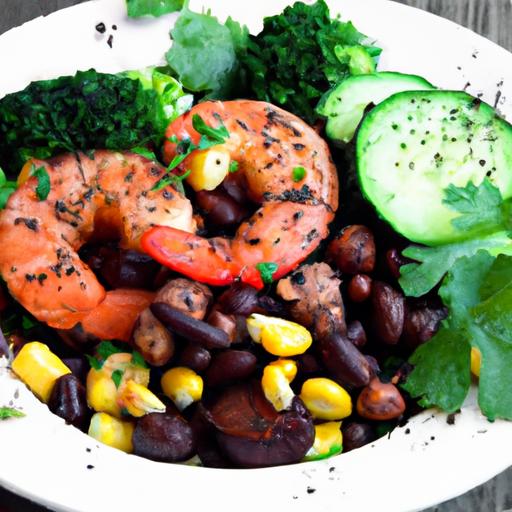
Unlocking Plant-Powered Protein: A Hearty Lentil, Walnut & Quinoa Buddha Bowl
Power-Packed Plant Plates: High-Protein Vegetarian Dinners start with vibrant, nutrient-dense combinations that tantalize both the palate and the body. This hearty lentil, walnut & quinoa Buddha bowl is a shining example-a colorful medley inspired by Middle Eastern flavors and my personal journey to create balanced, satisfying vegetarian meals after transitioning to plant-based eating.
Combining protein-rich legumes, crunchy nuts, and wholesome seeds, this bowl delivers robust textures and layers of earthy, nutty, and zesty notes. More importantly, it’s designed to maximize nutrient absorption, balancing iron, zinc, and vitamin C sources to fuel your evenings with sustained energy and delight.
prep and Cook Time
- Planning: 15 minutes
- cooking: 30 minutes
- Total Time: 45 minutes
Yield
Serves 4 generous portions
Difficulty Level
Easy to Medium – perfect for weeknight dinners or meal prep
Ingredients
- 1 cup green lentils, rinsed and drained
- 3/4 cup quinoa, rinsed thoroughly
- 1/2 cup walnuts, toasted roughly chopped
- 2 tbsp chia seeds
- 1 large carrot, peeled and julienned
- 1 cup cherry tomatoes, halved
- 1 small cucumber, diced
- 3 cups fresh baby spinach
- 1/4 cup fresh parsley, finely chopped
- 1/4 cup fresh lemon juice (about 2 lemons)
- 3 tbsp extra virgin olive oil
- 2 cloves garlic, minced
- 1 tsp ground cumin
- Salt and freshly ground black pepper to taste
- 1/2 tsp smoked paprika
- Optional: 1/4 cup crumbled feta or vegan cheese for topping
Instructions
- Cook the lentils: In a medium saucepan, add lentils and 3 cups of water. bring to a boil,then reduce to a simmer. Cook uncovered for 20-25 minutes until tender but not mushy. Drain excess water and season lightly with salt. Set aside.
- Prepare the quinoa: While lentils cook, combine quinoa with 1 1/2 cups water in another pot. Bring to a boil, cover, reduce heat to low, and simmer for 15 minutes or until water is absorbed. Fluff with a fork and set aside to cool.
- Toast the walnuts: In a dry skillet over medium heat, toast walnuts for 3-5 minutes until fragrant and golden, stirring frequently enough to prevent burning.Remove from heat and roughly chop.
- Mix the dressing: In a small bowl, whisk together olive oil, lemon juice, minced garlic, ground cumin, smoked paprika, salt, and pepper until emulsified.
- Assemble the bowl: In a large bowl, combine cooked lentils, quinoa, baby spinach, carrots, cucumbers, cherry tomatoes, chia seeds, walnuts, and parsley. Pour dressing over and toss gently to coat all ingredients evenly.
- Serve: Divide the mixture into serving bowls, garnish with optional crumbled feta or vegan cheese, and an extra sprinkle of chopped parsley or seeds for crunch.
Chef’s Notes
- Boosting nutrient absorption: Adding lemon juice helps convert plant-based iron into a form the body can absorb easily, making this bowl both delicious and nutritionally strategic.
- Legume swap: Red lentils or chickpeas can replace green lentils for a different texture and flavor.
- Nuts and seeds variations: Try substituting walnuts with toasted pistachios or hemp seeds for a unique twist.
- Make-ahead option: Prepare all components in advance and store separately. Assemble just before serving to maintain freshness and texture.
- Vegan adaptation: Simply omit feta cheese or replace it with a tangy vegan option-nutritional yeast sprinkled on top also adds a cheesy note.
Serving Suggestions
This bowl shines as a standalone dinner but can also be paired with warm,crusty whole grain bread or a side of roasted seasonal vegetables. Garnish with freshly cracked black pepper, a drizzle of extra virgin olive oil, and a lemon wedge for an added zing. For a vibrant table presentation, serve in deep bowls highlighting the colorful layers of ingredients, with a small ramekin of tahini sauce on the side for creamy indulgence.
| Nutrient | Per Serving |
|---|---|
| Calories | 420 kcal |
| Protein | 22 g |
| Carbohydrates | 45 g |
| Fat | 15 g |
Explore more high-protein vegetarian snacks to complement your dinner choices. For deeper nutrient insights on plant proteins, visit Harvard T.H. Chan School of Public Health.

Q&A
Q&A: Power-Packed Plant Plates – High-Protein Vegetarian Dinners
Q1: Why focus on high-protein vegetarian dinners? Aren’t plants low in protein?
A1: It’s a common myth that plant-based diets lack protein. In truth, many vegetables, legumes, grains, nuts, and seeds pack a hefty protein punch.Focusing on high-protein vegetarian dinners ensures you get the essential building blocks for muscle repair, energy, and overall vitality-all without meat. Think of it as unlocking the hidden powerhouses within nature’s bounty.
Q2: What are some standout plant-based protein sources to include in dinner?
A2: Lentils, chickpeas, black beans, quinoa, tofu, tempeh, edamame, and seitan are standout stars on the vegetarian protein stage. Plus, nuts like almonds and seeds such as chia or hemp add both protein and healthy fats. Combining these ingredients creatively makes every plate a delicious protein powerhouse.
Q3: How can I boost the protein content of a typical vegetarian dish?
A3: Layering is key! Start with a base of legumes or tofu, add a sprinkle of seeds or nuts for crunch, toss in some quinoa or farro to up the oats, and finish with nutrient-dense greens. This symphony of ingredients not only maximizes protein but also creates rich textures and vibrant flavors.
Q4: are there any drawbacks to eating high-protein vegetarian dinners?
A4: For most people, the benefits far outweigh any concerns. However, because plant proteins often lack one or two essential amino acids, variety is vital. Mixing different proteins throughout your meal ensures a complete amino acid profile. Drinking plenty of water and eating fiber-rich veggies also helps with digestion.
Q5: Can these high-protein plant plates satisfy heavy meat-eaters?
A5: Absolutely! Well-planned vegetarian plates can be hearty, filling, and flavor-packed. Ingredients like smoked tempeh, spiced seitan, or a robust lentil stew bring umami and depth that satisfy even carnivorous cravings. Plus, the vibrant colors and textures make every meal feel special and satisfying.
Q6: Any tips for making these dinners fast and easy?
A6: Batch-cook staples like beans, grains, and roasted veggies early in the week. Keep quick-cooking proteins like tofu or tempeh handy. Prepping sauces and dressings ahead of time gives instant flavor boosts. Then, mix and match your prepped ingredients for creative, speedy meals that don’t skimp on protein or taste.
Unlock your dinner table’s potential with power-packed plants-because eating vegetarian doesn’t mean skimping on protein or satisfaction!
In Conclusion
As the quest for nutritious, satisfying, and environmentally kind meals continues, power-packed plant plates stand out as a shining beacon on the dinner table. These high-protein vegetarian dinners prove that you don’t need meat to fuel your body with strength and vitality. Whether you’re a dedicated vegetarian or simply exploring meatless options, embracing these vibrant, nutrient-rich dishes can transform your meals into celebrations of flavor and wellness. So next time you’re planning dinner, remember: the power of plants is not just a trend-it’s a delicious, sustainable way to nourish yourself from the inside out.
