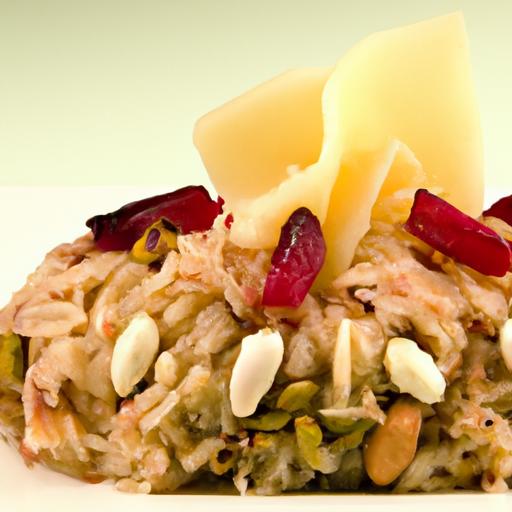

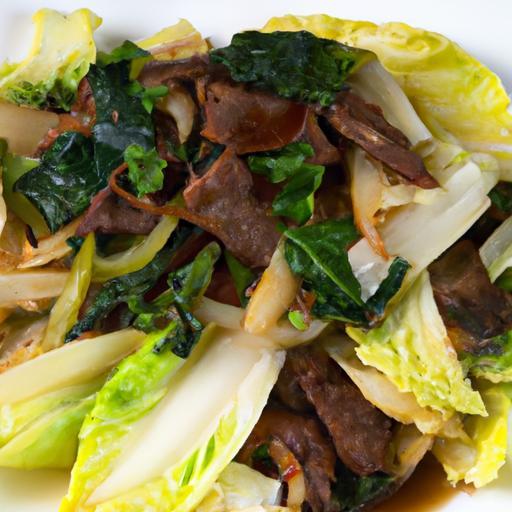
In the heart of Persian cuisine lies a golden treasure that captivates both the eyes and the palate: Tahdig. This crispy, caramelized crust of rice, frequently enough referred to as the “crown jewel” of Persian meals, transforms a simple bowl of rice into a sensory celebration. Tahdig is more than just a cooking technique-it’s a ritual of patience, precision, and passion, revealing a secret charm that has enchanted generations. Join us as we delve into the magic behind Tahdig, exploring how this beloved crispy layer turns humble rice into an iconic symbol of Persian hospitality and culinary artistry.
Tahdig Magic begins with mastering the golden crust, an irresistible hallmark of Persian rice that beckons with its crunchy texture and delicate flavor. This culinary treasure, cherished across generations, transforms humble rice into a sensory delight-crispy on the outside, fluffy within, and infused with fragrant, subtly nutty notes.Whether you’re recreating a family feast or exploring Persian cuisine’s soul, understanding how to craft this perfect crust elevates your cooking to an art form.
Prep and Cook time
Preparation: 15 minutes | Cooking: 45 minutes | Total Time: 1 hour
Yield
Serves 4 to 6 people
Difficulty Level
Medium – requires patience and attention to achieve that signature crisp without burning
Essential Ingredients That Elevate Tahdig’s Flavor
- 2 cups basmati rice, washed and soaked for at least 1 hour
- 4 cups water, for boiling
- 1/4 cup vegetable oil or clarified butter (ghee), for richness and crisping
- 1/2 teaspoon salt, to enhance the flavor of rice
- 1/3 cup plain yogurt, for tenderizing and helping form the crust
- 1/2 teaspoon saffron threads, soaked in 2 tablespoons warm water to infuse aroma and a hint of golden color
- Optional: thinly sliced potatoes or lavash bread, for unique texture variations in your tahdig
Techniques to Master the Crispy Texture Every Time
- Prepare the rice: Rinse the basmati rice several times until the water runs clear. Soak for at least 1 hour to achieve fluffy grains post-cooking.
- Parboil the rice: In a large pot,bring water to a rolling boil,add salt and the soaked rice. Stir gently to prevent sticking. Boil until grains are soft but still firm at the center, about 6-8 minutes. Drain thoroughly.
- Infuse saffron: While rice cooks, soak saffron threads in warm water, allowing their essence to bloom and deepen in color.
- Prepare the pan: Heat oil or ghee over medium heat in a non-stick or thick-bottomed pot. For extra flair, spread a thin layer of plain yogurt brushed evenly on the bottom; it helps the crust stick while adding slight tanginess.
- Layering the base: Optionally, arrange thin potato slices or a sheet of lavash bread over the oil for a textural twist. This base transforms the tahdig with a crunchy exterior that’s irresistibly different from the classic rice crust.
- Add the rice: Gently mound the parboiled rice on top, shaping it into a dome. Drizzle the saffron water evenly over to infuse luxurious color and aroma.
- Steam to perfection: Prick a few holes in the rice mound using a fork to allow steam release. Cover with a tight lid wrapped in a clean kitchen towel to trap moisture without dripping back, crucial for achieving a fluffy interior while the crust crisps.
- Cook low and slow: Reduce heat to the lowest setting and cook for 30-40 minutes. Listen closely for a gentle crackle-signaling that the golden crust is forming without burning.
- The reveal: Onc done,remove from heat and let stand for 5 minutes before carefully inverting the pot onto a large serving platter,unveiling the signature golden tahdig.
Chef’s Notes for Tahdig Magic Success
- Choose the right rice: Long-grain basmati is ideal for its fragrance and grain separation but experiment with Persian rice varieties if available.
- Heat control is key: Cooking on too high heat risks burning the crust; patience creates deep, even crispness.
- yogurt adds texture: Brushing the pan bottom with a yogurt-oil mix lends the crust a subtle tang and helps it cling to the pot.
- Variations: Swap potatoes with thinly sliced eggplant or flatbread for choice tahdig styles.
- Make-ahead: Prepare the rice and let cool; reheat gently with oil and steam to revive crispiness.
- Troubleshooting: If tahdig sticks, choose a heavier pot with a non-stick coating next time, and ensure adequate oil coverage.
Serving Suggestions to Celebrate Persian Rice’s Signature Charm
Present tahdig as the centerpiece, lifting the crispy crust to reveal the fluffy rice beneath. Garnish with freshly chopped parsley and toasted slivered almonds for texture and fragrance. Pair with rich Persian stews like Ghormeh Sabzi or saffron-infused kebabs from Britannica for a feast full of authenticity. Offer a side of tangy yogurt salad or pickled vegetables to balance the warm, buttery crunch with brightness.

| Nutrient | Per Serving |
|---|---|
| Calories | 320 kcal |
| Protein | 6 g |
| Carbohydrates | 65 g |
| Fat | 7 g |
Q&A
Q&A: Tahdig Magic – Unveiling Persian Rice’s Crispy Charm
Q1: What exactly is Tahdig, and why is it so special in Persian cuisine?
A1: Tahdig is the golden, crispy crust formed at the bottom of a pot of Persian rice. More than just a delightful crunch,it’s a cherished culinary treasure symbolizing patience,tradition,and the art of rice cooking. Its crackling texture and nutty aroma turn a simple staple into a spectacular experience.
Q2: How does Tahdig achieve its signature golden crust?
A2: The magic lies in technique and timing.After parboiling the rice, it’s steamed with a combination of oil or butter over low heat. This slow, gentle cooking caramelizes the starch at the pot’s base, creating that irresistible crunchy layer that’s simultaneously tender and toasted.Q3: Are there variations of Tahdig beyond plain rice crust?
A3: Absolutely! While classic Tahdig forms from plain rice, Persian cooks frequently enough get creative. Thin slices of potato, bread, or even yogurt-infused rice can serve as the crust base, each adding unique flavors and textures. Saffron or turmeric might also be sprinkled in for a vibrant color and aromatic flair.
Q4: What cultural importance does Tahdig hold in Persian households?
A4: Tahdig is more than food – it’s a centerpiece of gatherings and celebrations. Families often compete playfully over the prized crust, which embodies hospitality and culinary pride. Sharing Tahdig reflects warmth, generosity, and the joy of Persian communal dining.
Q5: Can beginners master the art of perfect Tahdig?
A5: With a bit of patience and a few tips,anyone can create Tahdig magic. Key pointers include selecting the right rice (usually long-grain basmati), controlling heat carefully, and using adequate oil or butter to prevent sticking. It might take a try or two, but the crunchy reward is worth every effort.
Q6: How does Tahdig enhance the overall experience of eating Persian rice?
A6: Tahdig adds a textural and flavor dimension that transforms the meal from ordinary to remarkable.Its contrast of crunchy exterior and soft interior delights the senses, inviting eaters to savor each bite differently-from fluffy grains to crusty morsels-making Persian rice truly unforgettable.
Q7: Where does Tahdig fit within the global panorama of rice dishes?
A7: While many cultures boast their own crispy rice delights-from Korea’s nurungji to Spain’s socarrat-Tahdig stands out for its delicate balance of simplicity and elegance. It’s a proud marker of Persian culinary artistry, reminding us that even humble ingredients can yield magical results with love and skill.
Unlocking the secret of Tahdig means embracing a crispy charm that speaks of centuries-old tradition, technique, and a little bit of kitchen enchantment.Whether for a festive feast or a humble meal, it’s the golden heart of Persian rice that beckons you to crunch, savor, and celebrate.
final Thoughts
As the golden crust of tahdig emerges from beneath the fluffy mound of Persian rice, it reveals more than just a culinary delight-it embodies centuries of culture, patience, and mastery. This crispy crown, with its perfect balance of crunch and aroma, transforms a simple grain into an unforgettable experience. Whether you’re a seasoned cook or a curious food lover, embracing the magic of tahdig offers a delicious gateway into Persian heritage. So next time you gather around the table, remember: beneath every grain of rice lies the promise of that irresistible, crispy charm waiting to be uncovered.