

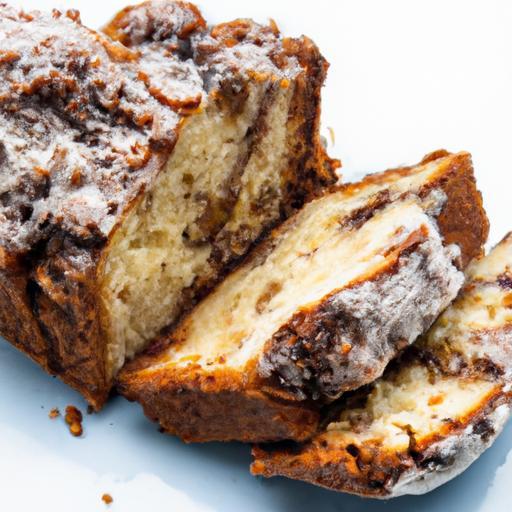
theres something undeniably inviting about the warm, crumbly embrace of a perfectly baked coffee cake-a humble delight that has quietly claimed its place in kitchens and cafés around the world. More than just a sweet accompaniment to your morning cup, coffee cake carries with it stories steeped in tradition, culture, and comfort. In this article, we’ll journey through the fascinating history behind this beloved treat, uncovering its origins and evolution, before diving into essential recipe insights that will help you recreate its cozy charm at home. whether your a seasoned baker or simply a fan of all things sweet and satisfying, prepare to discover why coffee cake remains a timeless symbol of warmth and hospitality.
The Cozy Charm of Coffee Cake: History and Recipe Insights invites us on a flavorful journey through one of the most comforting and beloved baked treats. This cake, rich with a crumbly streusel topping and a moist, tender crumb, has evolved from humble origins to become a staple in kitchens and cafés worldwide. originally inspired by European yeast cakes and German “kuchen,” coffee cake gained widespread popularity in America where it was perfectly suited for pairing with a morning or afternoon cup of coffee. The beauty of this classic lies not only in its warm aromatic spices and buttery streusel but also in its wonderful versatility that invites endless personalization.
Prep and Cook Time
- preparation: 15 minutes
- Cooking: 40 minutes
- Total: 55 minutes
Yield
Serves 8 to 10 generous slices, perfect for sharing over warm conversation.
Difficulty Level
easy – Ideal for beginner and intermediate bakers seeking cozy flavors without fuss.
Ingredients
- 1 ½ cups all-purpose flour, sifted
- 1 tsp baking powder
- ½ tsp baking soda
- ½ tsp salt
- 1 tsp ground cinnamon
- ½ cup unsalted butter, softened
- ¾ cup granulated sugar
- 2 large eggs, at room temperature
- 1 tsp pure vanilla extract
- 1 cup sour cream or plain Greek yogurt
- For the streusel topping:
- ½ cup light brown sugar, packed
- ½ cup all-purpose flour
- 1 tsp ground cinnamon
- 4 tbsp unsalted butter, cold and cubed
- ½ cup chopped walnuts or pecans (optional)
Instructions
- Preheat your oven to 350°F (175°C). Grease a 9-inch square baking pan or line with parchment paper for easy removal.
- Combine the dry cake ingredients: In a medium bowl,whisk together the flour,baking powder,baking soda,salt,and cinnamon. Set aside.
- Cream the butter and sugar: In a large bowl, beat the softened butter and granulated sugar until light and fluffy, about 3 minutes, using a hand mixer or stand mixer.
- Add eggs and vanilla: Beat in the eggs one at a time, ensuring each is fully incorporated before adding the next, followed by the vanilla extract.
- Incorporate dry ingredients and sour cream: Gradually add the flour mixture alternately with the sour cream, beginning and ending with the flour mixture. Mix just until combined-overmixing will affect the tenderness.
- Prepare the streusel topping: In a small bowl, combine brown sugar, flour, and cinnamon. Using a pastry cutter or your fingertips, cut in the cold butter until the mixture resembles coarse crumbs. Stir in the chopped nuts if using.
- Assemble: Pour the batter into the prepared pan and spread evenly. Sprinkle the streusel topping generously over the batter.
- Bake: Place in the preheated oven and bake for 38-42 minutes,or until a toothpick inserted into the center comes out clean or with just a few moist crumbs clinging.
- cool and serve: Allow the cake to cool in the pan for 15 minutes before slicing. Serve warm or at room temperature for the best texture and flavor.
Tips for Success: Mastering texture and Flavor Balance
- Use sour cream or Greek yogurt for moisture and a subtle tang that brightens the rich buttery flavors.
- Room temperature ingredients blend more smoothly, ensuring a tender crumb without dense spots.
- Don’t overmix the batter after adding flour; a gentle fold yields a soft, fluffy cake.
- For a nut-free version, replace walnuts with toasted coconut flakes or skip altogether.
- Store leftovers tightly covered at room temperature for up to 3 days or freeze slices wrapped in plastic wrap and foil for up to 2 months.
Serving Suggestions: Elevate Your Coffee Cake Experience
Savor your slice alongside a rich, freshly brewed cup of coffee or a spiced chai latte for an indulgent treat. Garnish with a light dusting of powdered sugar or a drizzle of vanilla glaze for added elegance. Serve with fresh berries or a dollop of whipped cream to add a fresh and creamy contrast to the crumbly, spiced textures of the cake.
| Nutritional Info | Per Serving (1 slice) |
|---|---|
| Calories | 310 kcal |
| Protein | 5 g |
| Carbohydrates | 42 g |
| Fats | 13 g |

The Origins and Evolution of Coffee Cake Through the Ages
The story behind coffee cake begins in medieval Europe where simple yeast-risen breads were sprinkled with cinnamon sugar before baking. German immigrants brought versions of these breads, called “kuchen,” to America in the 19th century.Over time, what started as a rustic bread evolved into the tender, tender crumb cake we cherish today, often enriched with sour cream or buttermilk and crowned with a cinnamon-spiced streusel. This evolution captures the cozy, inviting essence that makes coffee cake a timeless favorite.
Signature Ingredients That Define the Perfect Coffee Cake
Key to every coffee cake is a blend of warm spices-primarily cinnamon-paired with a buttery streusel topping that contrasts delightfully with the tender, moist crumb. the use of sour cream or yogurt adds an irresistible tang and moisture, while the option to include nuts gives a textural sparkle. Balancing these elements ensures every bite reminds you why this cake pairs so perfectly with a warm mug.
Expert Tips and Variations to Elevate Your Coffee Cake Experience
- Swap conventional streusel for a crumb topping featuring oats and brown sugar for added chewiness.
- Try adding fresh fruits like blueberries or diced apples into the batter for a fruity twist.
- For a decadent version, swirl in a ribbon of cream cheese filling before baking.
- Experiment with spices such as nutmeg, cardamom, or ginger to add depth and warmth.
- For an ultra-moist crumb, substitute half the butter with vegetable oil or melted coconut oil.
Learn more about baking techniques by visiting King Arthur Baking,a trusted resource for bakers of all levels.
Ready to explore a variety of breakfast treats? Check out our best banana bread recipes for another cozy classic.
Q&A
Q&A: The Cozy Charm of Coffee Cake – History and Recipe Insights
Q1: What exactly is coffee cake, and how did it get its name?
A: Coffee cake is a tender, sweet cake often enjoyed alongside a warm cup of coffee. Despite its name, it doesn’t actually contain coffee. Instead, the name reflects its perfect pairing with the morning or afternoon brew-making it a beloved companion during coffee breaks. Historically, it emerged in Central Europe, where sweet yeast cakes were served with coffeehouses in the 17th century, evolving into the crumbly, buttery delights we know today.
Q2: What are the origins of coffee cake?
A: Coffee cake traces its roots to the traditional yeast cakes of Germany and Scandinavia, frequently enough featuring cinnamon and nuts. Early versions were less sweet and more bread-like, meant to be paired with the bitter coffee drink that was becoming popular across Europe. As baking techniques advanced in America, the cake transformed into a sweeter, crumb-topped version, reflecting regional twists and the availability of new ingredients.
Q3: What are the key characteristics that define a classic coffee cake?
A: Classic coffee cake usually boasts a moist, tender crumb enriched with butter, a swirl or topping of cinnamon and sugar, and a streusel crumble of flour, butter, and brown sugar. Nuts like walnuts or pecans often make an appearance, adding texture and warmth. Some versions include fruit fillings or glazes, but the hallmark is always its balance of sweet and spice, perfectly crafted to complement a steaming cup of coffee.
Q4: How does coffee cake differ from other cakes or pastries?
A: Unlike many formal cakes designed for celebrations, coffee cake is all about casual comfort. It’s less sweet than dessert cakes, with a crumbly texture rather than a frosted finish.It’s a “slice of home”-inviting, simple, and designed for daily enjoyment rather than extravagance, often served in a single-layer square or loaf form rather than tiered or ornate arrangements.
Q5: Can you share some tips for making coffee cake at home?
A: Absolutely! First, don’t skimp on the streusel topping-it’s the star that adds crunch and sugary spice. Use room-temperature butter for a tender crumb, and be gentle when mixing to avoid overworking the batter. Cinnamon is classic, but feel free to experiment with nutmeg or cardamom for a twist. Baking in a well-greased pan helps with easy serving, and letting the cake cool slightly enhances its rich flavor. Serve warm or at room temperature with coffee or tea.
Q6: Are there popular variations of coffee cake around the world?
A: Yes! In Germany, they have the “Streuselkuchen,” a yeast-based cake with a generous crumble topping. Scandinavians enjoy “Kanelkake,” a cinnamon roll-inspired cake with cardamom accents.In the U.S., recipes range from simple crumb-topped cakes to more elaborate versions with fruit fillings like blueberry or apple. Each version embraces local flavors and baking traditions, showcasing coffee cake’s versatility and universal appeal.
Q7: Why does coffee cake evoke such a strong sense of comfort and nostalgia?
A: Coffee cake feels like a warm hug because it’s deeply tied to rituals of pause and connection-a morning moment before the day begins, a shared snack between friends, or a simple treat during a cozy afternoon. Its familiar spices and homey texture evoke memories of kitchens, family gatherings, and slow moments.This nostalgic charm is part of why coffee cake remains ever-popular, embodying coziness in every bite.
Whether you prefer it crumbly or swirled, rich with nuts or studded with fruit, coffee cake’s enduring charm lies in its warm invitation to slow down and savor life’s simple pleasures.
Insights and Conclusions
As the comforting aroma of coffee cake continues to waft through kitchens old and new, its timeless appeal reminds us that some flavors are more than just taste-they’re a warm invitation to pause, savor, and connect. from its storied origins to the delightful variations that grace modern tables, coffee cake holds a special place in our culinary hearts. Whether you’re a seasoned baker or simply a lover of sweet, tender crumb, embracing the cozy charm of coffee cake is a reminder that history and homemade goodness truly rise together. so next time you slice into a piece of this humble treat, remember: you’re partaking in a delicious tradition that has been warming souls one crumb at a time.