
Ther’s a culinary charm in the way Greek yogurt effortlessly transforms simple ingredients into a luscious, creamy delight known as tzatziki. Beyond its refreshing tang and garlicky punch lies a secret that has been cherished in Mediterranean kitchens for generations-a secret rooted in the very texture and richness of authentic Greek yogurt. This velvety base is not just a carrier of flavors; it’s the heart of tzatziki’s irresistible creaminess, elevating a humble dip into a timeless staple. in this article, we’ll uncover what makes Greek yogurt truly special, explore its customary preparation, and reveal why its creamy magic is essential to the authentic taste of tzatziki.
The creamy secret behind authentic Greek yogurt tzatziki lies not only in its luscious texture but also in the meticulous art of preparation-the kind that transforms simple ingredients into a vibrant, irresistibly fresh dip bursting with Mediterranean soul.Originating from the sun-drenched villages of Greece, tzatziki has been a symbol of hospitality and wholesome flavor, celebrated for its balance of cool tanginess and herbaceous brightness. Having refined this recipe through countless kitchen experiments and festive gatherings,I’m excited to share the insider techniques that will inspire you to craft tzatziki worthy of any Greek celebration.
Prep and Cook Time
- Preparation: 20 minutes (plus 2-3 hours for straining yogurt)
- Cook Time: 0 minutes
- Total time: Approximately 2 hours 20 minutes
Yield
serves 6 as an appetizer or condiment
difficulty Level
Easy – perfect for both beginners and seasoned home cooks
Ingredients
- 2 cups full-fat Greek yogurt, strained for ultimate creaminess
- 1 medium cucumber (about 8 oz), peeled, seeded, and finely grated
- 2 cloves garlic, minced or pressed
- 2 tbsp extra virgin olive oil, cold-pressed for robust flavor
- 1 tbsp white wine vinegar or freshly squeezed lemon juice
- 1 tbsp fresh dill, finely chopped (or substitute with fresh mint for variation)
- Salt, to taste (start with ½ tsp)
- Freshly ground black pepper, to taste
Instructions
- Strain the yogurt: place a fine-mesh sieve or cheesecloth-lined colander over a bowl. Spoon in the full-fat Greek yogurt and allow it to drain in the refrigerator for at least 2 hours.This concentrates the yogurt, removing any excess whey, which is key to achieving that velvety texture.
- Prepare the cucumber: Grate the peeled and seeded cucumber. Place the grated cucumber into a clean kitchen towel and squeeze firmly to remove excess moisture.this step prevents watery tzatziki and intensifies flavors.
- Combine ingredients: In a chilled mixing bowl, blend the strained yogurt with the grated cucumber, minced garlic, olive oil, and white wine vinegar (or lemon juice).
- Season: Stir in the fresh dill, and season with salt and black pepper gradually-taste as you go. The balance of salt and acid will brighten the entire dish.
- Chill and meld: cover the bowl and refrigerate for at least 1 hour, allowing the flavors to mingle and deepen. This resting step elevates the dining experience.
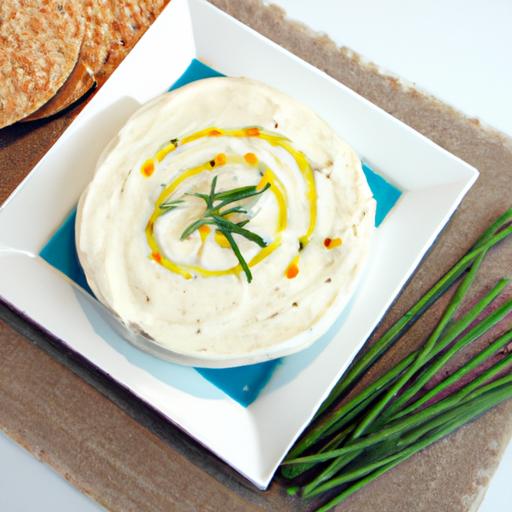
- Serve: Before serving, give a gentle stir. Drizzle a little extra olive oil on top, and garnish with a sprig of dill and a dusting of ground black pepper for visual appeal.
Tips for Success
- Use whole-milk yogurt: The creaminess depends heavily on quality yogurt. Avoid low-fat options for the richest texture.
- Straining methods: Cheesecloth yields the creamiest yogurt texture, but coffee filters work in a pinch.
- Garlic intensity: Adjust the garlic to your preference-fresh garlic is essential, but crushing it and letting it rest a few minutes before mixing mellows pungency.
- Herb variations: Traditional dill is classic, yet fresh mint or parsley can add intriguing flavor profiles.
- Make ahead: Tzatziki tastes even better after a day as the flavors marry beautifully.
- Keep it cool: Always serve chilled to preserve freshness and enhance the yogurt’s luxurious mouthfeel.
Serving Suggestions
- Serve tzatziki as a cooling dip alongside warm pita bread or crisp vegetable crudités.
- Use it as a sauce for grilled lamb,chicken souvlaki,or roasted vegetables.
- Enhance Mediterranean bowls by dolloping tzatziki atop grains, falafel, or kebabs.
- For an elegant appetizer, fill small endive leaves or hollowed cherry tomatoes with tzatziki and garnish with extra herbs.
- finish with a drizzle of high-quality extra virgin olive oil and a sprinkle of smoked paprika for a stunning presentation.
| nutrient | Per Serving |
|---|---|
| Calories | 90 kcal |
| Protein | 6g |
| Carbohydrates | 3g |
| Fat | 6g |

Discover the classic technique behind this creamy delight in our Mediterranean Dips Guide and explore more flavor-packed options. For further in-depth understanding of dairy fermentation and yogurt quality, the National Dairy Council offers expert insights worth exploring.
Q&A
Q&A: The Creamy Secret Behind Authentic Greek Yogurt Tzatziki
Q1: What makes Greek yogurt the star ingredient in authentic tzatziki?
A1: Greek yogurt is the creamy foundation of authentic tzatziki, prized for its thick, velvety texture and tangy flavor. Unlike regular yogurt,it’s strained multiple times to remove excess whey,resulting in a rich,dense consistency that holds up beautifully when mixed with cucumber,garlic,and herbs. This creamy base not only thickens the sauce but also lends a refreshing tartness that’s essential for classic tzatziki’s signature zing.
Q2: Why can’t you just substitute Greek yogurt with regular yogurt?
A2: While regular yogurt can be used in a pinch, it won’t give you that luscious thickness or the same flavor depth.Regular yogurt contains more liquid and is less concentrated, making tzatziki thinner and less creamy.The straining process in Greek yogurt intensifies the taste and creates the iconic spoonable texture that clings perfectly to pita, grilled meats, or veggies.
Q3: How does the creaminess of Greek yogurt influence the overall taste and experience of tzatziki?
A3: The luxurious creaminess of Greek yogurt acts like a flavor canvas, balancing the punch of garlic and the crisp freshness of cucumber with smooth tangy richness. This harmony transforms tzatziki from a mere dip to a sensory experience-each bite cools, soothes, and enlivens the palate. It’s this luscious mouthfeel that makes every spoonful irresistibly decadent and authentically Greek.Q4: Is there a secret technique to achieving the perfect creamy tzatziki?
A4: Absolutely! The secret lies in the yogurt’s quality and proper prep of the cucumber. Start with full-fat Greek yogurt for creaminess,and strain it further if needed to remove extra moisture. For the cucumber, grating it finely and then squeezing out excess water ensures the tzatziki stays thick and not watery. Mixing these with freshly minced garlic, a splash of lemon juice, olive oil, and fragrant dill completes the classic creamy concoction.
Q5: Can traditional tzatziki’s creaminess be replicated with plant-based yogurts?
A5: Plant-based yogurts have come a long way, but replicating the signature creaminess of authentic Greek yogurt tzatziki is still a challenge. Some coconut or almond-based yogurts can be thick enough when strained, but they often lack the tangy depth and silky mouthfeel. For those seeking vegan alternatives, adding coconut cream or blending in soaked cashews can mimic richness, but nothing quite matches the original’s creamy magic.
Q6: Why is Greek yogurt tzatziki considered a healthier option compared to othre creamy dips?
A6: Greek yogurt is rich in protein and probiotics while being lower in fat and calories than many traditional mayonnaise or sour cream-based dips. Its creamy texture adds indulgence without guilt, making tzatziki a nutritious choice packed with gut-amiable bacteria and muscle-building nutrients. This wholesome creaminess is what makes tzatziki a beloved, guilt-free companion to Mediterranean feasts worldwide.
Q7: How does knowing the creamy secret of Greek yogurt tzatziki enhance the enjoyment of this classic dish?
A7: Understanding the creamy secret lets you appreciate the craftsmanship behind tzatziki’s simple elegance. It reveals why every ingredient,from the straining of the yogurt to the drying of the cucumber,plays a vital role in creating a dip that’s refreshingly bold yet soothingly smooth. This knowledge deepens your connection to the dish’s Mediterranean roots and inspires you to savor every heavenly, creamy bite like an authentic Greek feast.
Key Takeaways
As we peel back the layers of the creamy, tangy delight that is authentic Greek yogurt tzatziki, we discover that its magic lies not just in its ingredients, but in the time-honored tradition and meticulous craft behind each dollop. The richness of strained Greek yogurt, the crisp freshness of cucumber, the punch of garlic, and the subtle hint of dill all come together in a harmonious blend that has stood the test of centuries. So, the next time you savor tzatziki, remember-it’s more than a simple sauce; it’s a creamy secret steeped in history, culture, and the art of flavor. Embrace this beloved Mediterranean treasure, and let your taste buds journey to the sun-drenched shores of greece with every bite.