
Stepping into the world of Thai cuisine is like embarking on a vibrant journey of flavors, where every dish tells a story of culture, tradition, and passion. Among these culinary treasures, red Thai curry stands out as a rich tapestry of aromatic spices, creamy coconut, and a delicate balance of heat and sweetness. But mastering the art of authentic red Thai curry is more than just following a recipe-it’s about understanding the harmony of ingredients and the techniques that transform simple elements into a symphony of taste. in this flavorful guide, we’ll unravel the secrets behind this beloved dish, guiding you through the nuances that make red Thai curry truly unforgettable. Whether you’re a seasoned cook or a curious foodie, prepare to dive deep into the essence of Thailand’s culinary soul and bring the vibrant flavors of red Thai curry to your own kitchen.
Master the art of Authentic Red Thai Curry by starting with the heart of the dish: a vibrant, aromatic red curry paste made from scratch. Originating from the bustling street markets and tranquil kitchens of Thailand, this paste is a blend of fiery chilies, fragrant herbs, and pungent spices that capture the culinary soul of Thai cuisine. Crafting your own paste isn’t just about flavor-it’s an immersive experience that connects you to centuries-old traditions. The resulting curry boasts layers of complexity, balancing heat and sweetness with a creamy, irresistible texture that instantly transports you to the bustling streets of Bangkok or the serene coasts of the Andaman Sea.
Prep and Cook Time
- Planning Time: 20 minutes
- Cooking Time: 10 minutes (for roasting spices and paste blending)
- Total Time: 30 minutes
Yield
makes approximately 1 cup of red curry paste, enough for 4-6 servings of curry.
Difficulty Level
Medium – Requires some basic prep work but yields rewarding results.
Ingredients
- 8 dried red chilies (soaked in warm water for 15 minutes)
- 1 tablespoon coriander seeds
- 1 teaspoon cumin seeds
- 1 teaspoon white peppercorns
- 5 shallots, peeled and roughly chopped
- 5 garlic cloves, peeled
- 2 stalks lemongrass, tender white part only, sliced
- 1 thumb-sized piece galangal, peeled and chopped
- 1 teaspoon shrimp paste (optional for umami depth)
- 1 tablespoon kaffir lime zest (or leaves finely chopped)
- 1 teaspoon salt
- 1 tablespoon vegetable oil (for blending)
Instructions
- Toast the whole spices: In a dry skillet over medium heat, toast the coriander seeds, cumin seeds, and white peppercorns until fragrant (about 2-3 minutes). Shake the pan constantly to avoid burning. Set aside to cool.
- Drain the chilies: Remove soaked chilies from water,squeezing out excess moisture,than roughly chop them.
- grind toasted spices: Using a mortar and pestle or spice grinder, coarsely grind the toasted spices to release their flavor.
- Pound the aromatics: In a large mortar, work the shallots, garlic, lemongrass, galangal, and red chilies into a coarse paste. Use circular and pounding motions to break down fibers, about 5-8 minutes.
- add shrimp paste and kaffir lime zest: Incorporate these ingredients with the pounding to blend flavors fully.
- Add salt: This not only seasons but helps to preserve the paste.
- Combine ground spices and aromatics: Gradually add the toasted ground spices to the paste, continuing to pound until fully incorporated and smooth, or transfer to a food processor and pulse cautiously to maintain texture.
- Finish with oil: Stir in vegetable oil to bind the paste, giving it a silky, spreadable consistency that will marry beautifully with coconut milk when cooking curry.
- Store: Use promptly or transfer to an airtight container. Keep refrigerated for up to 2 weeks or freeze in portions up to 3 months.
Tips for Balancing Heat and sweetness
Adjust the number of dried chilies to suit your heat preference; for a milder paste, deseed the chilies before soaking. To infuse natural sweetness, a knob of palm sugar or a drizzle of honey during cooking can perfectly balance the heat without overpowering the aromatic spices.
Achieving Creamy Texture and Inviting Aroma
The secret to a creamy curry lies in quality full-fat coconut milk that melds seamlessly with the curry paste. Sauté your freshly made paste gently in oil until it releases its fragrant oils before adding coconut milk-this step unlocks the vibrant aroma and intensifies flavor.
Chef’s notes & Tips for Success
- Make Ahead: Double your batch and freeze in ice cube trays for swift, fresh curry anytime.
- substitutions: If galangal isn’t available, ginger can be a mild substitute but expect a slightly different aroma.
- shrimp Paste: Essential for authentic depth but omit or replace with miso paste for a vegetarian twist.
- Fresh Herbs: Adding fresh kaffir lime leaves during cooking enhances citrus notes beyond the zest used in the paste.
- Grinding Tips: If you don’t have a mortar, pulse gently in a food processor to avoid over-processing and turning the paste into a puree.
Serving Suggestions
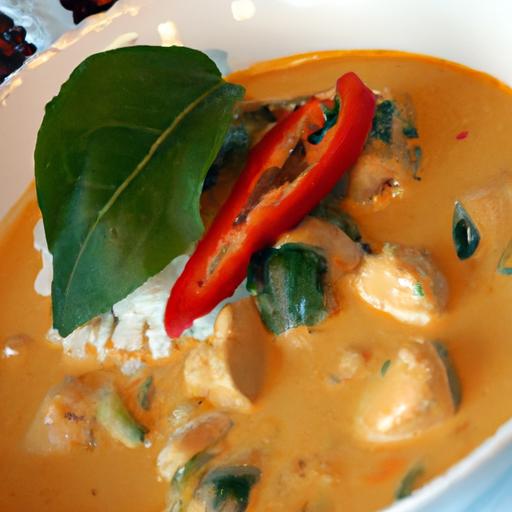
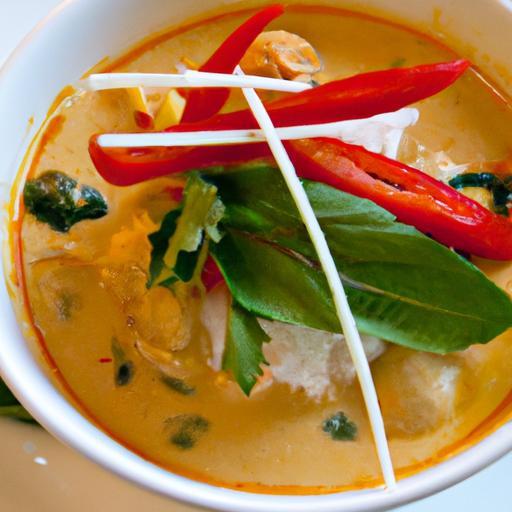
Prepare a classic red curry chicken or a vegetarian tofu curry with your homemade paste. Serve piping hot over jasmine rice with radiant green Thai basil leaves, thinly sliced red chilies, and a wedge of lime on the side. A sprinkle of toasted cashews or crushed peanuts adds textural contrast and extra richness.

| Nutrient | Per Tablespoon |
|---|---|
| Calories | 40 kcal |
| Protein | 1.2 g |
| Carbohydrates | 5 g |
| Fat | 1.5 g |
For an in-depth dive into Thai flavor profiles, explore the Serious Eats Thai Cuisine Flavor Guide, a respected resource for authentic techniques and ingredients.
Q&A
Q&A: Master the Art of Authentic red Thai Curry – A Flavorful Guide
Q1: What makes Red Thai Curry authentically thai?
A: Authentic Red Thai Curry is a vibrant fusion of fresh ingredients, aromatic spices, and traditional techniques. At its heart lies the red curry paste-a blend of dried red chilies, garlic, shallots, lemongrass, galangal, kaffir lime zest, coriander roots, and shrimp paste.This paste creates a balance of heat, sweetness, sourness, and earthiness that defines the curry’s unmistakable Thai identity.
Q2: Can I make red curry paste from scratch, or should I buy it?
A: While pre-made red curry paste is convenient, crafting it from scratch elevates your curry with freshness and control over flavor profiles. Using a mortar and pestle to grind the ingredients helps release their essential oils and aromas, resulting in a paste bursting with authentic depth and complexity. Plus, it’s a rewarding culinary ritual that connects you to traditional Thai cooking.
Q3: What proteins and vegetables work best in Red Thai Curry?
A: Traditionally, red curry is versatile-chicken, duck, or beef are popular choices, but tofu or shrimp also shine beautifully. Vegetables like Thai eggplants, bamboo shoots, bell peppers, and green beans add texture and color. The key is complementing the rich, spicy sauce with fresh, crisp ingredients that soak up the flavors without overpowering the dish.
Q4: How important is coconut milk in this curry?
A: Coconut milk is the soul of Red Thai Curry. It brings creaminess and a subtle sweetness that tames the fiery chili heat. Look for full-fat coconut milk for the richest flavor and silky texture. Adding it slowly and gently simmers the curry to a luscious consistency that coats every ingredient in deliciousness.
Q5: What tips ensure my Red Thai Curry has balanced flavors?
A: Balance is king! Taste as you go and adjust seasoning: add palm sugar for sweetness, fish sauce for umami and saltiness, and a squeeze of lime for that bright, tangy kick. Remember, authentic Thai cuisine harmonizes spicy, sweet, sour, and salty-finding that equilibrium is the secret to a truly memorable curry.
Q6: Can Red Thai Curry be made vegan or vegetarian?
A: Absolutely! Swap shrimp paste for fermented soybean paste or miso for that umami depth, and opt for tofu or vegetables as your protein. Use soy sauce in place of fish sauce. The magic of red curry lies in its bold flavors, which can be fully enjoyed in plant-based versions too.
Q7: How should I serve and enjoy Red Thai Curry?
A: Serve it steaming hot over fragrant jasmine rice-the perfect canvas for soaking up the curry’s luscious sauce. Garnish with fresh Thai basil and a few slices of red chili for visual pop and extra zest. Pair with a crisp cucumber salad or a cooling coconut dessert to round out the meal with contrasting textures and temperatures.
Q8: Any pro tips for beginners tackling Red Thai Curry?
A: Start with quality ingredients and don’t rush the paste-making process. Gradually build flavors and taste frequently. Keep your heat moderate at first; you can always add more chili later. And most importantly, have fun-cooking Thai cuisine is as much about joy as it is technique. With patience and passion, your Red Thai Curry will emerge vibrant, authentic, and unforgettable.
Wrapping Up
As you stir the final ingredients into your pot, remember that mastering authentic red Thai Curry is more than just following a recipe-it’s an invitation to embrace a rich tapestry of flavors, traditions, and vibrant culture. With each fragrant bite, you’re not only savoring a dish but also honoring the artistry and passion that define Thai cuisine. So sharpen your knives,gather your spices,and let your kitchen become a haven where authenticity and creativity blend seamlessly. Your journey to crafting the perfect Red Thai Curry has only just begun-may every spoonful transport you closer to the heart of Thailand’s culinary soul.