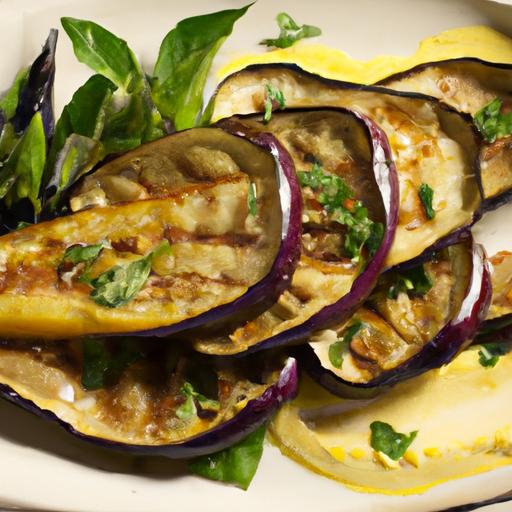

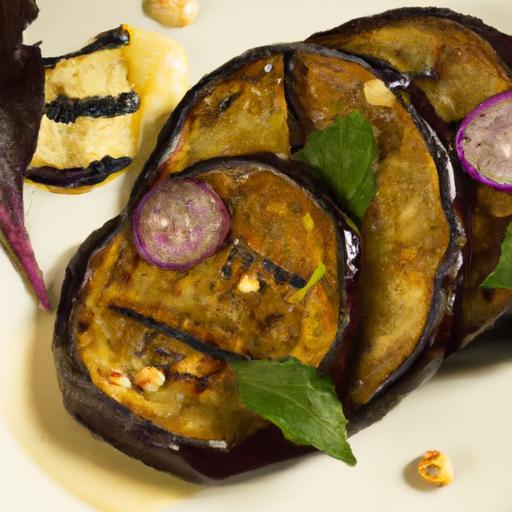
there’s a humble vegetable that, when transformed by the simple magic of roasting, unfolds into a symphony of smoky, rich, and velvety flavors-welcome to the world of roasted eggplant. Often overlooked or misunderstood, eggplant reveals its true culinary potential under the tender heat of the oven, turning from firm and mild to decadently soft and deeply aromatic. In this article, we’ll embark on a flavorful journey to unlock the art of roasting eggplant, exploring methods that bring out its best qualities and uncovering the surprising health benefits that come with every tender bite. Weather you’re a seasoned chef or a curious foodie, prepare to discover how roasting elevates eggplant from everyday ingredient to star of the plate.
Unlocking flavor in eggplant through roasting is a culinary revelation that transforms this humble vegetable into a smoky, tender delight. Originating from Mediterranean and Middle Eastern kitchens,roasting eggplant unlocks complex,sweet,and savory notes by gently coaxing out natural sugars while softening its spongy texture. As a culinary content creator and food stylist, I’ve seen firsthand how the magic of roasting elevates eggplant, turning it into a canvas for bold, vibrant dishes bursting with character and depth.
Prep and Cook Time
- Planning: 10 minutes
- Roasting: 35-40 minutes
- Total Time: 50 minutes
Yield
Serves 4 as a flavorful side or base for creative dishes
Difficulty Level
Easy – Perfect for beginners to pros looking to elevate simple ingredients
Ingredients
- 2 medium eggplants (about 1 to 1.5 lbs each), firm with glossy skin
- 3 tablespoons extra virgin olive oil
- 1 teaspoon sea salt
- Freshly ground black pepper, to taste
- 2 cloves garlic, minced (optional)
- 1 tablespoon fresh lemon juice (optional, for brightness)
- Fresh herbs such as parsley or basil, for garnish
Instructions
- Choose your eggplants carefully: Select firm, medium-sized eggplants with taut, shiny skin and minimal blemishes for the best roasting results. This ensures a tender and buttery texture once roasted.
- Preheat your oven to 425°F (220°C): A hot oven helps caramelize the eggplant’s sugars, creating that sought-after smoky flavor.
- Slice the eggplants: Cut into ½-inch thick rounds or lengthwise halves, depending on your final dish. Thicker slices hold a creamy interior,while thinner ones crisp beautifully at the edges.
- Brush with olive oil: Generously coat both sides with olive oil. This encourages even roasting and enhances flavor. Lightly sprinkle with sea salt and freshly ground pepper.
- Roast on a lined baking sheet: Arrange slices in a single layer, leaving space for air to circulate. Roast for 18-20 minutes, then flip and roast another 15-20 minutes untill tender and golden brown spots appear. The flesh should be soft and slightly collapsing but not mushy.
- Flavor infusion: For a flavor boost, toss the hot eggplant with minced garlic and fresh lemon juice immediatly after roasting, allowing the heat to gently meld the aromas.
- Rest briefly before serving: Let the eggplant cool slightly to deepen its flavor and develop additional smoky notes.
tips for Success: Unlocking Flavor with Perfect Roasted Eggplant
- Salting the eggplant: while optional,salting sliced eggplant and rinsing after 20 minutes helps reduce bitterness and excess moisture,producing a creamier texture.
- Use a wire rack: Roasting slices on a wire rack promotes even heat circulation and prevents sogginess.
- Don’t overcrowd the pan: Overstacking traps steam, which hinders caramelization and soft texture.
- Experiment with smoke: For an authentic smoky touch, briefly flame-grill or place under the broiler after roasting.
- Make ahead: Roasted eggplant stores well in the fridge for up to 3 days and intensifies in flavor when gently reheated.
Serving Suggestions to Elevate Your Dish
Roasted eggplant’s velvety texture and smoky undertones make it a versatile star. Serve it as:
- A base for Mediterranean roasted vegetable platters, paired with tahini or yogurt sauce and toasted pine nuts
- A topping on warm, crusty sourdough bread with a drizzle of chili-infused olive oil for an easy bruschetta
- The heart of a silky baba ganoush dip, where its smokiness shines
- Mixed into hearty grain bowls with quinoa, chickpeas, and fresh herbs for a nutrient-packed meal
- Layered into casseroles or lasagna for a plant-based twist
Garnish ideas: Sprinkle flaky sea salt, chopped mint or parsley, a hint of smoked paprika, and a final drizzle of lemony olive oil to brighten and contrast the richness.

Nutritional Facts
| Serving Size (per 100g) | Calories | protein | Carbs | Fat |
|---|---|---|---|---|
| Roasted Eggplant | 35 kcal | 0.8 g | 8 g | 2.5 g |
Q&A
Q&A: Unlocking Flavor – The art and Benefits of Roasted Eggplant
Q1: Why is roasting the best method to prepare eggplant?
A1: Roasting transforms eggplant’s naturally spongy texture into a luxuriously creamy and smoky delight. Unlike boiling or steaming, which can leave it soggy and bland, roasting caramelizes the sugars and deepens its flavor, unlocking layers of complexity that make every bite a savory experience.
Q2: What makes roasted eggplant so versatile in cooking?
A2: once roasted, eggplant becomes a perfect blank canvas.Its tender flesh absorbs spices, herbs, and oils beautifully, making it ideal for everything from dips like baba ganoush to hearty stews and even grilled sandwiches. Its smoky undertones add depth without overpowering other ingredients.
Q3: Are there health benefits unique to roasted eggplant?
A3: Absolutely! Roasting preserves eggplant’s antioxidants, such as nasunin found in the skin, which combats free radicals and supports brain health. It’s also rich in dietary fiber, helping digestion, and low in calories – making it a wholesome choice for those looking to eat well without compromising flavor.
Q4: Any tips for perfecting the roasting process?
A4: For golden, melt-in-your-mouth eggplant, slice it evenly and salt it beforehand to draw out moisture and reduce bitterness. Roast at a high temperature (around 400°F/200°C) until the exterior crisps up and the inside softens. Don’t be shy with olive oil - it enhances flavor and aids caramelization.
Q5: Can roasted eggplant be stored and reused?
A5: Definitely! Roasted eggplant keeps well in the fridge for up to 4 days and can be frozen for longer storage. It reheats beautifully, making it a convenient ingredient for quick weeknight dinners or to add smoky flair to salads and pasta dishes.
Q6: How does roasted eggplant fit into global cuisines?
A6: Roasted eggplant is a beloved staple worldwide. From Middle Eastern baba ganoush to Mediterranean moussaka and Indian baingan bharta,roasting imparts a smoky richness that ties diverse culinary traditions together,celebrating eggplant’s worldwide charm.
Q7: What’s the biggest misconception about eggplant roasting?
A7: Many assume it’s tough or time-consuming, but roasting eggplant is delightfully simple and hands-off. With minimal prep and a hot oven, anyone can coax out eggplant’s deepest flavors – proving that great taste doesn’t have to be complicated.
unlocking the art and benefits of roasted eggplant is a journey of flavor and nourishment. Once you master this humble technique, eggplant becomes not just an ingredient but a star in your kitchen repertoire.
Future Outlook
As we peel back the layers of the humble eggplant, roasting reveals its true potential-transforming its texture, deepening its flavor, and unlocking a symphony of smoky, sweet, and savory notes. Whether sprinkled with aromatic herbs or blended into velvety dips, roasted eggplant elevates dishes with both simplicity and sophistication. Beyond its culinary charm, embracing this art unlocks a world of nutritional benefits, from antioxidants to fiber, making it a delicious ally on the path to wholesome eating.So next time you seek to invigorate your kitchen repertoire, remember: the magic lies in the roast, where eggplant’s full character truly shines.