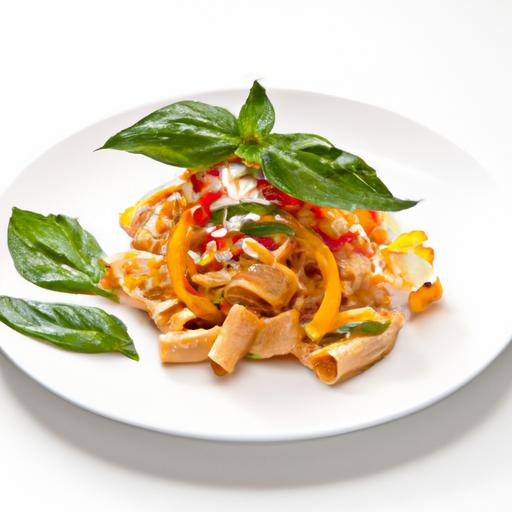

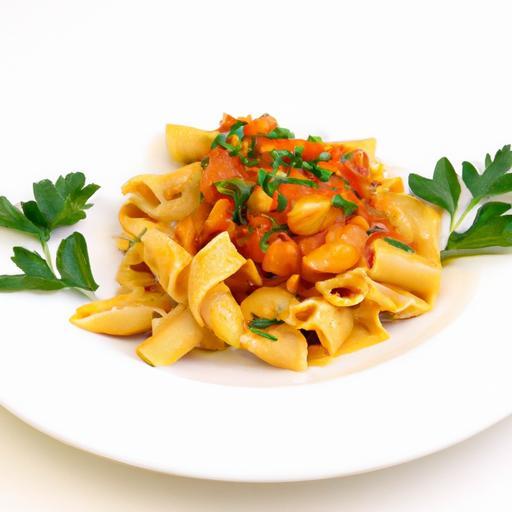
in a world where flavor often takes center stage, the humble whole grain pasta is quietly redefining what it means to enjoy a truly satisfying meal. Imagine twirling strands that not only delight your palate wiht their nutty, earthy notes but also nourish your body with a rich tapestry of fiber, vitamins, and minerals.Unlocking the power of whole grain pasta means embracing a culinary experience where taste meets health in perfect harmony-transforming your everyday plate into a festivity of well-being without compromising on flavor.Join us as we explore how this wholesome twist on a classic favorite is reshaping the way we think about food, one bite at a time.
Unlocking the Power of Whole Grain Pasta is a celebration of vibrant flavors and hearty textures that transform a simple meal into a wholesome experience.Whole grain pasta, with its nutty aroma and satisfying bite, offers not just a healthier alternative but an possibility to elevate everyday dishes. Whether your drawn to its nutritional benefits or its rustic charm, mastering this ingredient opens doors to a multitude of appetizing creations that don’t compromise on taste or texture.
Prep and Cook Time
Readiness: 10 minutes
Cooking: 12-14 minutes
Total Time: 22-24 minutes
yield
Serves 4 generously
Difficulty Level
Easy
Ingredients
- 12 oz whole grain pasta (penne, fusilli, or spaghetti)
- 2 tbsp extra virgin olive oil
- 3 cloves garlic, minced
- 1 cup cherry tomatoes, halved
- 1 medium zucchini, diced
- 1 cup baby spinach, loosely packed
- 1/4 cup toasted pine nuts
- 1/3 cup freshly grated Parmesan cheese
- Salt and freshly cracked black pepper, to taste
- 1 tsp crushed red pepper flakes (optional)
- Fresh basil leaves for garnish
Instructions
- Bring a large pot of salted water to a rolling boil. Add the whole grain pasta and cook according to package instructions, typically 12-14 minutes, until al dente. Stir occasionally to prevent sticking.
- While pasta cooks, heat olive oil over medium heat in a large skillet. Add minced garlic and sauté until fragrant, about 1 minute, stirring constantly to avoid burning.
- Add cherry tomatoes and diced zucchini to the skillet. Cook for 5-6 minutes until the tomatoes soften and zucchini becomes tender, stirring occasionally.
- Drain pasta once cooked, reserving 1/2 cup pasta water. Add pasta to the skillet with vegetables.
- Toss everything together, adding reserved pasta water a little at a time to loosen the sauce and help it cling to the whole grain pasta’s hearty texture.
- Fold in baby spinach and toasted pine nuts, cooking for another minute until spinach wilts slightly.
- Season with salt, black pepper, and crushed red pepper flakes, adjusting heat and brightness to your taste.
- Remove from heat and sprinkle generously with parmesan cheese. Toss gently to combine.
- Serve promptly, garnished with fresh basil leaves for a burst of color and aroma.
Tips for Success
- For an even nuttier flavor, choose whole grain pasta made from einkorn or spelt. These ancient grains add depth and unique texture.
- Don’t overcook the pasta; whole grain varieties take a little longer but maintain the best bite when al dente.
- Save some pasta water-it’s a natural binder that enriches your sauce without extra fat.
- Try swapping zucchini for roasted butternut squash or sautéed mushrooms for seasonal variety.
- This dish can be made ahead: keep the pasta and veggies separate, then combine and warm gently with a splash of pasta water before serving.
Serving Suggestions
Plate your vibrant whole grain pasta alongside a crisp mixed green salad dressed with lemon vinaigrette for refreshing contrast. A side of crusty whole wheat bread enhances the rustic theme perfectly. Garnish with extra toasted pine nuts and freshly cracked pepper for visual appeal and an added crunch. For a protein boost, serve with grilled chicken or pan-seared salmon.
| Nutrient | Per Serving |
|---|---|
| Calories | 380 kcal |
| Protein | 14 g |
| Carbohydrates | 62 g |
| Fat | 8 g |

Exploring the depths of whole grain pasta unlocks a world where nutrition and indulgence meet harmoniously. For more inspiration on balanced flavors, check out our article on Healthy Plant-Based pasta Recipes. to learn more about the benefits of whole grains, visit the Whole Grains Council, a trusted authority on whole grain nutrition.
Q&A
Q&A: Unlocking the Power of Whole Grain Pasta – where Taste Meets Health
Q1: What makes whole grain pasta different from regular pasta?
A1: Whole grain pasta is crafted from whole wheat kernels that include the bran, germ, and endosperm, unlike refined pasta which uses only the endosperm. This means whole grain pasta retains all the natural fiber, nutrients, and antioxidants, offering a richer taste and a nutritional boost.
Q2: Does whole grain pasta really taste better?
A2: Absolutely! While it has a nuttier, earthier flavor compared to customary pasta, many find whole grain pasta more satisfying and complex. Its robust taste pairs beautifully with hearty sauces, fresh herbs, and vibrant vegetables, turning every meal into a gourmet experience.
Q3: How does whole grain pasta benefit our health?
A3: Whole grain pasta supports heart health, aids digestion, and helps regulate blood sugar due to its high fiber content. It also provides essential vitamins like B vitamins and minerals such as iron and magnesium, making it a smart choice for sustained energy and overall wellness.
Q4: Can whole grain pasta help with weight management?
A4: Yes! The fiber in whole grain pasta promotes fullness and steadier blood sugar levels, helping to curb overeating and manage appetite. It’s a delicious way to feel satisfied without the extra calories often found in refined foods.
Q5: How do I cook whole grain pasta for the best taste and texture?
A5: Cook whole grain pasta just like regular pasta but keep an eye on it-it tends to be slightly firmer and nuttier when al dente.Try adding a pinch of salt to the boiling water and don’t overcook; a firm bite enhances its natural flavor and texture.
Q6: Is whole grain pasta suitable for gluten-free diets?
A6: Traditional whole grain pasta contains gluten since it’s made from wheat. However, there are whole grain options made from gluten-free grains like brown rice, quinoa, or buckwheat for those with gluten sensitivities or celiac disease.
Q7: How can I incorporate whole grain pasta into my daily meals creatively?
A7: Think beyond spaghetti! Use whole grain pasta in salads, stir-fries, or baked casseroles. Mix it with colorful veggies, drizzle with olive oil and lemon, or combine it with lean proteins and fresh herbs to keep your meals fresh, exciting, and nutritious.
Unlock the hidden potential of whole grain pasta-where every bite nourishes the body and delights the palate. It’s more than just a meal, it’s a celebration of flavor and wellness woven together on your plate.
Key Takeaways
As the humble wheat kernel transforms into a vibrant plate of whole grain pasta, it carries with it a promise-one where flavor and nourishment walk hand in hand. Embracing whole grain pasta is more than a culinary choice; it’s an invitation to savor the rich textures and earthy notes while fueling your body with wholesome goodness. So next time you reach for that box on the shelf, remember: unlocking the power of whole grain pasta means you’re indulging in a delicious blend of taste and health, proving that good eating doesn’t have to come at a compromise. Let every forkful be a celebration of wellness, one grain at a time.